Meaning
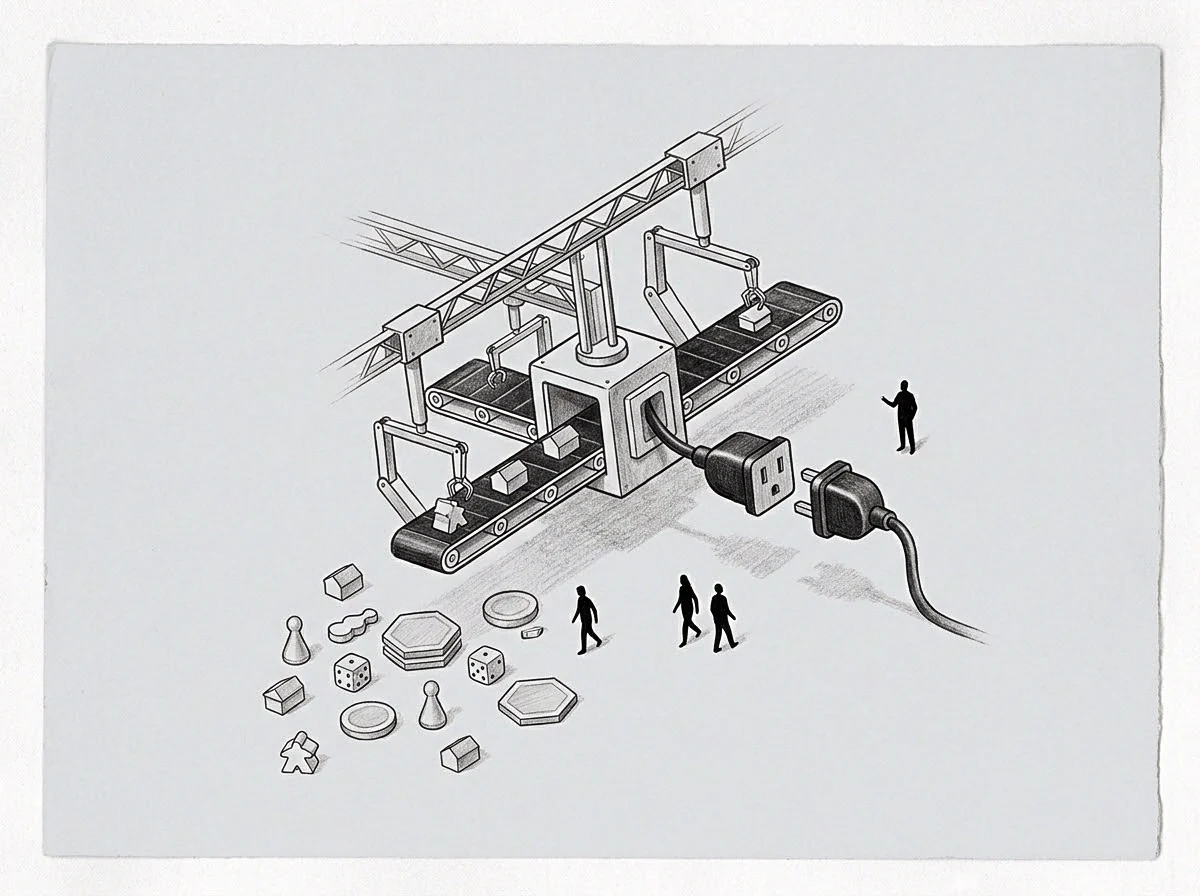
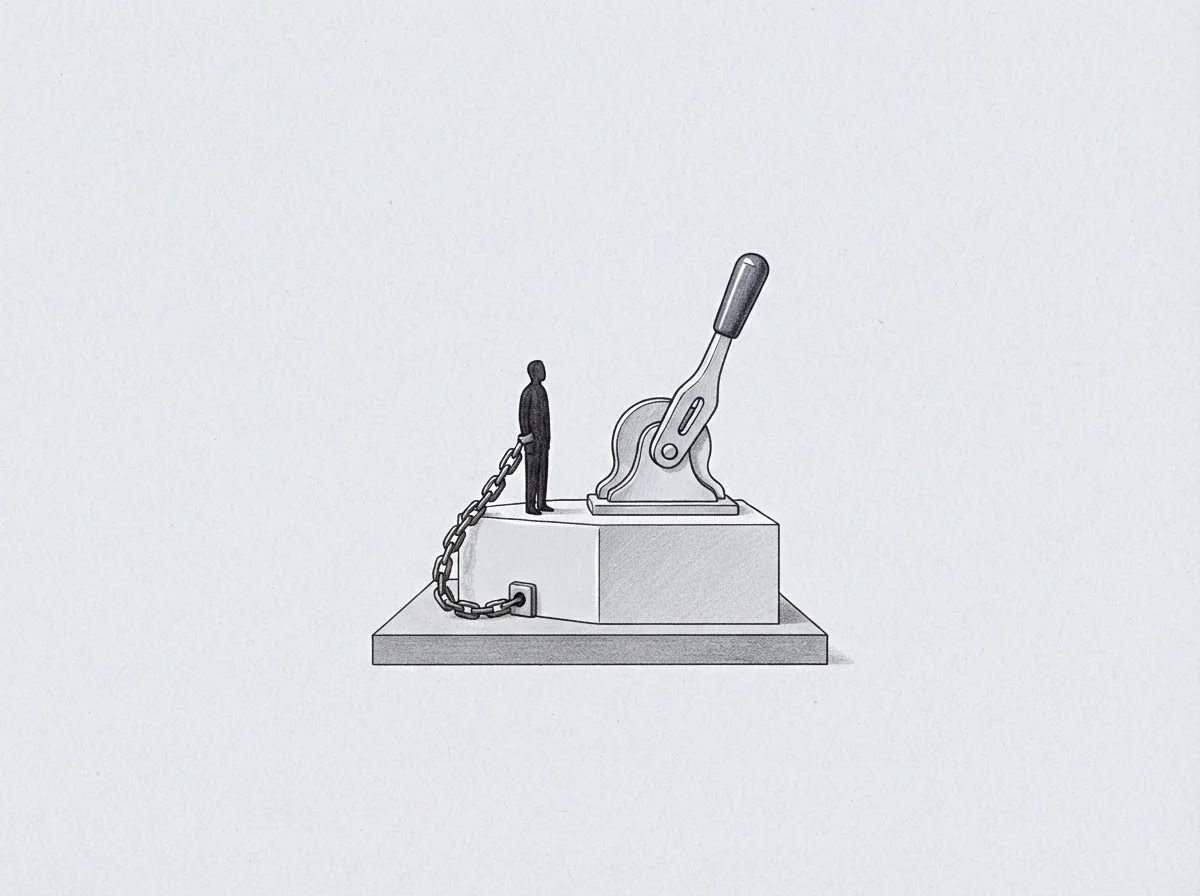
Gradual erosion of a key performance indicator occurs when the initial data collection method loses synchronization with the actual operations of an entity. Metric decay represents the shift between the recorded output and the reality of the underlying system as time passes. Constant variables or static thresholds fail to account for drift in environmental conditions or changes in product usage.
Signal Drift
Statistical variances emerge because the baseline set during the founding period becomes obsolete as the firm scales. Each measurement cycle requires a recalibration against current operational inputs to maintain data integrity. Reliance on outdated benchmarks produces skewed projections and faulty internal reporting.
Operational Loop
Founders identify these discrepancies by comparing raw data against verifiable ground truths periodically. Feedback requires constant updates to the collection logic rather than a static interpretation of historical patterns. Manual audits of the data pipeline expose the specific point where the reported figures diverge from the physical volume of work performed.
Integrity Maintenance
Systematic monitoring of the collection architecture prevents the accumulation of phantom data points that distort decision processes. Regular adjustments to the tracking model ensure that the information reflects the present state of the organization rather than its early history. Any measurement system that remains unrevised beyond its original deployment date creates a widening gap between the reported numbers and the functional reality of the business.