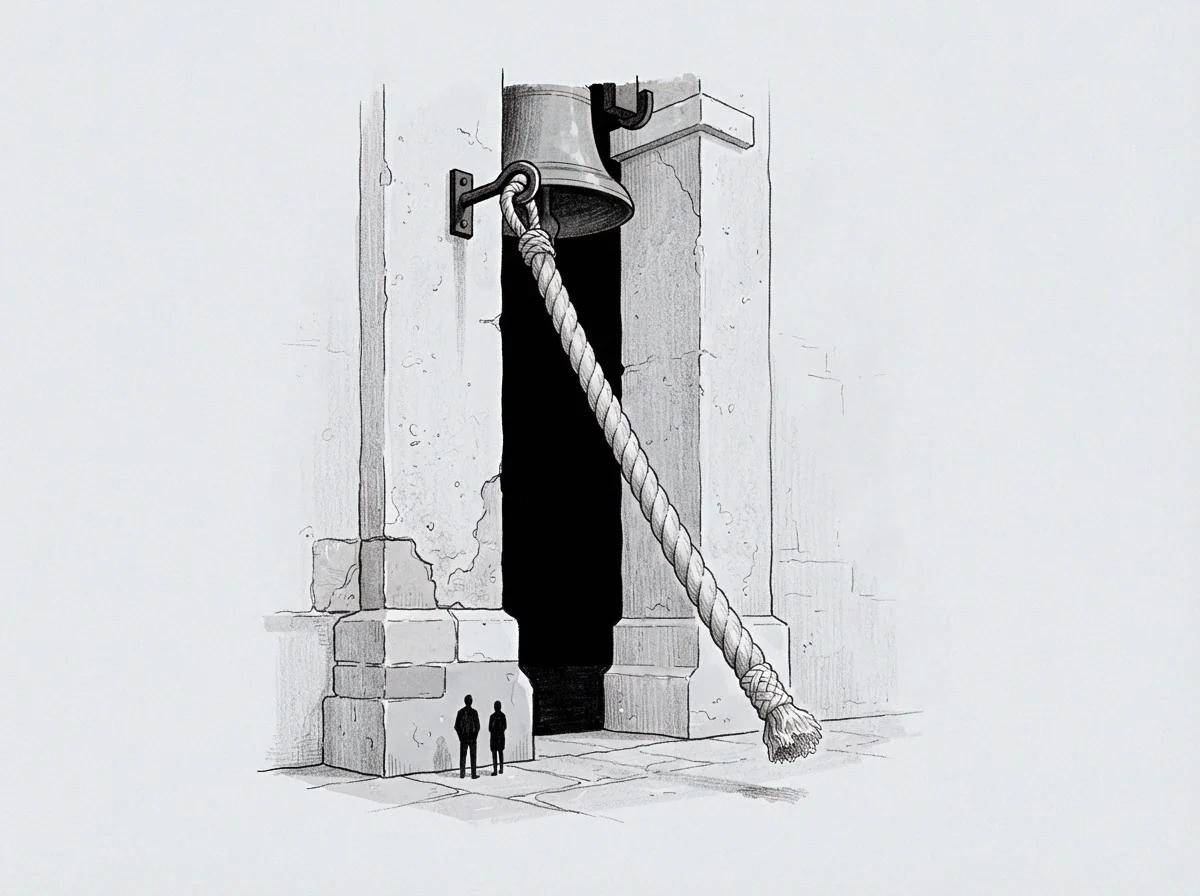
Meaning
Projections of performance over an extended future time frame are limited by the precision of strategic foresight. Establishing an observational horizon prevents founders from relying on highly speculative long-term forecasts. This limit fluctuates based on market stability and the volume of historical data available to the organization.
Temporal Boundary
The time frame shifts closer during periods of high market volatility and extends during stable regimes. Within this boundary, plans remain actionable and data-driven rather than hypothetical. Beyond this point, the signal-to-noise ratio becomes too low to support strategic commitments.
Predictive Decay
Accuracy declines rapidly as the analysis moves further from the present moment. Mathematical models lose their utility when variables compound over extended timelines. This decline requires founders to shorten their planning cycles to match the actual visibility of their operating environment.
Information Limit
Data collection beyond the visible horizon yields diminishing returns and consumes valuable cognitive attention. An observational horizon helps a firm allocate its analytical resources to immediately verifiable trends. Focusing on this actionable zone prevents wasted effort on long-range scenarios that rarely materialize.
The limitation forces an organization to adopt agile planning cycles that respond to immediate feedback. This practice minimizes the risk of executing on obsolete assumptions.