Meaning
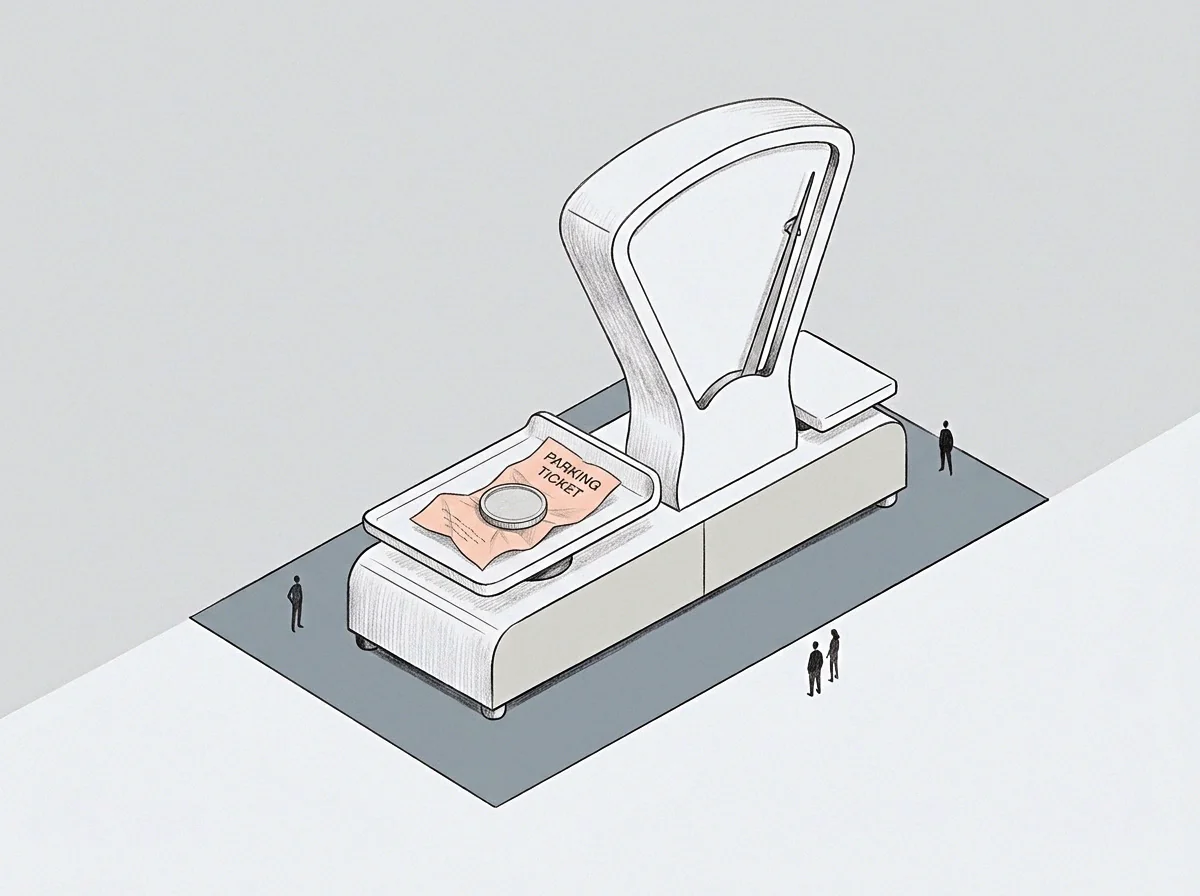
Dynamic operational environments generate an irreducible baseline of friction that resists elimination through procedural optimization. Within early-stage enterprise monitoring, a variance floor represents the natural operational noise that cannot be eliminated through optimization without incurring prohibitive expenditure or stifling functional adaptability. The metric separates normal background fluctuation from actionable operational deviance.
It stops holding when the underlying process is completely automated or stripped of human intervention.
Noise Baseline
Natural systems exhibit intrinsic variability that resists total managerial control. Recognizing a variance floor prevents executives from overreacting to daily fluctuations in customer acquisition costs or delivery schedules. The baseline establishes that a certain band of oscillation is the natural signature of a functioning operational ecosystem rather than a symptom of failure.
This understanding prevents disruptive micro-interventions that destabilize operating teams.
Fluctuation Boundary
Setting realistic dispersion boundaries establishes the division between ordinary operational friction and genuine operational failure. In software delivery or customer support workflows, the variance floor defines the expected fluctuation in resolution times, acknowledging that human complexity and irregular request arrivals preclude mechanical uniformity. Demanding zero variance in such environments produces administrative paralysis, as workers spend excessive energy documenting trivial variations rather than resolving real issues.
By accepting the variance floor, an organization focuses its analytical attention on systemic anomalies that breach the tolerance band, preserving managerial bandwidth for meaningful strategic corrections.
Suppression Hazard
Attempting to suppress variability below its natural physical baseline introduces severe systemic fragility. When management insists on eliminating the variance floor, teams often manipulate reporting systems or abandon high-variance experiments that are necessary for long-term growth. The concept demonstrates that healthy operating environments must tolerate baseline turbulence to remain resilient.