Meaning
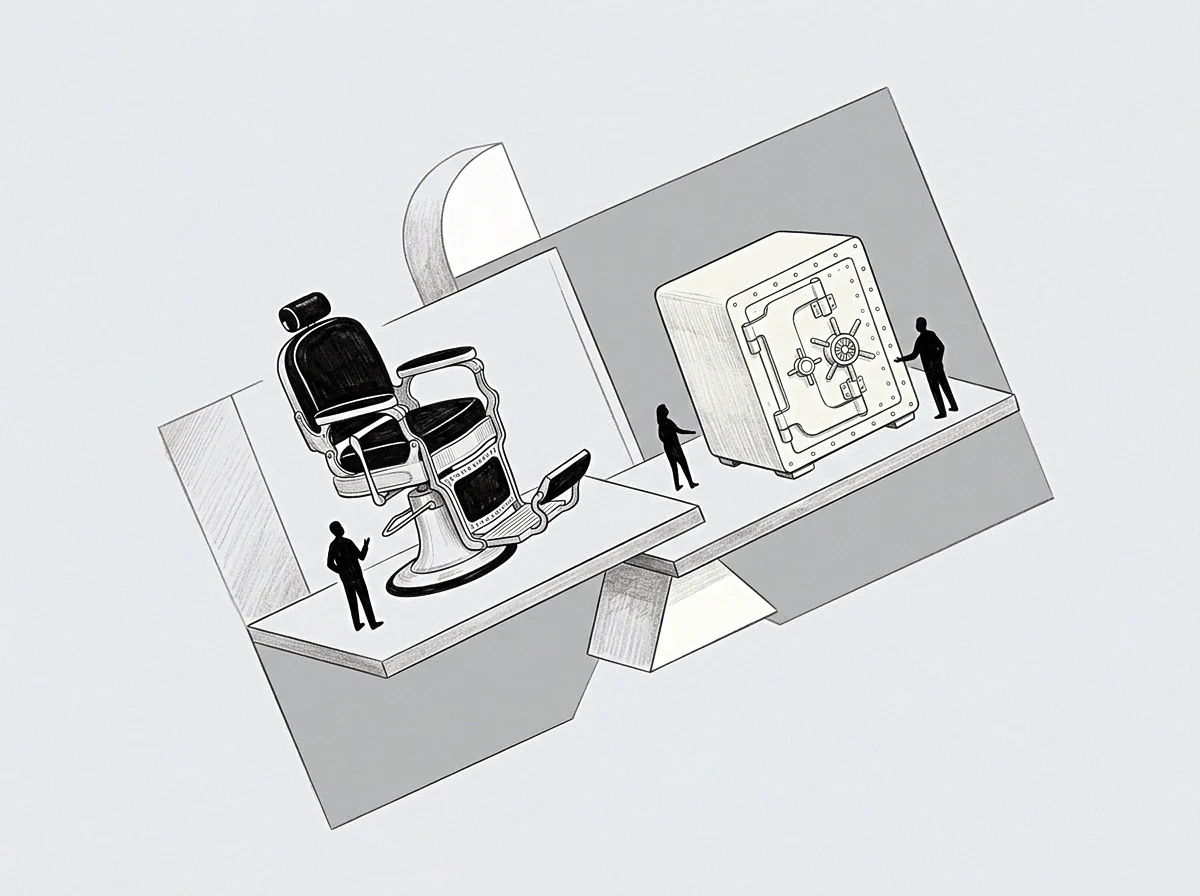
Rate of activity measured against the cessation of new inputs describes the mechanical persistence of a workflow. When a venture stops adding new resources, operational momentum indicates how long the existing processes will continue to produce results. It quantifies the kinetic energy stored within the organization’s habits and automated systems.
This metric applies to production lines, sales funnels and software development cycles.
Mechanical Persistence
Workflows continue to function based on the strength of their initial design. Operational momentum remains high when the systems require little manual intervention to maintain their output. Processes with high persistence are less likely to fail during periods of executive absence.
Internal Friction
Drag occurs when communication or technical debt slows down the rate of work. While operational momentum pushes a project forward, friction acts as the opposing force that eventually stops it. Reducing friction allows a venture to maintain its speed with less energy expenditure.
Sustained Output
Consistency in delivery is the final proof of a functional system. If operational momentum stays high, the venture can weather temporary gaps in funding or leadership. A stable rate of output provides the predictability needed for long-term planning.
Momentum is the primary indicator of a system’s maturity and its ability to function without constant founder intervention.