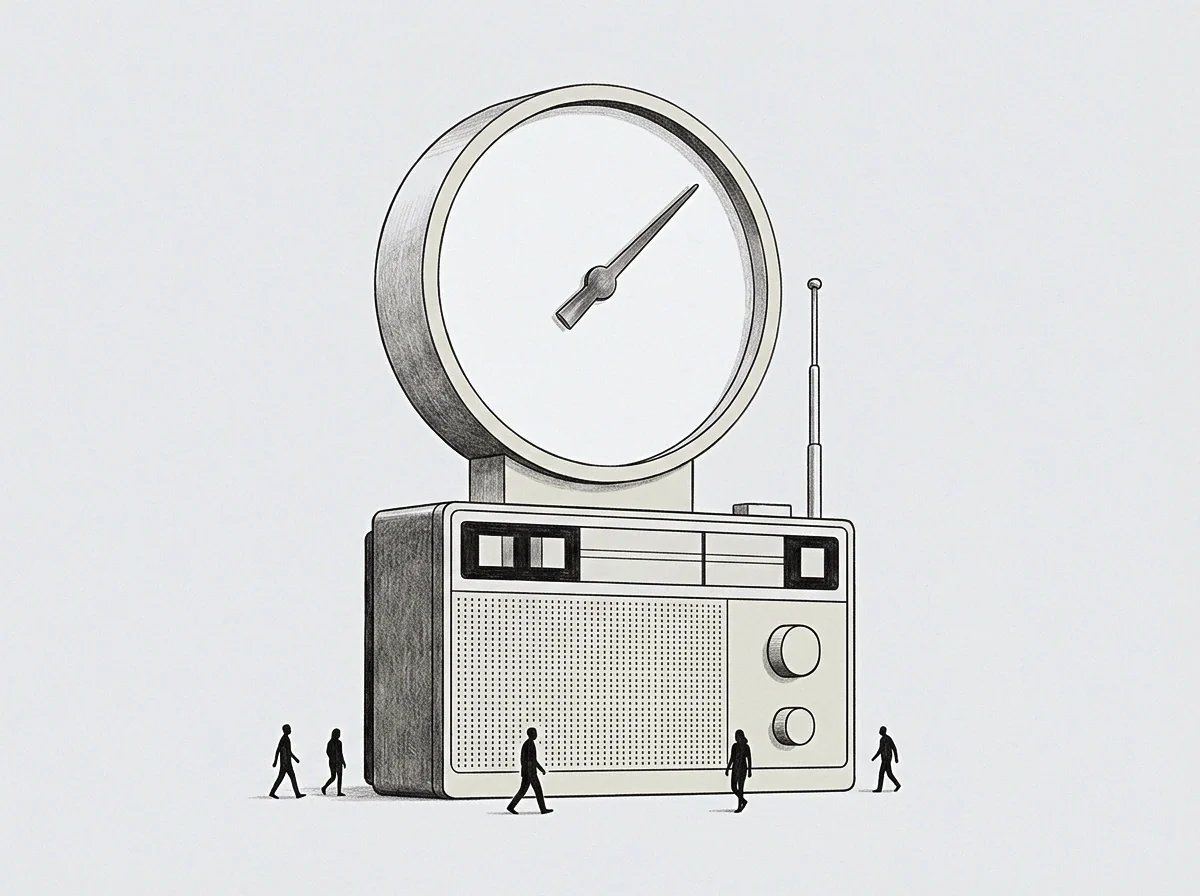
Meaning
State of an organization where all internal processes are functioning but no net value is being generated beyond what is required for maintenance. Identifying the operational zero point provides a clear boundary between survival and growth. This condition occurs when the energy and resources consumed by the system exactly match the output produced.
It represents the minimum level of activity required to avoid decay or failure.
Equilibrium State
Balanced condition where inputs and outputs cancel each other out marks the neutral position of a business entity. At the operational zero point, the system is neither gaining nor losing momentum. This lack of acceleration indicates that the current configuration is just sufficient for the present scale of operations.
Movement away from this point in either direction signals a change in the viability of the project over the long term.
Resource Consumption
Volume of capital and human attention required to sustain the baseline prevents those resources from being used for expansion. Reaching the operational zero point often requires extensive optimization to reduce waste. If the cost of maintenance exceeds the output, the system enters a deficit.
Managing this consumption is the primary task of the early stage operator.
Output Threshold
Level of production necessary to clear the costs of existence defines the goal of the initial phase of development. Once the entity surpasses the operational zero point, it begins to accumulate the surplus required for reinvestment. It validates the basic efficiency of the model.