Meaning
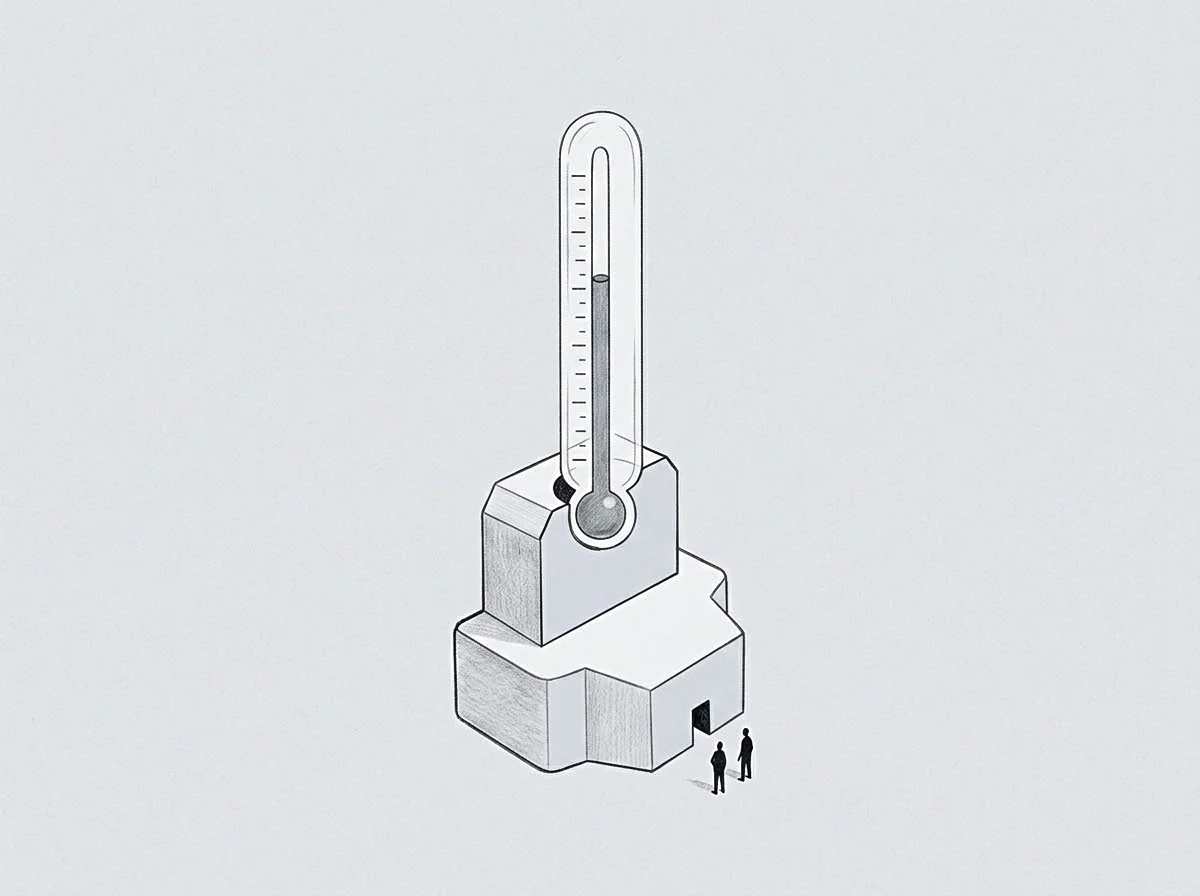
Accumulated workflow friction counts as procedural debt when organizational routines diverge from operational reality over time. This metric operates on an ordinal scale, ranking administrative drag from nominal friction to total process failure. The quantity measures the accumulation of redundant validation loops, legacy approval gates, and obsolete exception handlers.
Procedural debt sits upstream of financial burn, draining attention hours and engineering capacity before capital depletes. The boundary of this concept stops at deliberate governance design, excluding intentional bureaucracy created for regulatory compliance.
Execution Drag
Administrative overhead increases monotonically as organizations scale past early operational milestones. Founders observe this friction when standard operating procedures require five review layers for decisions that previously demanded zero friction. Attention hours spent navigating internal protocols subtract directly from product delivery capacity.
This lag compounds quietly until teams spend more time documenting work than executing the underlying strategy.
Protocol Erosion
Operational rituals degrade when teams inherit validation steps without knowing the original context or threat model. Engineers route around broken review gates by creating shadow workflows that bypass official approval channels entirely. This divergence widens the gap between documented policy and actual daily practice.
Systemic drift accelerates when leadership adds new compliance layers without retiring obsolete routines.
Friction Balance
Every administrative control introduces measurable drag in exchange for risk mitigation. Calibration requires comparing the cost of procedural errors against the attention hours consumed by prevention mechanisms. Optimal throughput occurs when protocol density matches current scale rather than historical ambition.
Unchecked procedural debt terminates when internal governance consumes the entirety of available operational capacity.