Meaning
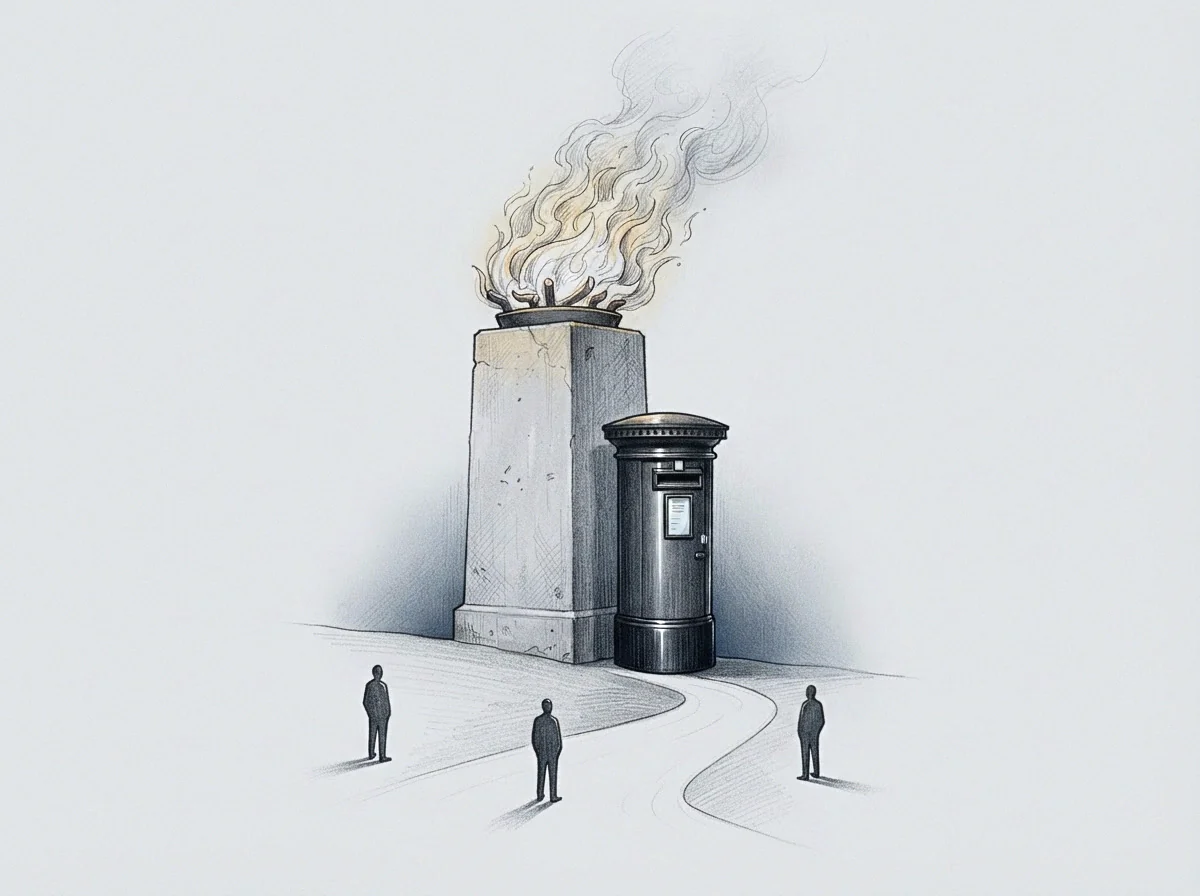
Defined limits establish the start and end points of a specific sequence of actions to isolate its costs and outputs from the wider organization. Establishing a process boundary allows for an accurate calculation of efficiency without the contamination of external variables or overhead from unrelated departments. These edges define what is inside the scope of a measurement and what belongs to the surrounding environment.
Clear definitions at the perimeter prevent the double counting of resources or the omission of major expenses. Mapping these lines ensures that every dollar of investment is attributed to the correct activity.
Scope Isolation
Isolation is the primary goal of setting a firm perimeter around a set of tasks or a department. By drawing a process boundary, a manager can treat a specific operation as a black box with its own unique set of inputs and results. This simplifies the complexity of a large company by breaking it down into smaller units that can be optimized individually.
Each unit then contributes to the overall success without hiding its true cost.
Edge Condition
Conditions at the edge of a defined system often involve the transfer of materials or information from one team to another. A process boundary must clearly state who owns the results at the point of handover to avoid gaps in accountability.
Transfer Point
Points of transfer are the locations where one process ends and the next begins according to the established map. Within a process boundary, every action is accounted for until the final product crosses the line into the next stage of the value chain. Tracking the time and quality at these points provides a check on the health of the entire sequence.