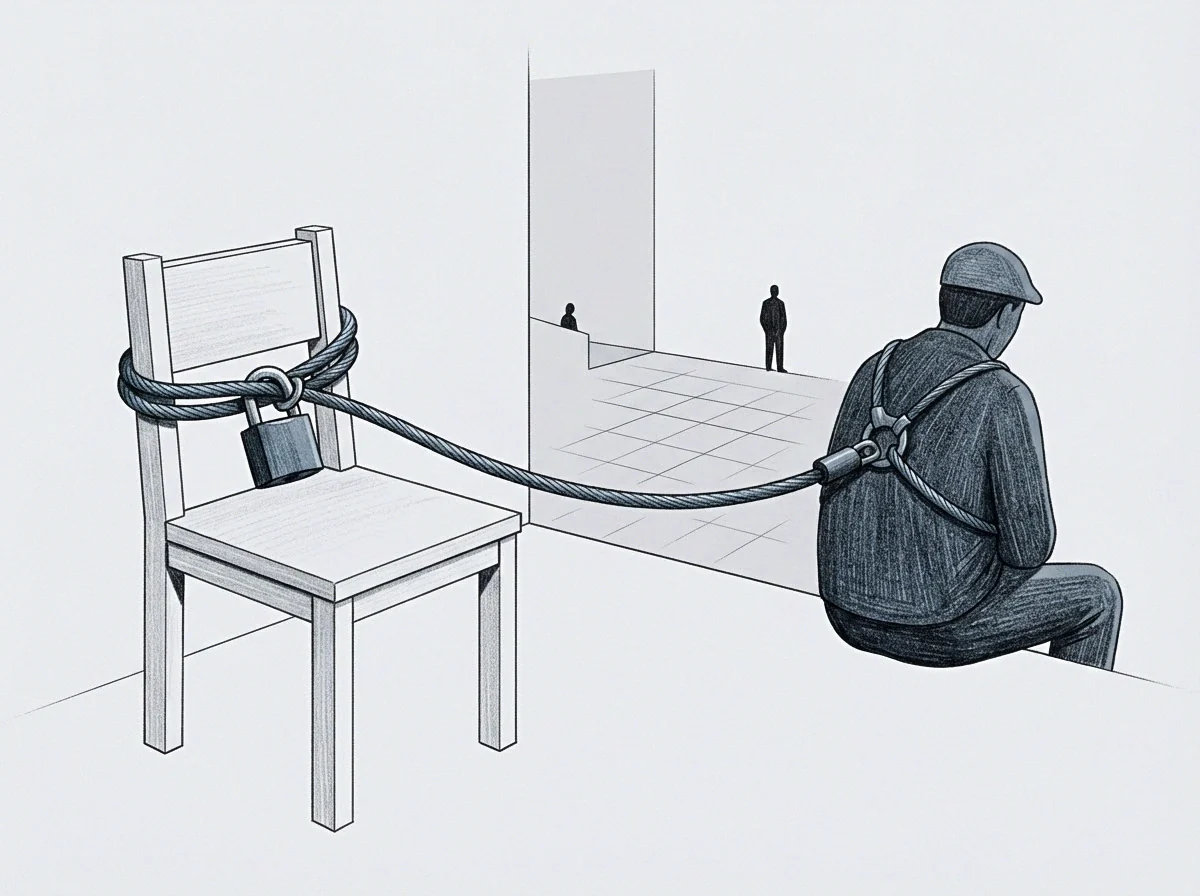
Meaning
Temporal gaps occur between the recognition of a need and the final acquisition of a good or service. In corporate environments, procurement delay accounts for the time spent on vendor sourcing, contract negotiation, logistical planning, and security vetting. This measurement is critical for project managers who must schedule resources months in advance.
It represents the administrative distance between the market and the internal user.
Logistical Sequence
Purchasing begins with a request for proposal and ends with the delivery of the asset. Each step in the procurement delay adds a layer of safety regarding the quality and price of the item. However, these steps also prevent the organization from reacting to immediate shortages.
Planning for this lag is a core requirement of operational management.
Contractual Friction
Negotiations over liability and payment terms often extend the timeline. Procurement delay is often longer when dealing with government entities or large multinational corporations. Standardizing contracts can reduce the gap but might increase the risk of unfavorable terms.
The trade off is between speed and protection.
Supply Chain Factor
External variables like shipping times or raw material shortages contribute to the total wait. While the administrative part of procurement delay is internal, the physical part is market dependent. Both must be calculated to find the true lead time.