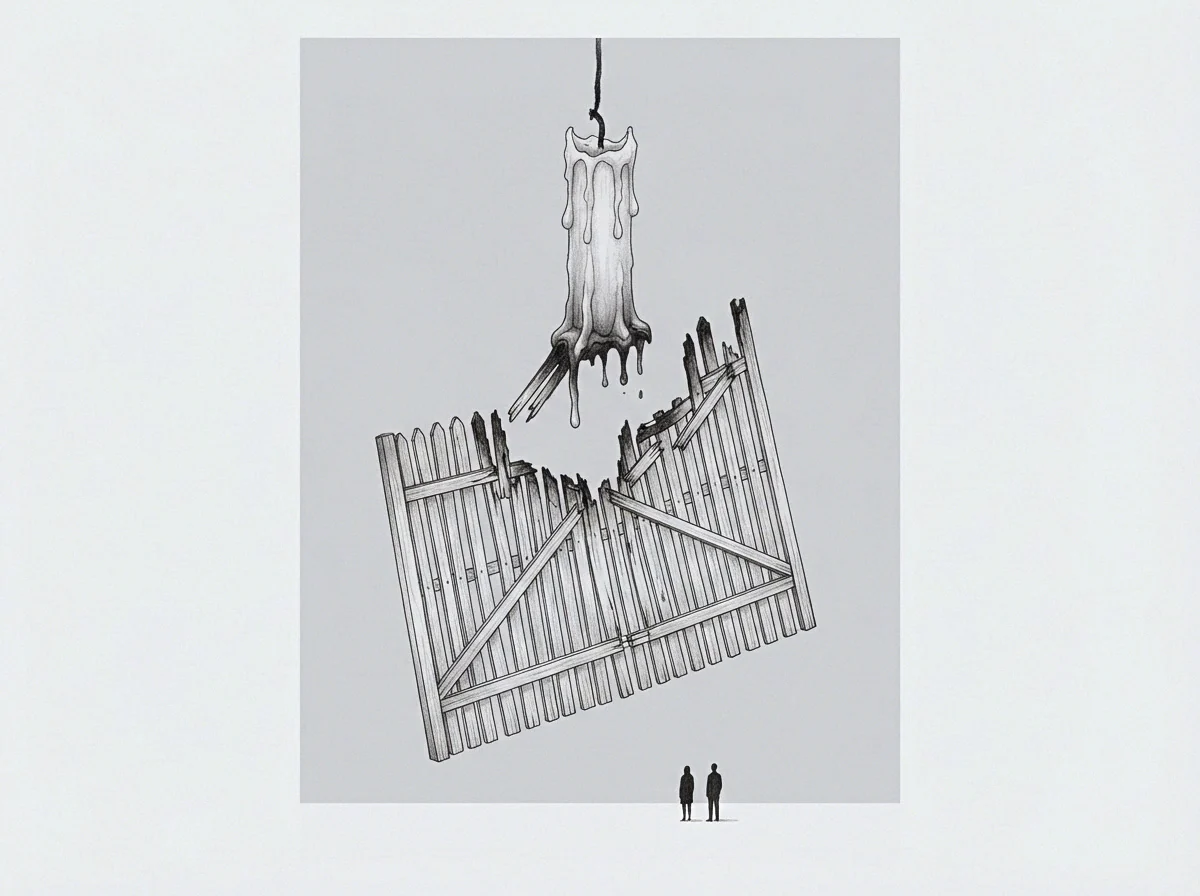
Meaning
Resource movement describes the migration of capital, attention, or personnel from one internal project to another based on emerging evidence of potential. Reallocation functions as a cardinal metric within an organization to align capacity with shifting operational demands. This mechanism requires a rigorous assessment of current utility against projected output to justify moving assets across functional boundaries.
Managers use the procedure to suppress underperforming lines of inquiry while feeding momentum to segments that demonstrate immediate growth. The practice ceases when resources reach the minimum viable threshold required to sustain baseline operations without further dilution of core capacity.
Resource Alignment
The internal movement of value acts as a buffer against institutional inertia that keeps founders committed to dying ideas. Reallocation corrects the drift toward sunk cost bias by forcing a fresh calculation of marginal utility for every dollar or hour spent. If a division fails to meet the expected output gradient, the system automatically redirects its budget to areas showing a higher rate of return.
Such transfers provide a clean signal to stakeholders that the organization prioritizes viability over historical legacy. Efficiency gains arrive when the frequency of these shifts matches the volatility of the external market environment.
Capital Calibration
Determining the optimal moment for movement relies on the difference between expected progress and observed reality. Reallocation produces a clear binary decision regarding the termination or acceleration of specific project streams. Founders calculate the delta between the current cost of maintenance and the potential cost of abandoning a failing path.
High velocity in these decisions reduces the total energy waste across the organization over the fiscal cycle. Sharp shifts prevent the stagnation that occurs when entities hoard assets in low-growth domains, ensuring that every unit of capacity works toward the most viable end.
Operational Constraints
Strict limits exist on how often such changes occur before the underlying structure of a firm loses its stability. Reallocation involves a period of transition where productivity drops as individuals or capital move between zones of work. Constant shifting introduces noise into the performance record that masks the true signal of team efficacy.
Successful leaders calibrate the timing to ensure that a project receives enough support to prove its worth before deciding to divest. Prudent movement is the primary determinant of long-term survival in a competitive landscape where capital remains finite.