Meaning
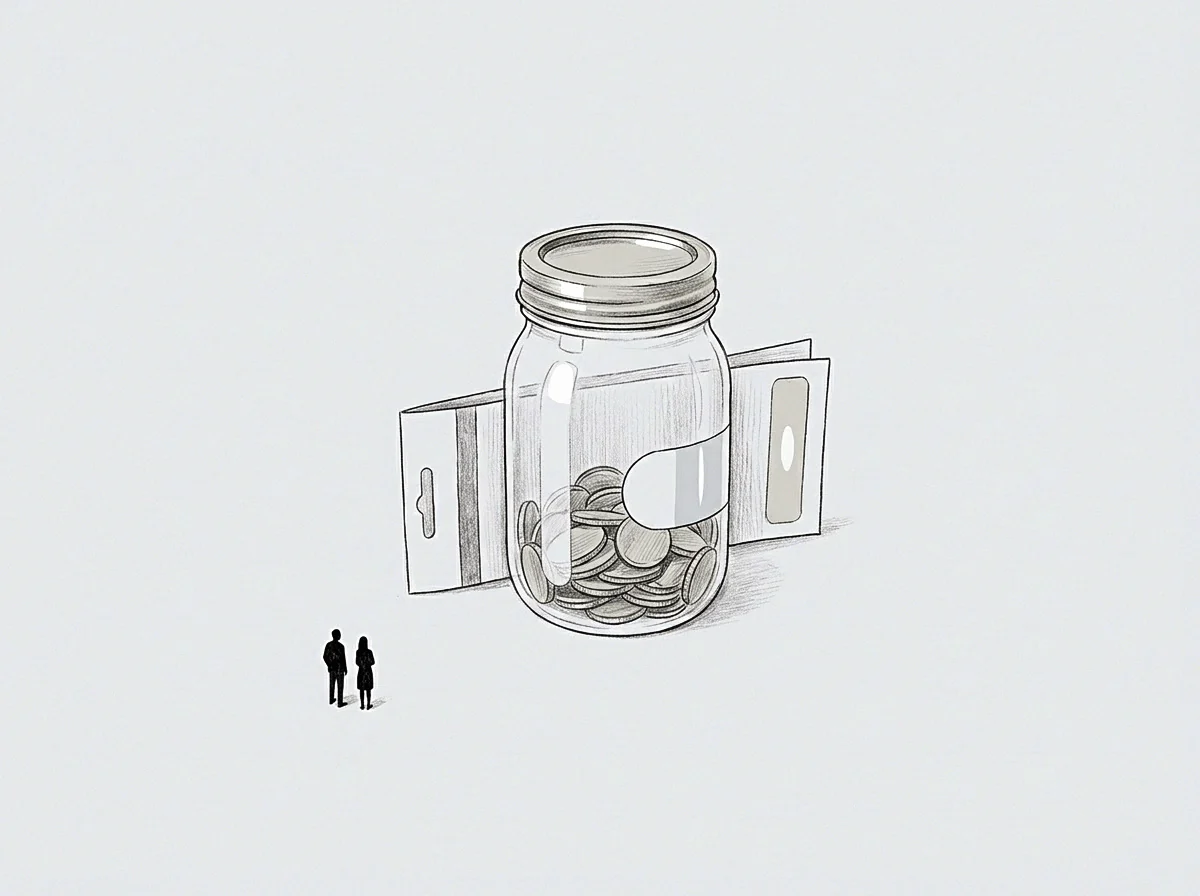
Constant percentage difference between revenue and cost of goods sold across different production volumes indicates a highly stable operating structure. The static margin describes a scenario where unit economics do not improve with scale, meaning that fixed costs are negligible and variable costs dominate. This lack of operating leverage means that the company cannot increase its profitability simply by producing more units.
It requires price increases or direct cost reductions to improve profitability.
Operating Leverage
Cost structures that lack scale economies present unique challenges for businesses attempting to expand. When a firm has a static margin, its profit as a percentage of revenue remains unchanged regardless of sales volume. It limits the financial benefits of scaling.
Price Sensitivity
Strategic pricing becomes the primary mechanism for increasing profitability when unit costs are locked in. In a static margin environment, any decrease in selling price directly reduces net profit because costs do not decrease with higher volume. Managers must therefore maintain strict price discipline to avoid eroding their financial returns.
This protects the bottom line from competitive price wars.
Cost Control
Operational efficiency depends on the continuous monitoring of direct materials and labor costs. Because a static margin prevents margin expansion through volume growth, the organization must focus on reducing the unit cost of production. Neglecting these direct costs can quickly lead to unprofitable operations if raw material prices rise.
This focuses attention on supply chain optimization. This scrutiny ensures the ongoing viability of the product.