Meaning
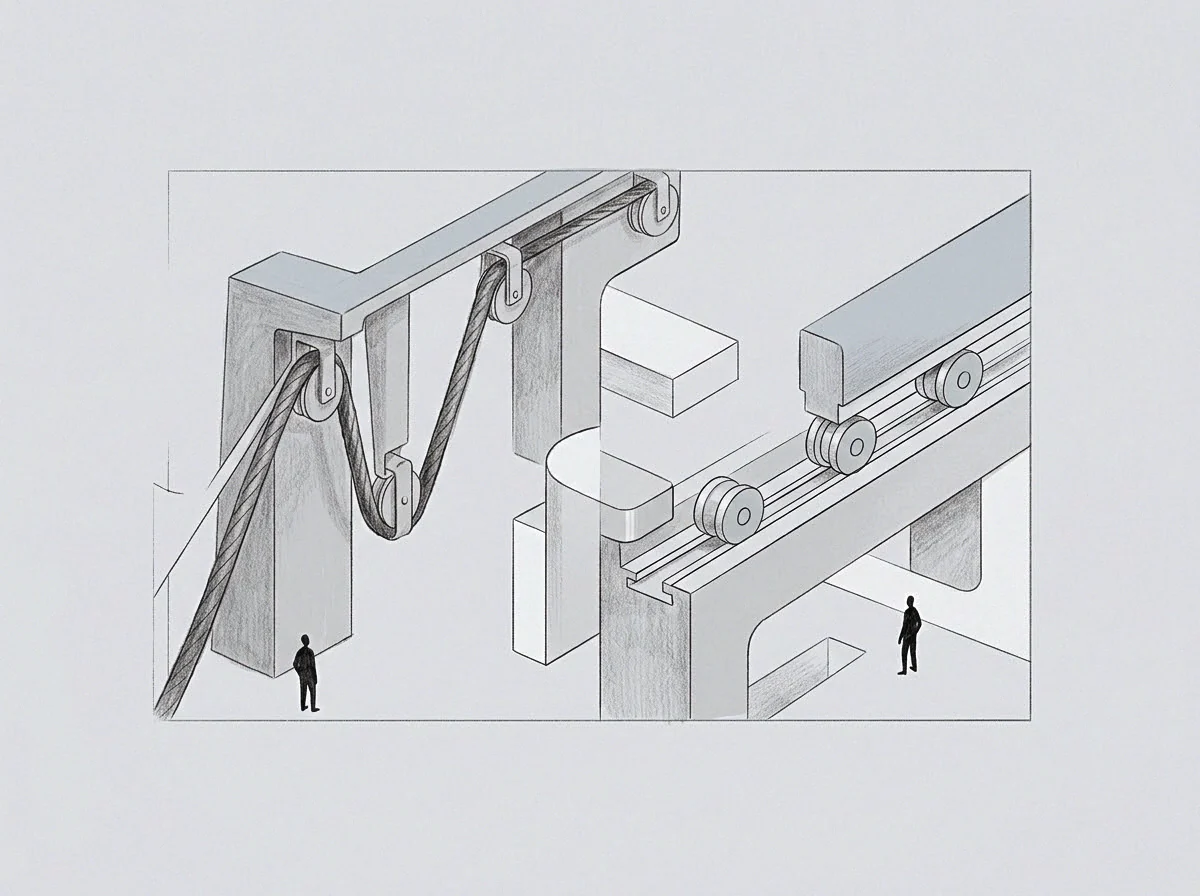
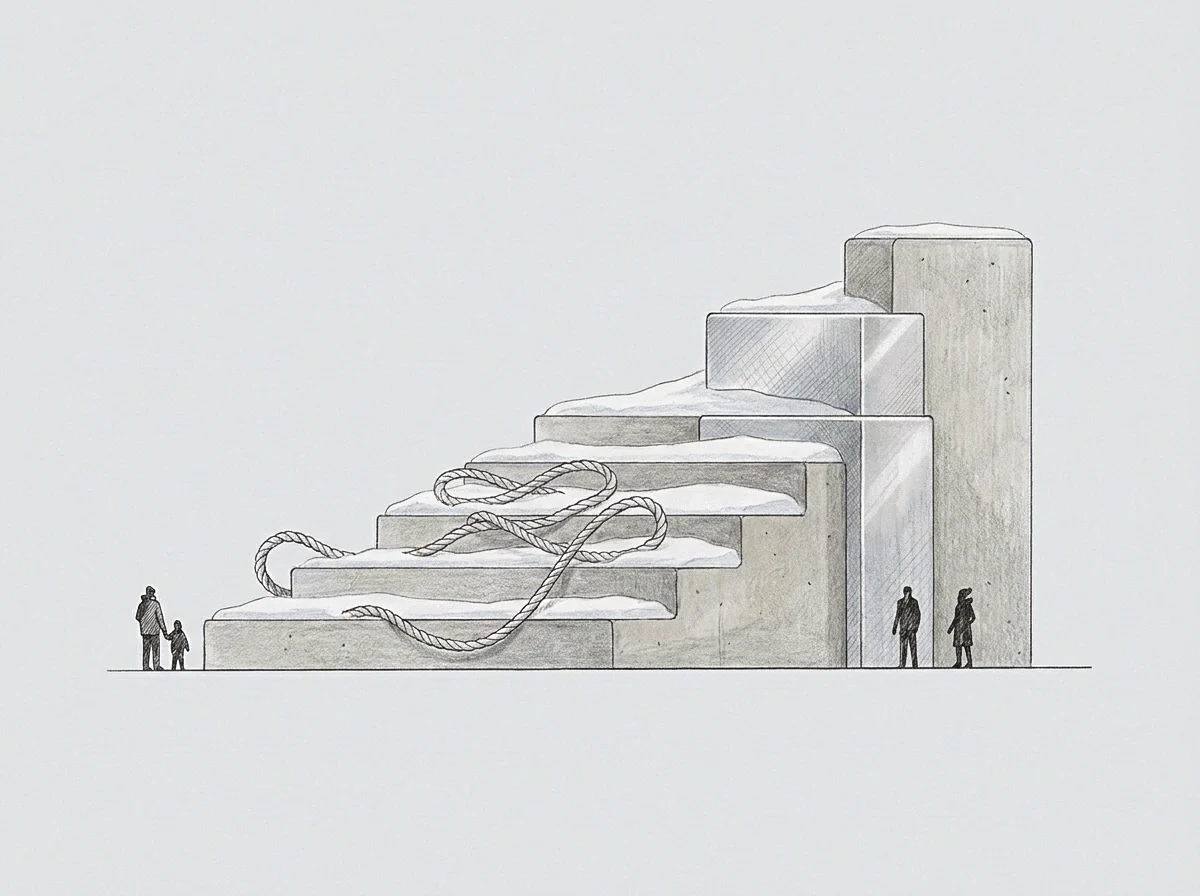
Permanent variance between recurrent expenditure and baseline revenue defines the fiscal situation. A structural deficit occurs when institutional obligations exceed predictable income streams regardless of business cycle fluctuations. This condition remains fixed even during periods of maximum productive capacity because the internal costs of operation are hardwired above the inflow floor.
Funding Mechanics
Operating requirements often dictate the volume of fixed resources needed to maintain baseline utility. A structural deficit emerges as a recurring gap when those requirements expand beyond the capacity of organic conversion. Founders observe this spread by mapping the fixed cost baseline against the projected steady state velocity of cash inflows.
Discretionary spending adjustments provide only temporary relief because the underlying weight of the obligation stays constant.
Operational Signal
Recurring resource misalignment provides a proxy for the scalability of internal architecture. A structural deficit indicates a failure of the model to align its cost density with the natural market demand. Decisions regarding the reduction of headcount or the shedding of heavy infrastructure often follow the identification of this misalignment.
Management ignores this signal at the risk of permanent erosion of operating capital.
Fiscal Horizon
Mathematical projections identify the intersection point where cash reserves deplete under current operating rules. A structural deficit forces an assessment of the fundamental utility of each unit of expense within the organization. Calculations of future sustainability depend on closing the gap between permanent commitments and the capacity to generate revenue.
This boundary defines the limit of internal endurance for any entity maintaining a negative delta between its operational weight and its external reach.