Meaning
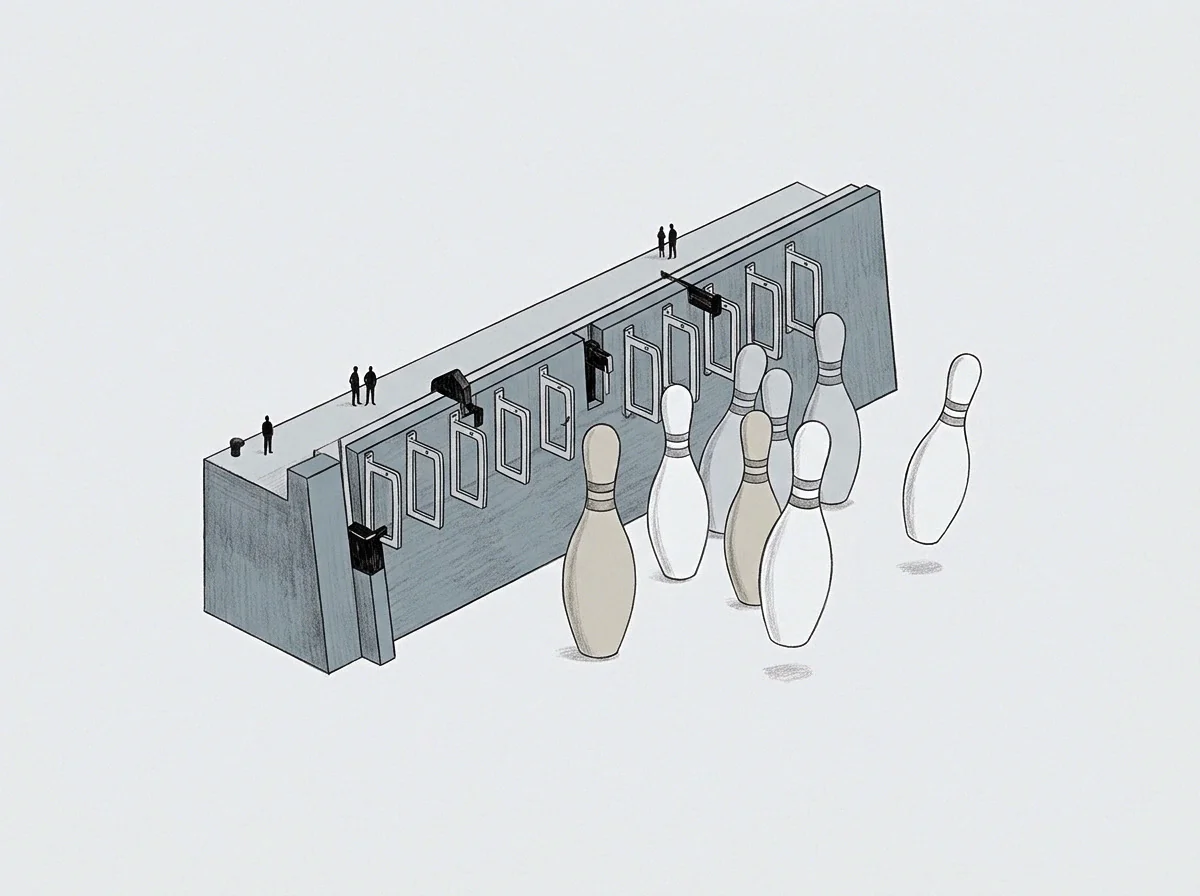
Maximum capacities inherent in the current design of an organization’s technical, financial, or operational systems define the ceiling of its performance. Identifying these structural limits involves stress-testing the database, supply chain, and cash reserves to see where the entire setup breaks under increased demand.
Systemic Thresholds
Infrastructure benchmarks on a physical scale indicate the precise point where additional volume will trigger system failures. When structural limits are reached, the cost of processing each new transaction increases dramatically due to emergency scaling expenses and manual workarounds. Founders monitor these thresholds to ensure they upgrade systems before they break, preserving the reliability of the service during high-growth periods.
Capital Constraints
Financial models have built-in ceilings that are defined by the amount of debt the company can carry and its cash generation rate. Ignoring these structural limits can lead to over-trading, where the business grows faster than its cash reserves can support. Managers utilize these boundaries to match growth targets with actual working capital.
Organizational Capacity
Human systems can only handle a specific volume of communication and task switching before performance declines. When the team hits its structural limits, morale drops and error rates climb as workers become overloaded. This point indicates that the organization must restructure its hierarchy to maintain its execution speed.