Meaning
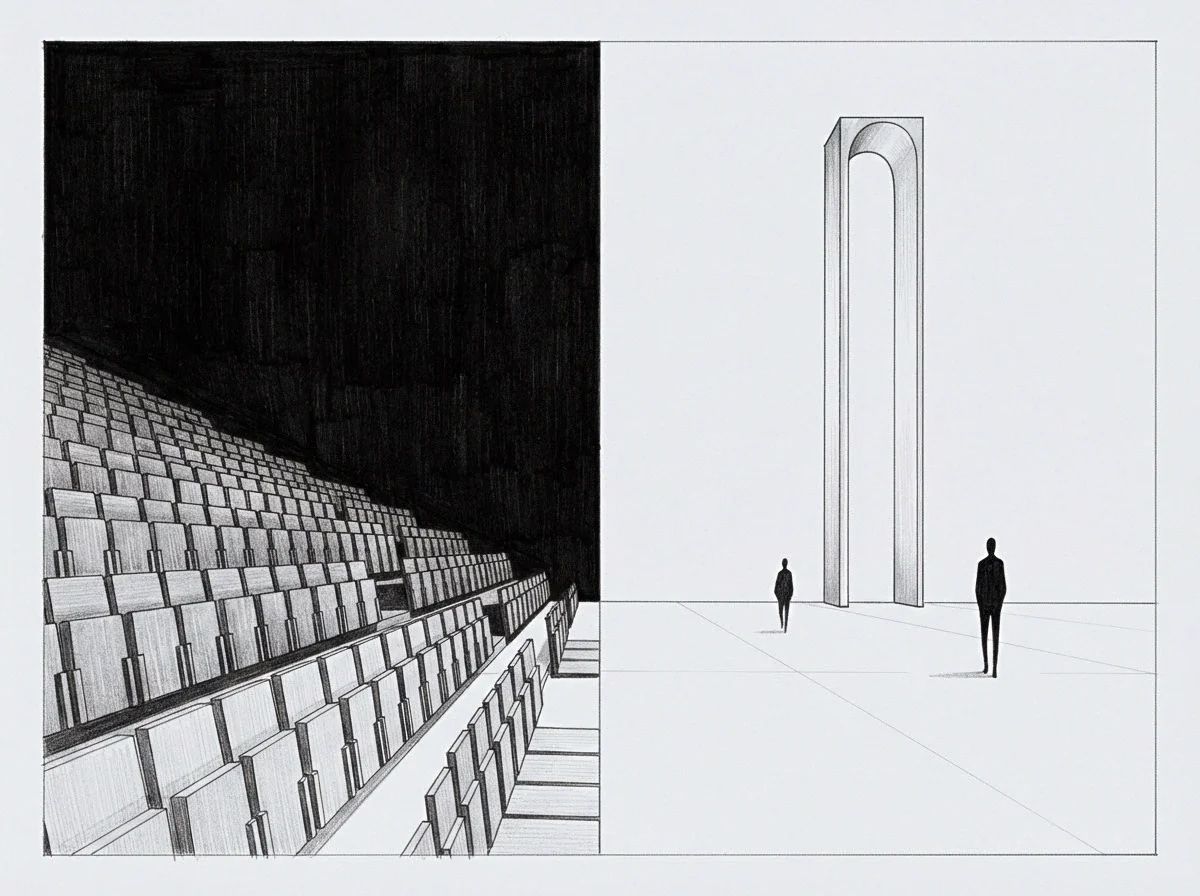
Boundaries in a growth trajectory appear when the current architecture of an organization cannot support a higher volume of transactions. Encountering a systemic wall necessitates a complete redesign of the internal logic rather than an incremental increase in effort. This boundary marks the limit of a specific way of working.
Scaling Limit
Procedures that worked for ten people often break when applied to one hundred. The systemic wall is the point where the existing methods of communication and decision making produce more errors than results. This limit is absolute and cannot be overcome by working harder or longer hours.
Architectural Load
Every piece of software or business process has a maximum capacity built into its design. When the systemic wall is reached, the load on the architecture causes it to slow down or fail entirely. This failure is a signal that the foundational assumptions of the business are no longer valid.
Structural Ceiling
Organizations are built with a certain height and complexity in mind. The systemic wall represents the ceiling of that structure, beyond which no further layers can be added without the whole thing collapsing. Reaching this ceiling requires a founder to stop growing and start rebuilding from the ground up.
This transition is the most dangerous moment in the life of a company because it requires the suspension of normal operations. Successful navigation of this barrier involves the total replacement of the old systems while the business is still running.