Meaning
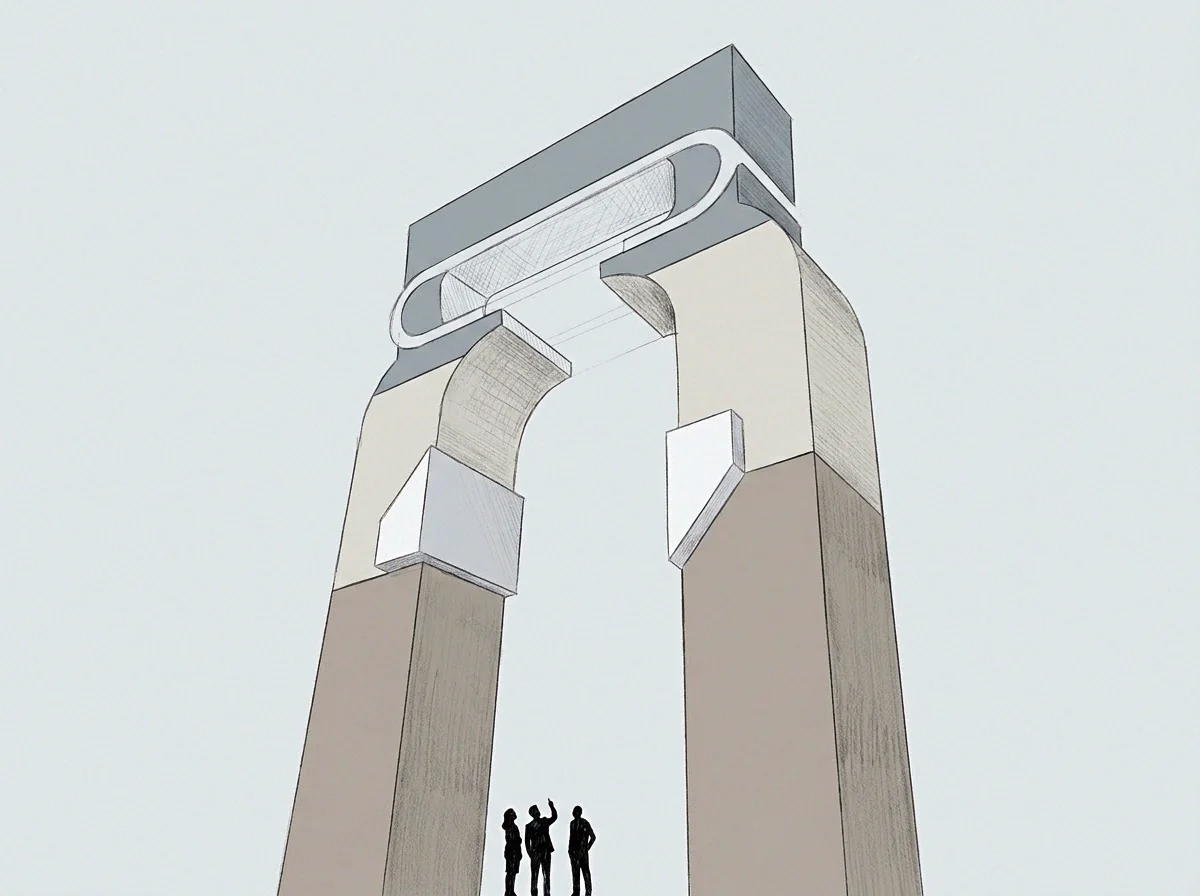
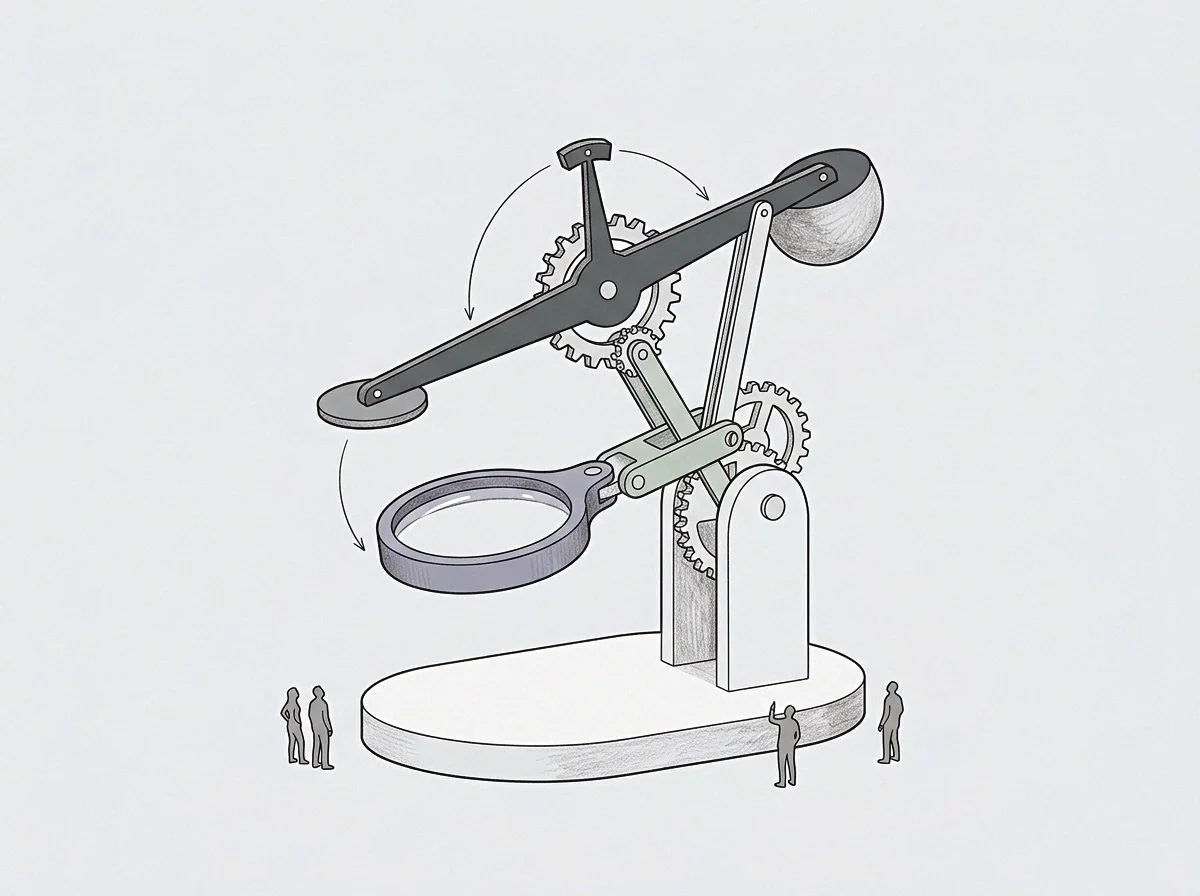
Task management methodologies that interrupt ongoing administrative projects to reallocate executive focus to urgent operational crises determine organizational agility. In a restructured enterprise, thread preemption occurs when a critical market event or investor demand forces the leadership team to pause long-term planning. It redirects the primary attention of the firm to immediate survival tasks.
Preemption Protocol
Establishing clear guidelines for when to pause active projects prevents chaotic shifts in focus. Operators use thread preemption to handle emergencies without completely abandoning their strategic goals. When the crisis is resolved, teams can return to their original tasks with minimal loss of momentum.
This structured interruption keeps the organization stable and protects the integrity of the long-term plan.
Attention Cost
Constantly switching between strategic planning and crisis resolution carries a measurable cost in hours and executive energy. Frequent thread preemption can lead to project delays and employee burnout. To minimize this strain, the leadership should limit the frequency of these interruptions to truly exceptional circumstances.
This precaution protects the execution capacity of the team.
Systemic Efficiency
Well-designed organizations balance immediate responsiveness with long-term execution. Utilizing thread preemption correctly ensures that critical problems receive rapid attention while standard processes continue to run in the background. This balance allows the business to navigate turbulent times while maintaining its core productivity.