Meaning
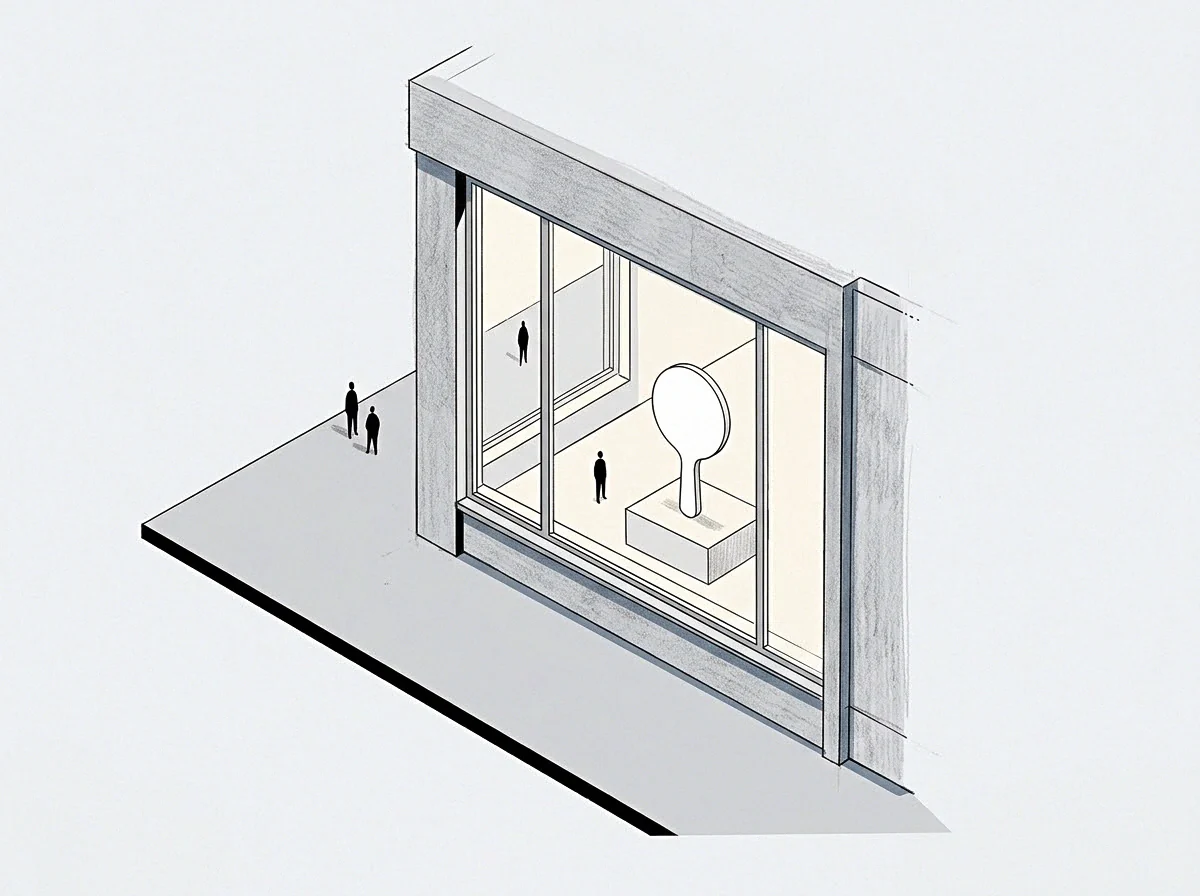
Uncontrolled project expansion occurs when deliverables, features or obligations multiply without accompanying adjustments to time, budget or resources. In project management, scope creep describes the gradual erosion of initial project boundaries under informal requests and unpriced additions. The condition measures the negative delta between original specifications and actual delivery requirements.
It stops applying when changes proceed through formal contract amendment procedures with explicit financial recalibration.
Boundary Drift
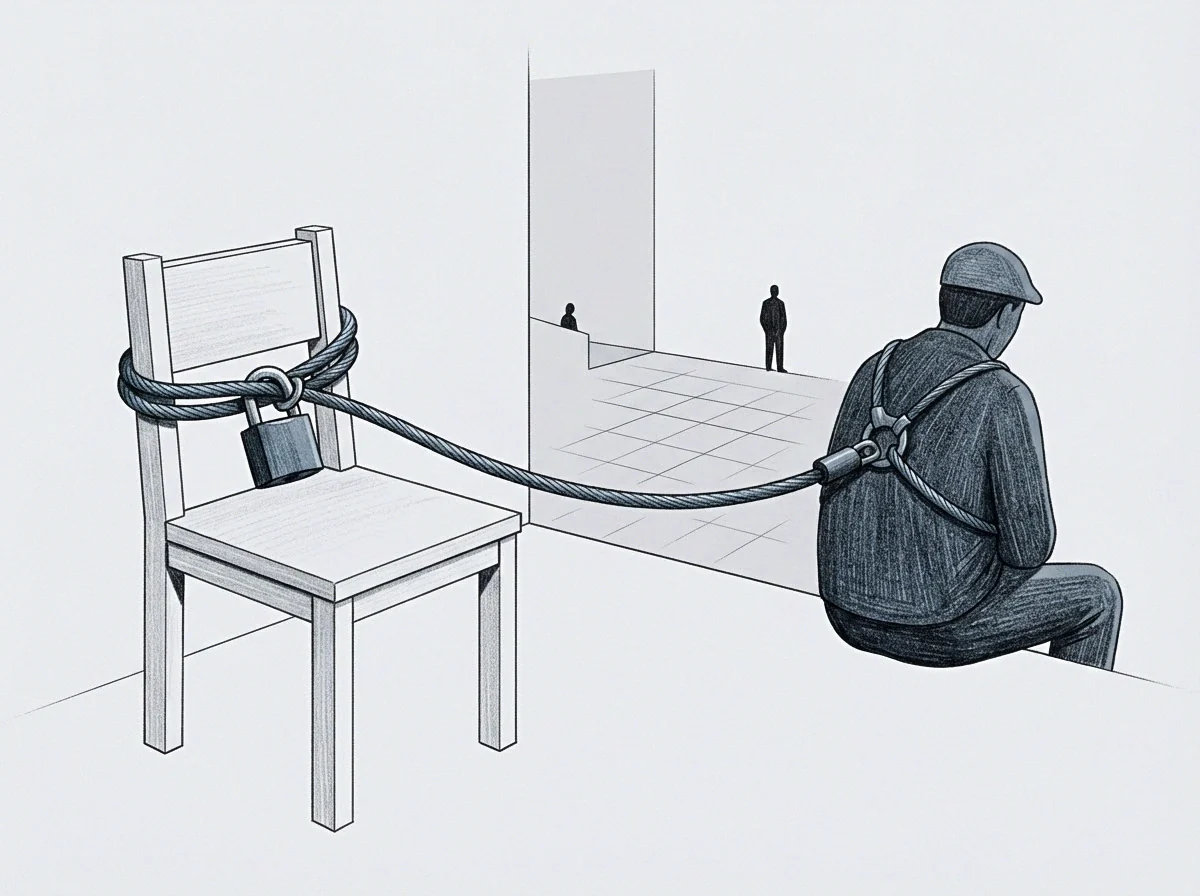
Informal concessions during client interactions initiate the erosion of project constraints. When scope creep begins, delivery teams agree to minor enhancements under the assumption that small tasks impose negligible burdens. These unrecorded modifications accumulate rapidly, transforming a straightforward delivery cycle into an extended operational commitment.
Unpriced Extraction
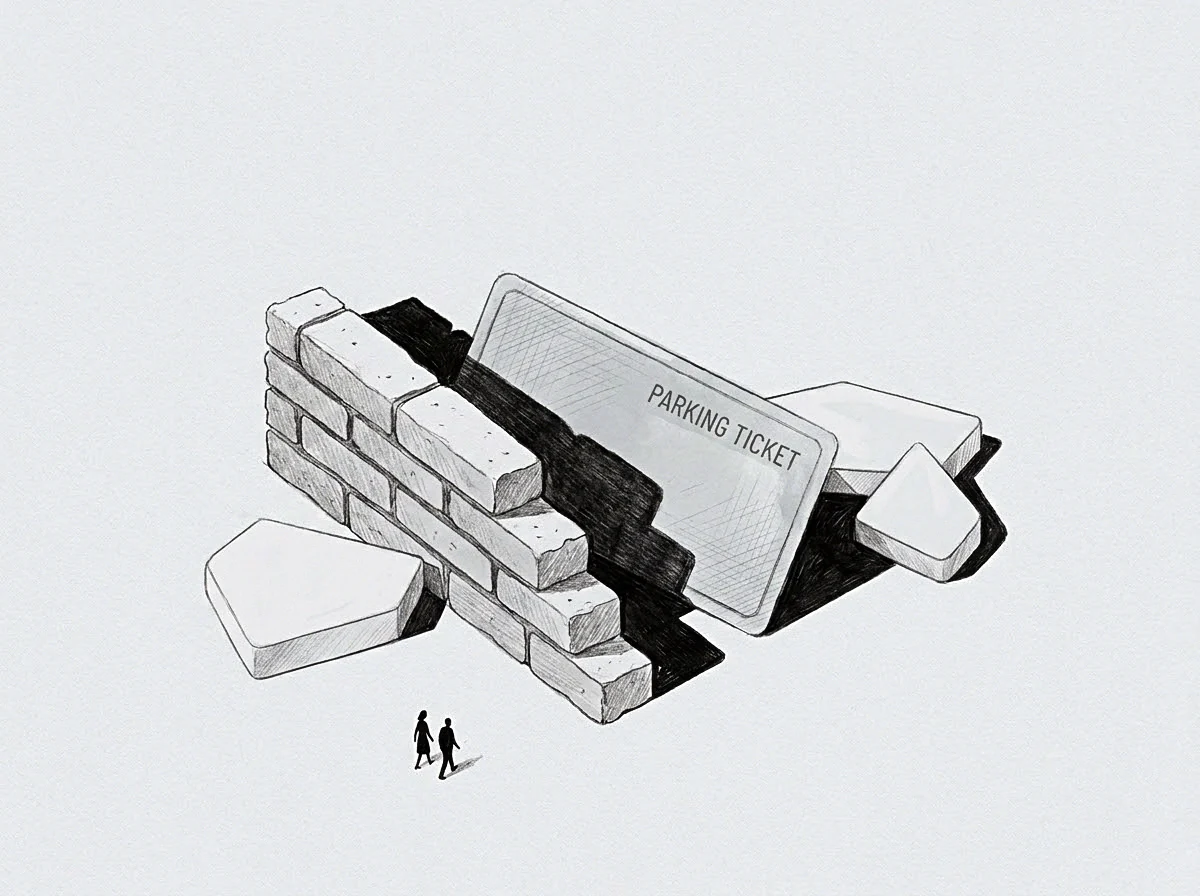
Additional client demands consume reserve capacity without generating incremental income. The financial penalty of scope creep appears in depressed margin figures and delayed milestone completions. Specialists spend unbillable hours satisfying peripheral feature requests, starving subsequent project schedules of necessary operational resources.
Variance Propagation
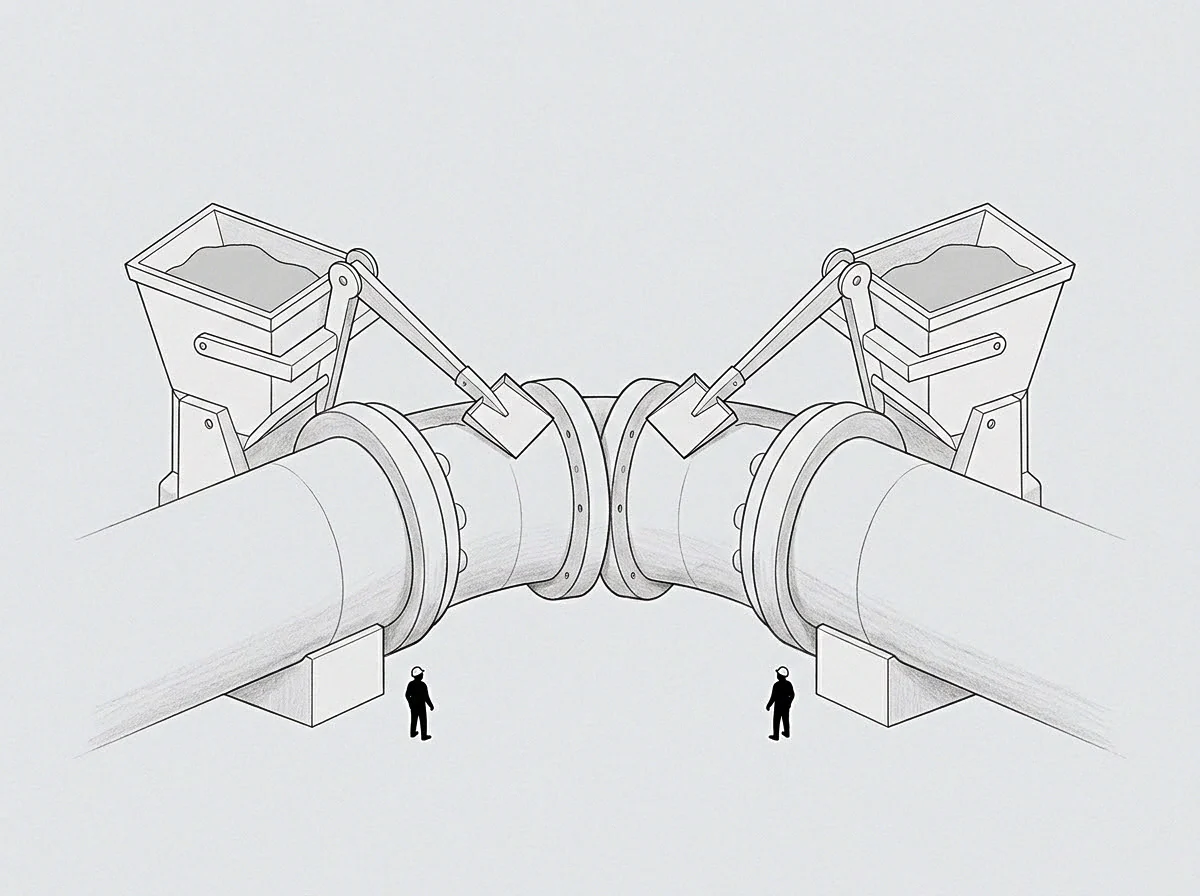
Early project drift compounds into systemic delivery failure across concurrent workflows. Unchecked scope creep alters team schedules, introduces unvetted technical dependencies and strains professional relationships. Maintaining project boundaries through formal change orders protects organizational capacity from unauthorized client expansion.