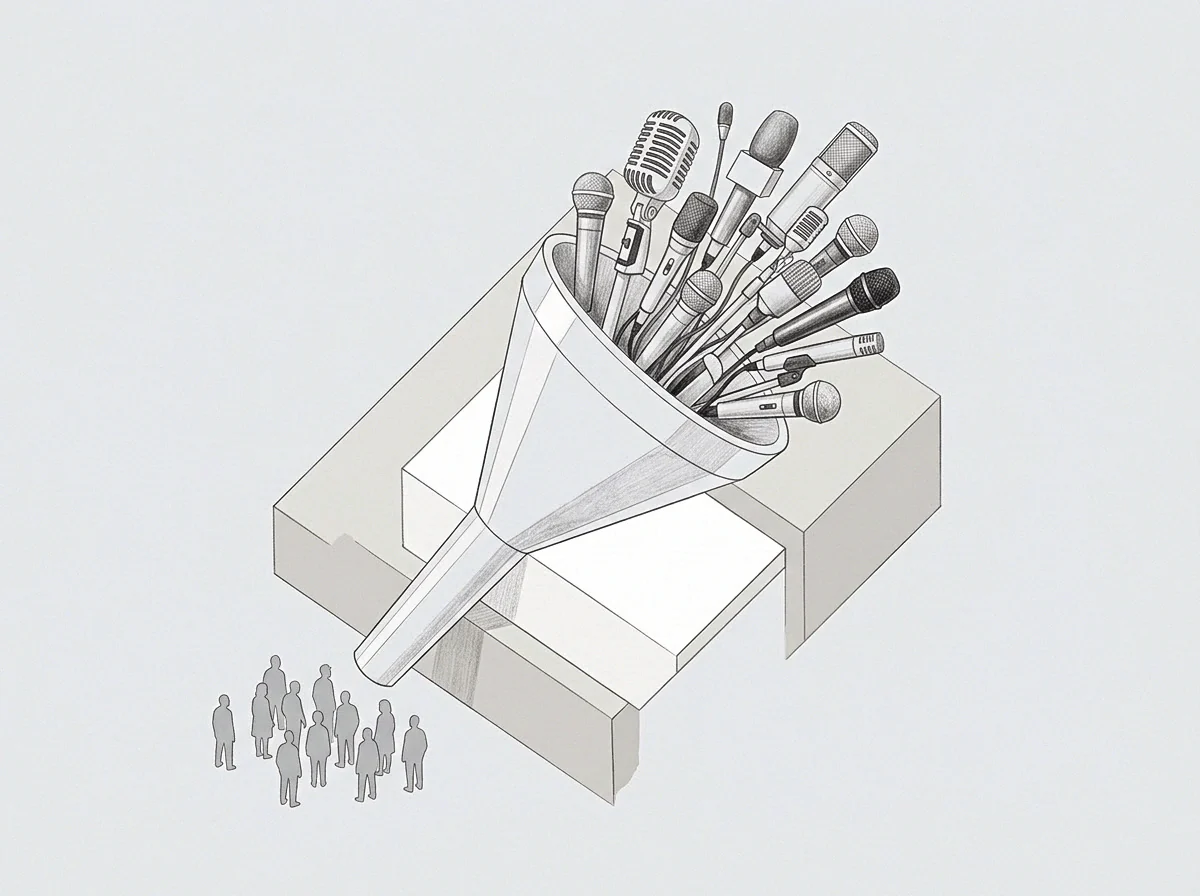
Meaning
Communication efficiency degrades when irrelevant or secondary data flows interfere with the primary signals received from market feedback. In post-launch analysis, channel noise represents the volume of non-actionable notifications and general system alerts that obscure critical product insights. Distinguishing between system anomalies and routine chatter is necessary to maintain operational clarity.
This categorization is inapplicable when direct, structured feedback loops are used instead of open, unstructured communication streams.
Signal Distortion
Data collection systems frequently receive superfluous entries that drown out valuable feedback. When channel noise is high, engineers spend disproportionate time investigating minor anomalies.
Feedback Friction
Manual reviews of mixed feedback streams slow down product updates and increase development cycles. If the engineering team must sort through unstructured comments, the response time to major system outages grows. This lag directly impacts user satisfaction and increases operational overhead.
To avoid this friction, automated classification filters can separate high-priority signals from low-priority updates. This structured triage allows support specialists to address critical issues before they escalate.
Filter Protocol
Automated sorting mechanisms use keyword indexing and source verification to categorize incoming messages. When these automated filters categorize incoming data, the volume of raw updates that human analysts must process decreases.