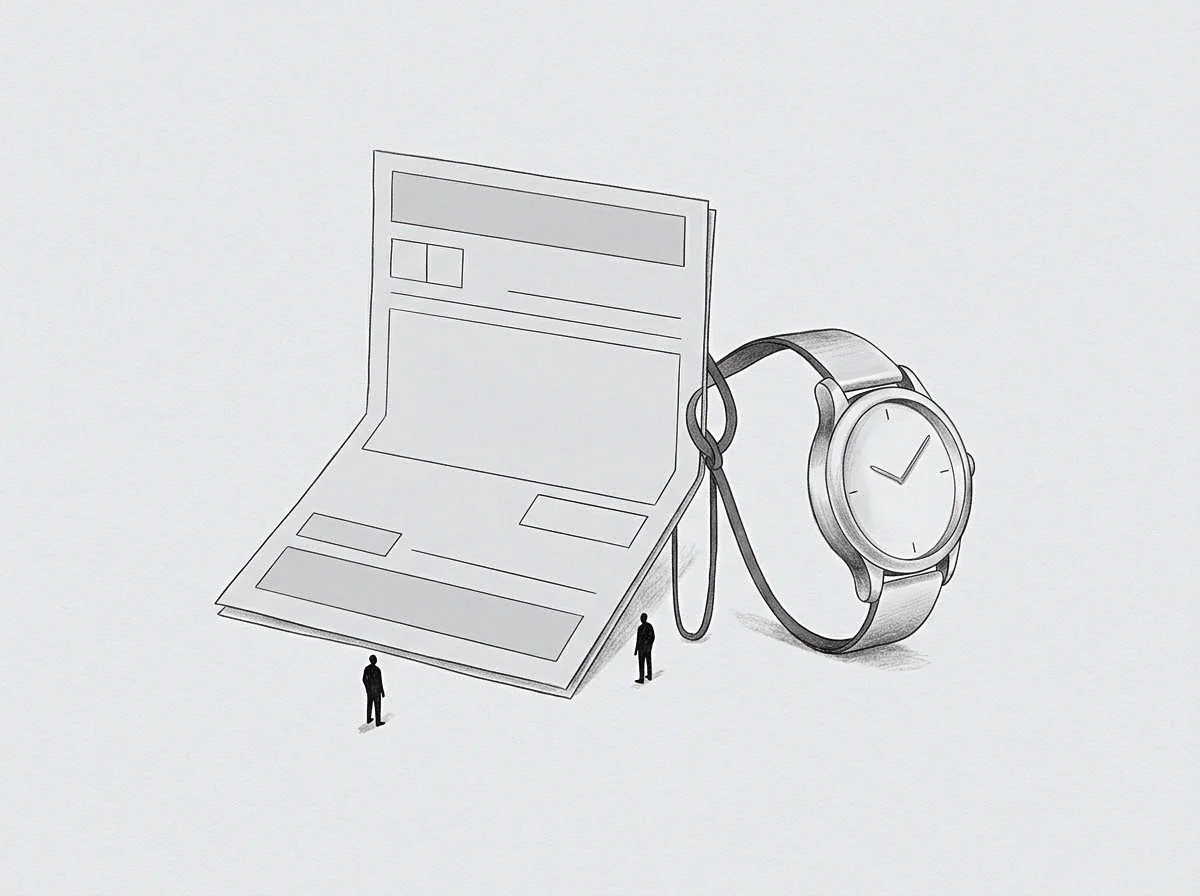
Meaning
Path variance represents the measurable difference between the intended strategic direction and the actual results achieved over time. Trajectory deviation quantifies how far an organization has drifted from its original mission or its projected growth curve. It serves as an early warning system for a founder that the daily activities of the team are no longer aligned with the long term vision.
This measurement is ordinal in nature, showing the degree of drift rather than just a simple pass or fail.
Drift Analysis
Small changes in daily priorities can lead to massive gaps in the final outcome. Trajectory deviation often happens so slowly that it is not noticed until the company is far from its goal.
Correction Vector
Returning to the desired path requires identifying the specific forces that caused the drift. These forces can include market pressure, employee turnover, competitor movement and leadership gaps. Once the cause of the trajectory deviation is known, the founder can apply a correction.
This might involve a rebranding, a new hiring strategy or a recommitment to the core product. The sooner the correction is made, the less energy is required to get back on track.
Strategic Alignment
Consistency in the direction of the company builds trust with investors, employees, customers and partners. Regular checks on the current state against the original goals help minimize trajectory deviation before it becomes a crisis. A company that stays on its path is more likely to reach its milestones and achieve its ultimate purpose.
By monitoring the drift, a leader ensures that every hour of work is moving the organization closer to its intended destination.