Meaning
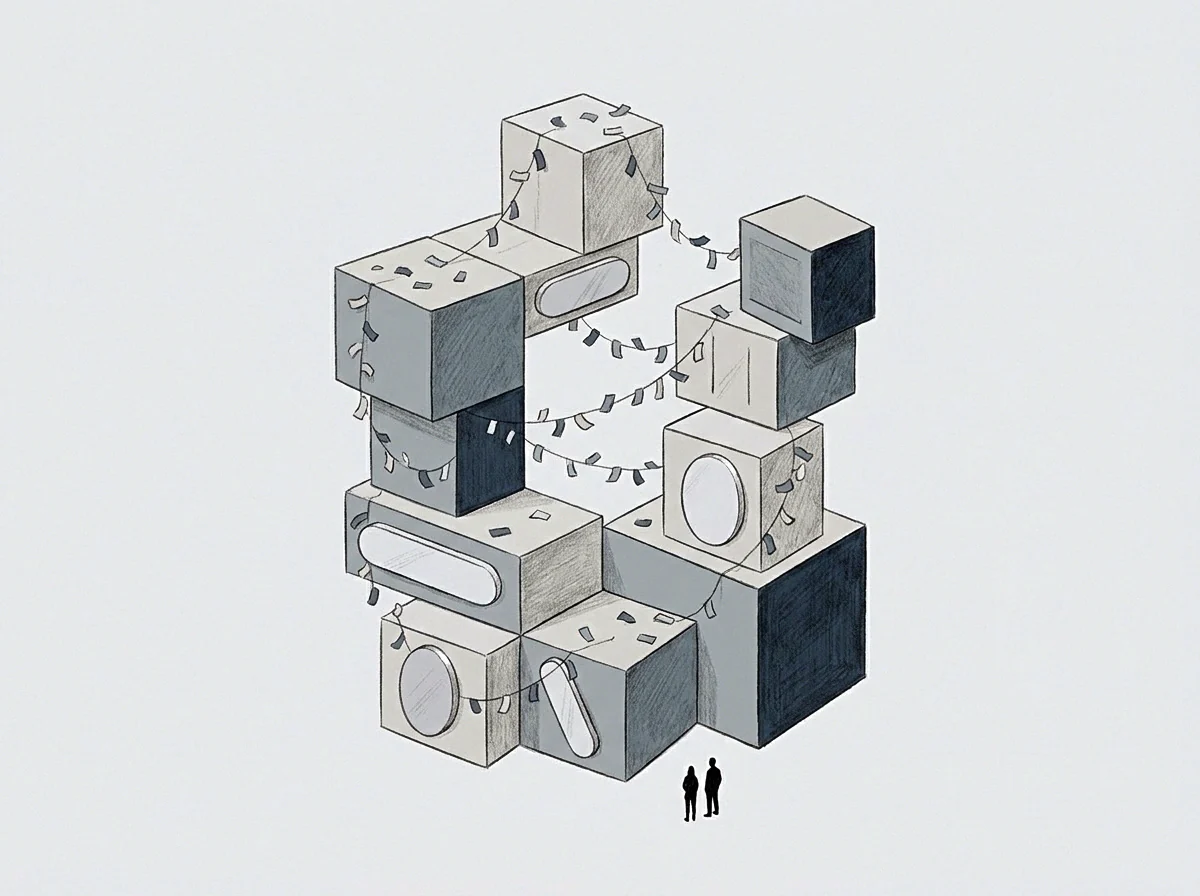
The formal design of a tiered financial instrument that defines the order and priority of payments to different groups of investors. The tranche architecture determines how risk is partitioned and how cash flows are distributed. This structure allows a single pool of assets to appeal to many different types of buyers.
Investors Priority
Participants at the top of the stack have a legal right to be paid before those at the bottom. This tranche architecture creates a safety net for conservative participants while offering higher potential gains to those willing to take more risk. The hierarchy is fixed at the time of the deal.
Structural Integrity
Reliability of the investment depends on the rules governing how losses are handled. If the tranche architecture is poorly designed, a small number of defaults can cause the entire system to fail. Clear boundaries between the tiers are necessary for the stability of the instrument.
Differentiation Matching
Diverse institutions have unique requirements for the assets they can hold. By using a clever tranche architecture, a founder can package a single project into several different products that each fit a specific niche. This increases the total amount of capital available for the venture from a wider variety of sources.
Each layer is tailored to a specific type of investor, from the most cautious to the most aggressive. The final design determines the overall cost of capital for the business.