Meaning
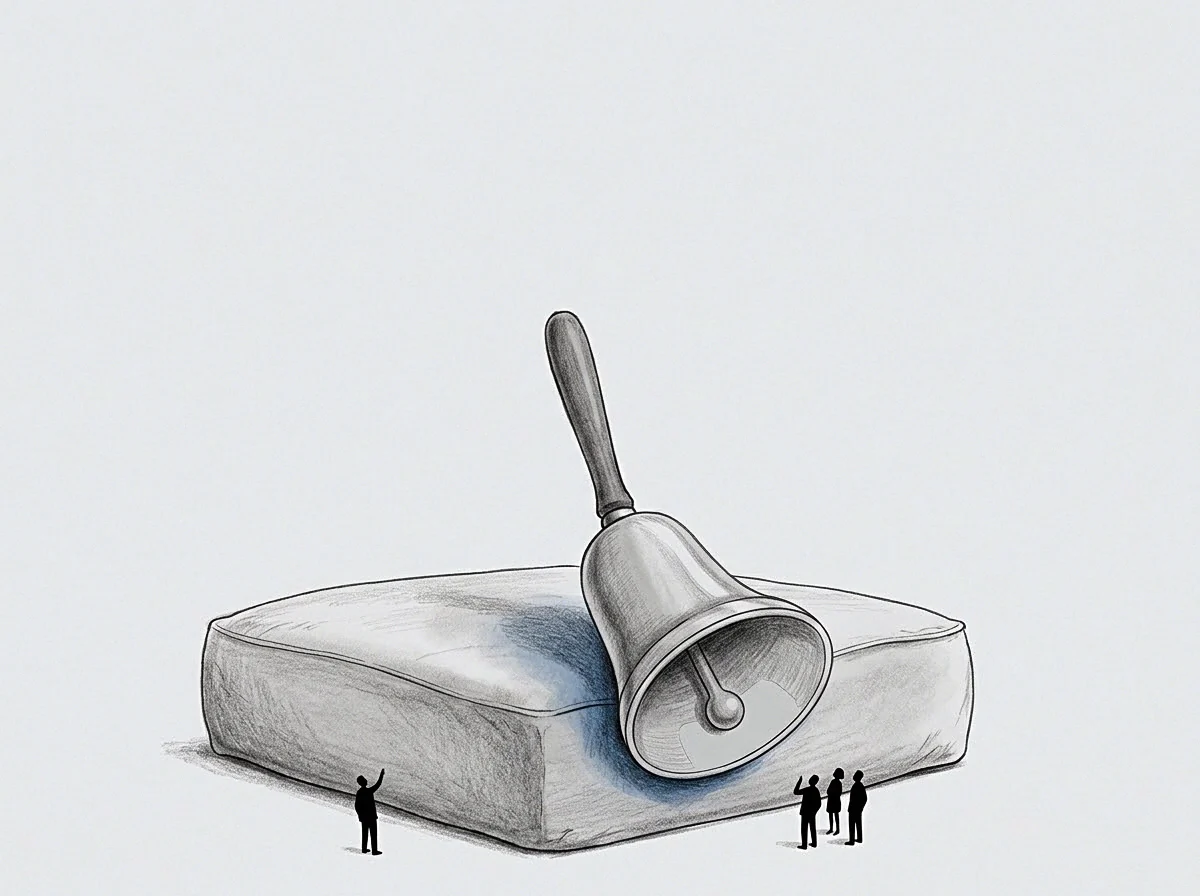
Database operations management guarantees that executed operations are recorded and maintained despite system interruptions. The term transactional persistence refers to the technical capability of a system to write state changes to durable storage before confirming success to the caller. This mechanism ensures that financial ledger entries, user records, and orders are never lost during sudden hardware or network failures.
It is the technical foundation of system reliability.
Execution Reliability
Durable recording methods safeguard system consistency. Through transactional persistence, the application ensures that multi-step operations either succeed completely or roll back to the previous state. This prevents partial writes.
Operational Cost
Ensuring write durability demands substantial hardware performance. To achieve transactional persistence, a system must wait for hard disks to confirm that data has been physically written. This synchronous waiting period limits the throughput of the application and increases latency for the end user.
It requires higher spending on high-performance storage drives to maintain acceptable speed under heavy operational loads.
Architectural Limit
High throughput requirements force a shift to asynchronous processing. The demand for absolute transactional persistence is limited when dealing with massive streams of non-critical data. If a system is recording thousands of sensor signals per second, the performance penalty of synchronous disk writes is unsustainable.
In such cases, teams transition to eventually consistent models, accepting the risk of minor data loss in exchange for massive scalability and speed.