Meaning
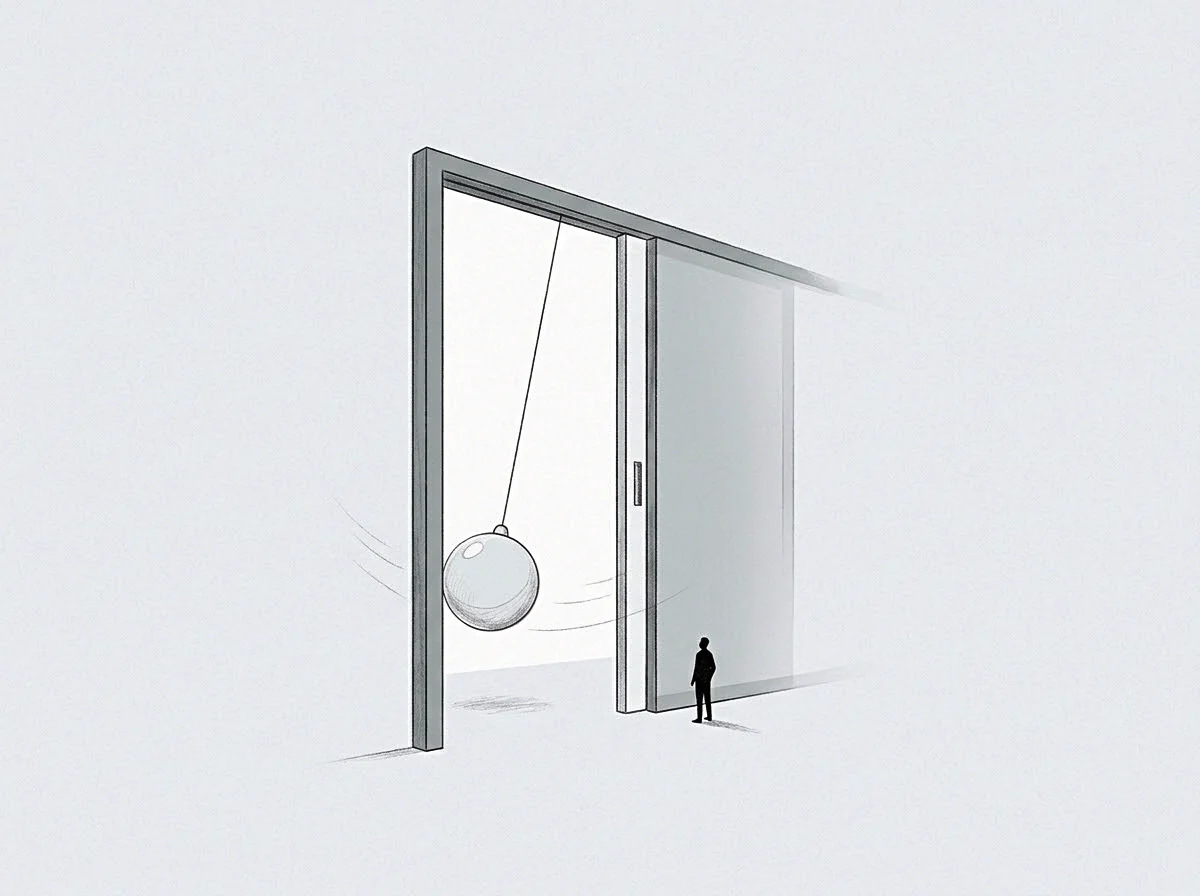
Temporary condition occurring during a system transition marks the period before a new equilibrium is established. A transient state occurs after a change is initiated but before the effects have fully stabilized. During this window, measurements of performance are often unreliable because the variables are still shifting.
The duration of this phase depends on the complexity of the system and the friction of the transition.
Duration Delta
Calculating the time it takes to cross this gap helps in planning future moves. In a transient state, the system may exhibit behaviors that are not present in its normal operation (such as temporary spikes in resource use or data inconsistencies). Identifying the start and end points of this phase is crucial for accurate performance analysis.
Uncertainty Period
Uncertainty is highest when the previous rules no longer apply and the new ones have not yet taken hold. This transient state creates a risk of making decisions based on temporary data. Practitioners often wait for the system to settle before committing to a long-term strategy.
Monitoring Path
Monitoring how the system trends toward the target state provides a look at the success of the transition. If the transient state persists too long, it may indicate that the system is oscillating rather than stabilizing. Successful management involves dampening these oscillations to reach the final configuration as quickly as possible.