Meaning
Contract terms are the discrete operational constraints and performance thresholds within a written agreement that define the obligations of participating entities. These contract terms act as the structural framework for resource allocation and legal accountability. They function as a boundary for professional relationships, detailing the conditions under which services are performed or assets are exchanged.
Legal Architecture
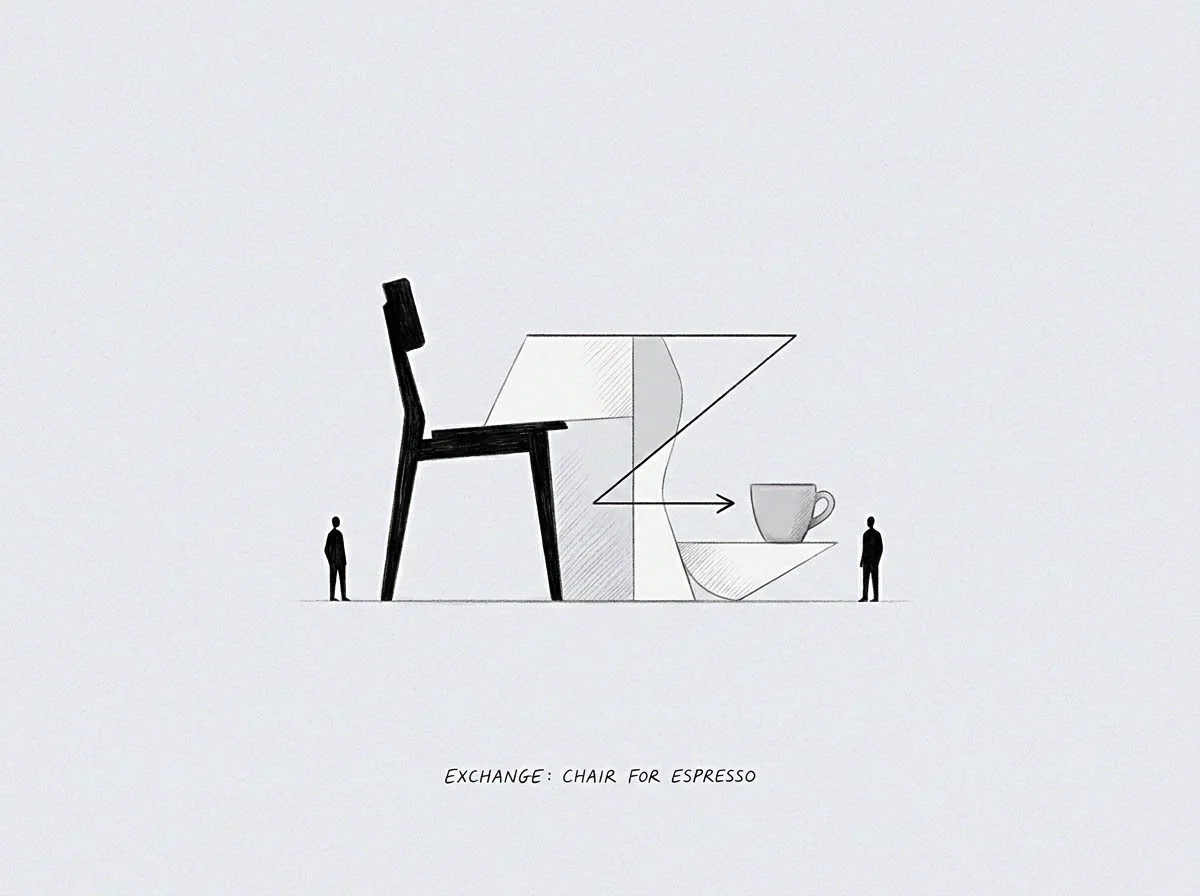
A contract term establishes the parameters of liability and the specific temporal windows for fulfilling requirements. It operates as a control mechanism by mapping precise outputs to the delivery of goods or services. Discrepancies between the described obligation and the actual performance lead to recalculations of value.
A breach of a clause triggers pre-determined remedies that return the relationship to a defined baseline.
Numerical Calibration
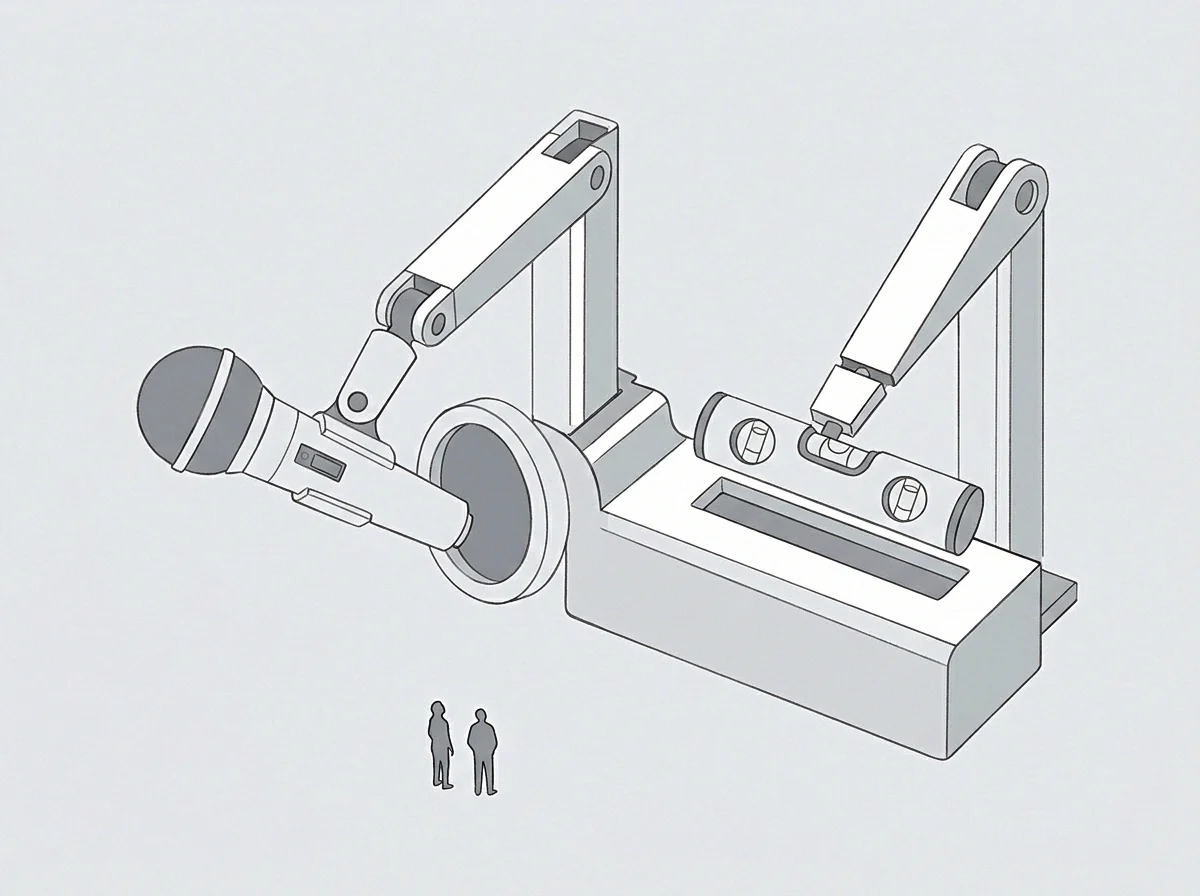
Precise quantification within a contract term allows for the conversion of abstract promises into cardinal data points. Each constraint acts as a variable on a scale of performance, where binary outcomes determine whether a condition is met. These indicators provide a mechanism for calculating the delta between stated commitments and realized movement.
Founders use these metrics to assess the variance between expected resource consumption and the actual input required.
Operational Boundary
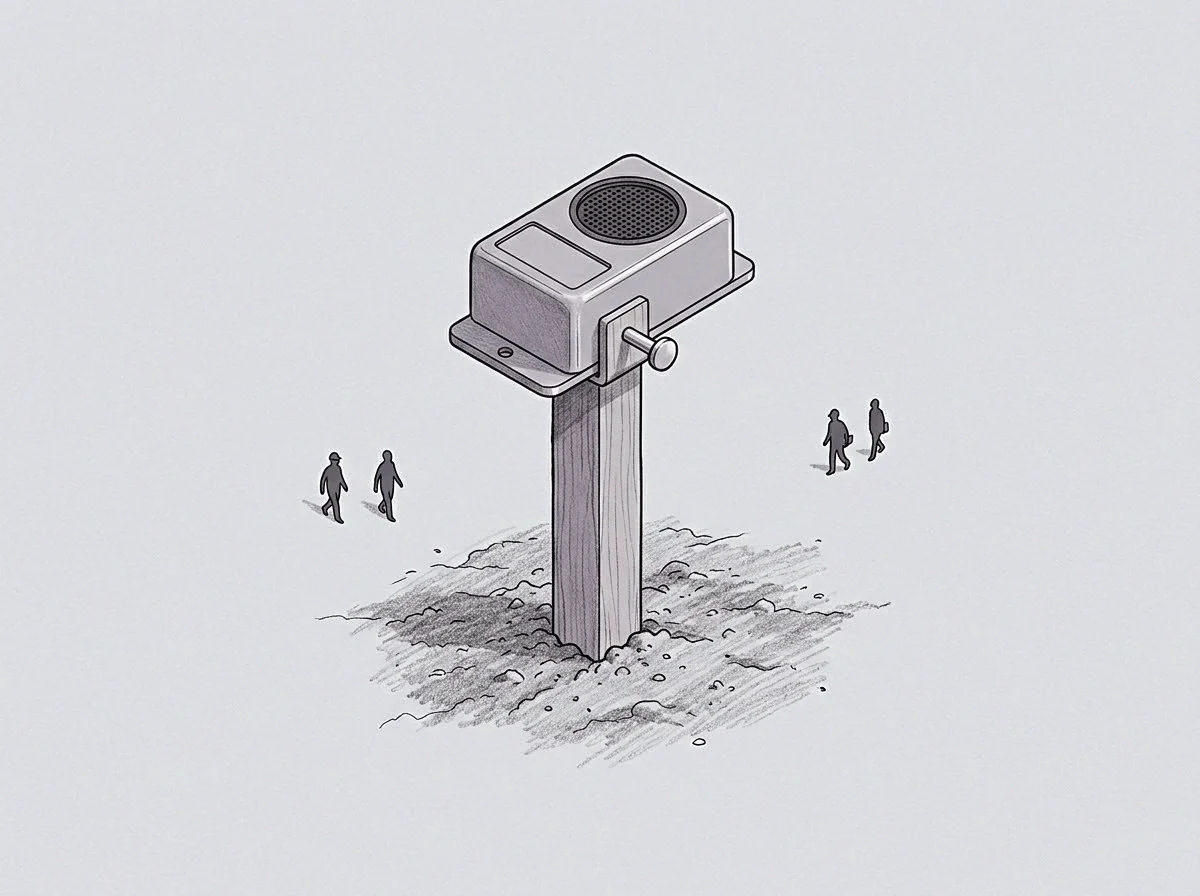
Limits placed on liability and exclusivity clauses function as the outermost edges of an agreement. When a requirement falls outside these defined margins, the document loses its utility as a protective instrument. An extension of these boundaries requires a formal amendment to the underlying text.
Contract terms define the ceiling for potential recovery when a counterparty fails to meet a stated goal.