
Protecting Complex Technical Work When Bank Balances Fall Below Payroll
Isolating core architecture behind deterministic builds protects technical equity when liquidity fails before recapitalization occurs.
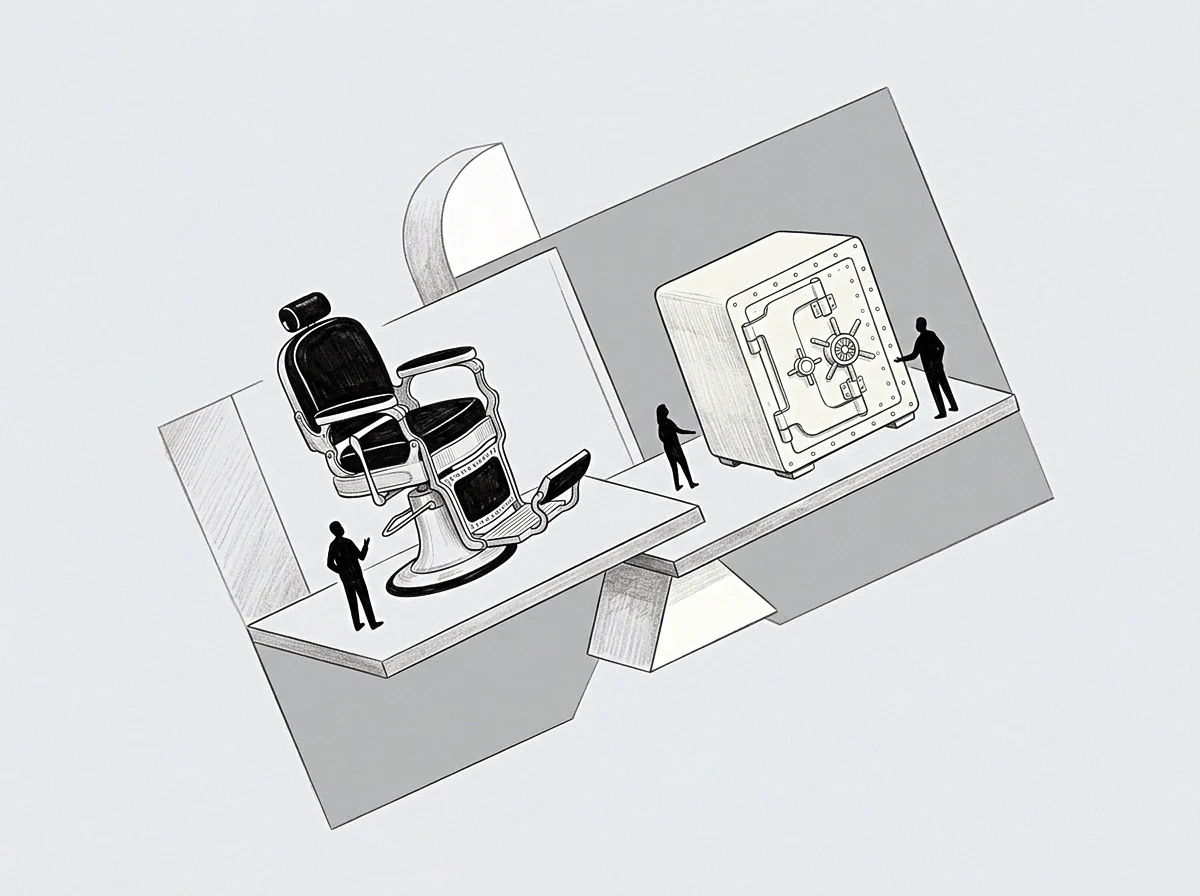
Wall
When liquid bank balances drop below upcoming payroll commitments, corporate attention shifts violently toward immediate capital extraction. Engineering teams face immediate pressure to redirect focus from deep architectural foundations to short term commercial patches. Cash insolvency alters human priorities.
This shift introduces structural instability into complex software assets, as long term invariant guarantees yield to hasty client specific alterations.
Preserving technical assets during insolvency demands a structural boundary between cash preservation efforts and the underlying codebase. Founders who allow commercial panic to penetrate deep technical lines discover that codebase integrity collapses months before equity formally restructures. The technical partition operates as a firewall, isolating core developers from customer support fires and speculative bridge proposals.
Preserving Core Technical Capability During Liquidity Shortfalls
The primary engineering challenge during a liquidity crunch centers on isolating long horizon projects from short term revenue features. When bank balances decline, operators naturally attempt to convert engineering hours directly into immediate cash inflows. This conversion frequently fails because deep technical systems do not admit rapid feature monetization without severe structural compromise.
An operator maintains this isolation by establishing explicit operational zones. Core platform engineers remain assigned to deterministic build pipelines and platform stability, while a designated commercial liaison handles external customer demands and custom contract proposals. The core architecture remains fixed.
An engine room insulated from cash flow signals maintains technical velocity until liquid capital entirely vanishes.

Isolating High Entropy Development Lines From Commercial Panic
Uncontrolled customer feature requests introduced during crisis periods generate high structural entropy. When an organization accepts custom integrations to survive a single payroll cycle, the main code repository branches into fragmented, unmaintainable forks. Financial capital leaves first.
To prevent this decay, technical leadership enforces strict isolation rules on incoming work requests. Custom code created for emergency bridge contracts resides exclusively in isolated plugin layers or external microservices. This boundary keeps the main platform codebase clean, preserving its strategic value for future capitalization rounds.
When technical leads fail to enforce this isolation, the resulting architectural damage outlasts the financial crisis itself, rendering the codebase unmaintainable by subsequent engineering teams.
Scale
Evaluating technical preservation during financial distress demands measurement tools that transcend conventional balance sheet accounting. Financial accounting measures cash reserves in cardinal figures, whereas engineering capability updates on an ordinal vector. A company with zero dollars in liquid accounts may simultaneously hold a pristine, highly scalable engine, provided structural debt has been contained.
Confounding financial debt with technical debt leads operators to abandon technical standards prematurely. Technical debt compounds exponentially here. Measuring system degradation requires tracking specific technical invariants rather than monetary burn rates.
Ordinal Evaluation of Technical Preservation
Ordinal evaluation ranks the state of critical architecture along a progression of structural health indicators. Instead of calculating abstract monetary value, technical leads evaluate whether system invariants hold across build iterations. This scale places system determinism at the highest tier and manual operational workarounds at the lowest.
Maintaining a high position on this ordinal scale guarantees that when capital returns, the platform accepts new capital efficiently. When an organization sacrifices ordinal technical health for short term survival, restarting development after recapitalization becomes prohibitively expensive.
| Preservation Mode | Codebase Entropy | Knowledge Retention | Capital Reconstitution Cost |
|---|---|---|---|
| Unregulated Dissolution | Severe compounding debt | Lost through unmanaged departures | Prohibitive full system rewrite |
| Tactical Firefighting | Moderate localized debt | Partial documentation preserved | Substantial refactoring required |
| Partitioned Freeze | Deterministic low entropy | Complete specification preserved | Low deterministic resume cost |
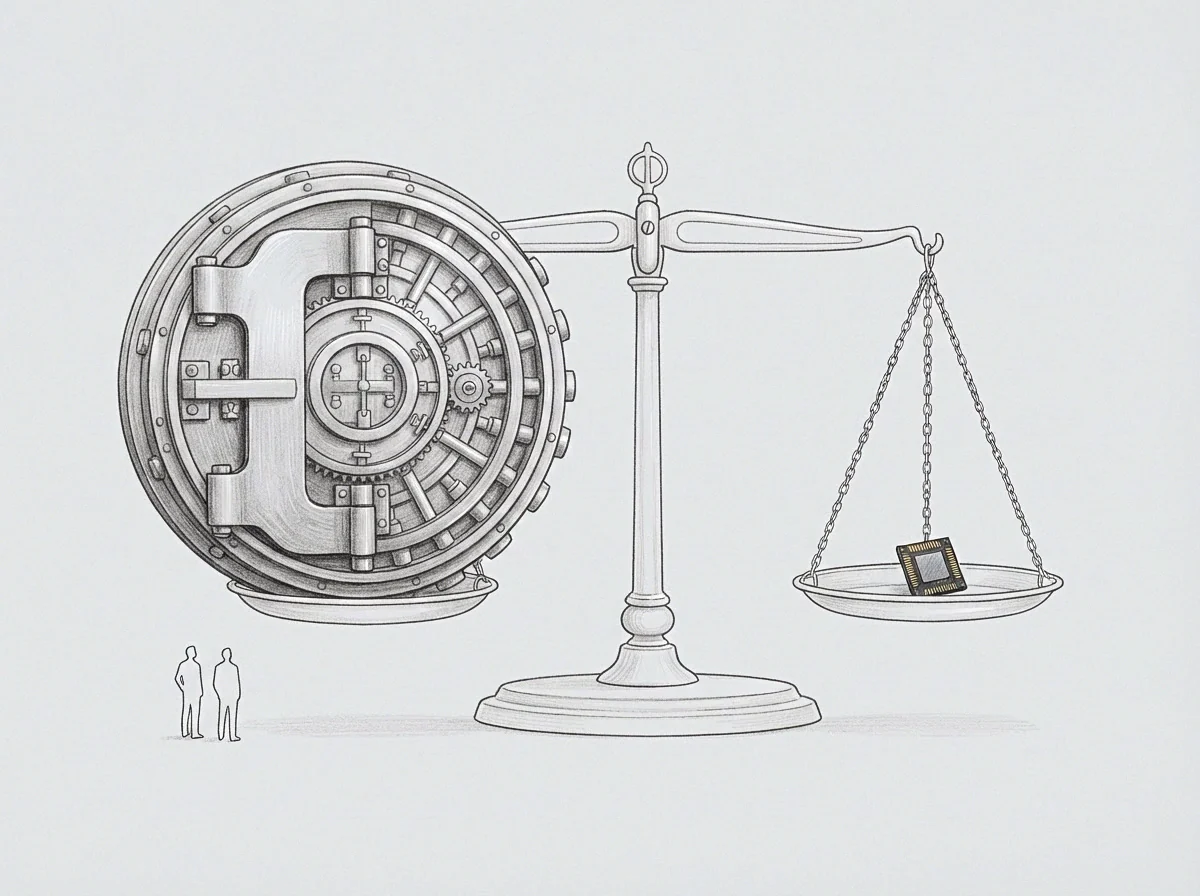
How Do Engineering Teams Measure Asset Degradation?
Tracking asset degradation during a financial pause requires concrete, automated measurement criteria. Engineering leads monitor test suite coverage, build reproducibility, and open architectural defect counts. Operational friction destroys momentum.
When these metrics indicate rapid decay, technical leadership halts new feature modifications entirely. Freezing the system at a known stable commit preserves its baseline capability far more effectively than continuing compromised development under severe resource constraints.
When deep technical work is evaluated solely by short term billing hours, system architecture degrades into unmaintainable patches.
The investor examining the distressed entity later observes that the software codebase lost its fundamental coherence the exact week payroll was missed.
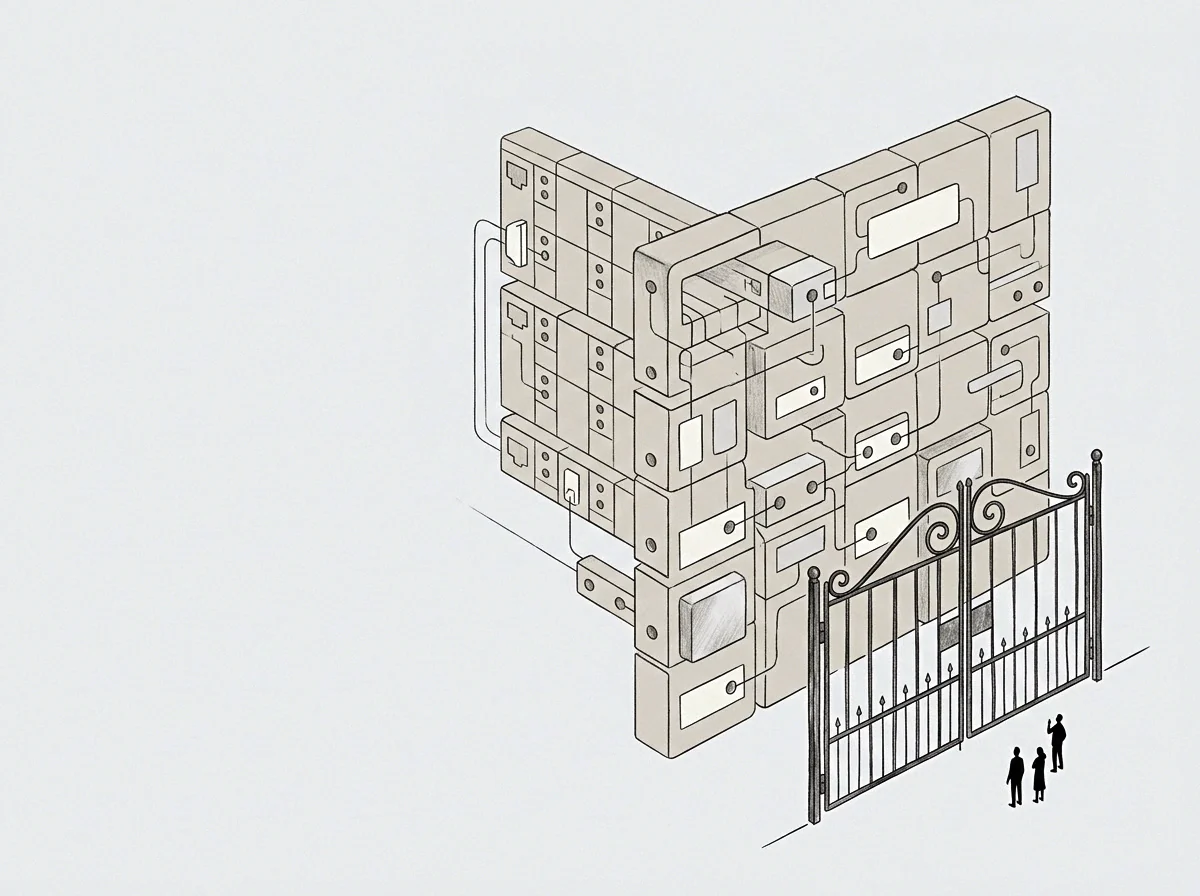
Shelf
Placing complex technical work onto a preserved shelf demands systematic preparation. A technical asset cannot simply sit dormant without explicit controls; dependencies change, security vulnerabilities emerge, and context dissipates. Archiving a platform requires creating autonomous, self-contained artifacts capable of remaining stable for extended periods without human intervention.
Engineers prepare this shelf by converting implicit organizational knowledge into explicit build machinery. System state demands clear records. By automating deployment scripts and freezing container registries, the engineering team guarantees that the platform reconstitutes exactly as intended when financial solvency resumes.
Archiving System Architecture for Cash Inflows
The technical shelving procedure prioritizes deterministic reproducibility over active optimization. When operations face temporary suspension, engineers complete ongoing structural refactoring branches and return the primary code branch to a fully validated state. The team freezes core updates.
Documenting open interface boundaries and hardware dependencies ensures that external technical auditors evaluate an intact system. This systematic organization lowers transaction costs during acquisition or recapitalization negotiations.
- Deterministic Build Environments Containerized dependencies ensure zero setup degradation when development pauses for extended capital bridge negotiations.
- Architecture Decision Records Explicit logs of structural trade-offs prevent replacement engineers from reintroducing solved failure modes.
- Automated Verification Suites Comprehensive regression tests quantify codebase stability before external auditors evaluate remaining assets.
Stating Asset Preservation Terms to Capital Sources
Communicating the state of shelved technology to potential bridge capital providers requires clear technical terms. Operators present explicit evidence of build reproducibility and system documentation rather than speculative revenue projections. Clean interfaces preserve long term value.
A technical system documented for an absent maintainer survives financial insolvency intact.
The insertion of an explicit technical preservation clause into bridge financing agreements protects the engineering core from immediate liquidation while capital restructuring takes place.
Cost
The true cost of operating an underfunded engineering team spans far more than unpaid compensation figures. Context switching, cognitive fatigue, and loss of domain context represent multi-attribute cost vectors that degrade long term capacity. Capital sources demand immediate clarity.
When cash balances fall, the human capacity for complex abstraction shrinks under economic pressure. Engineers forced to split focus between personal financial uncertainty and intricate algorithmic design suffer marked drops in implementation quality.

Decomposing Attention Loss and Context Switching Vectors
Every interruption to a deep technical focus cycle incurs a recovery penalty. During financial distress, frequent emergency meetings and shifting project directives multiply this penalty across the entire technical organization. Knowledge transfer halts without documentation.
Decomposing this attention cost reveals that teams spend more time managing administrative anxiety than writing verified code. The resulting drag lowers software output long before formal headcount reductions occur.
- Context switching from deep algorithmic work to customer success triage consumes four recovery hours for every single hour of disruption.
- Descoping core platform invariants to meet immediate bridge milestone deadlines introduces compounding structural debt across future cycles.
- Key engineering departure caused by prolonged payroll uncertainty extracts implicit domain knowledge that cannot be recovered through documentation.
Quantifying Opportunity Loss Across Deferred Milestones
Deferring core technical milestones to pursue immediate survival revenue creates permanent competitive lag. While the organization solves short term liquidity fires, competitor platforms advance baseline technical capabilities. The platform vector points upward.
Engineers forced to write emergency bridge features abandon platform architectural standards within two sprint cycles.
What portion of future technical capability was permanently sacrificed to secure the immediate bridge payroll sum?
Frame
Rebuilding operational velocity after a period of payroll insolvency requires a stable structural frame. Recapitalization alone cannot restore damaged architecture or lost context. Reconstitution depends entirely on how cleanly technical assets were packaged and isolated during the preceding capital collapse.
Organizations that preserved their technical invariants resume operations smoothly once liquidity returns. Execution halts when liquidity ends. By systematically restoring build pipelines and validating core regression suites, technical leadership confirms system integrity before reintroducing rapid feature iteration.

Reconstituting Operations Post Insolvency
The restart sequence follows a strict verification order. Engineering leads verify environment determinism first, followed by interface validation, and finally core algorithmic execution. This disciplined approach prevents early operational regressions.
Restoring team confidence demands clear boundaries around technical ownership. Re-establishing regular, uninterrupted sprint cadence signals to engineering personnel that strategic technical progress has resumed precedence over panic driven revenue patches.
Structuring Technical Preservation Agreements
Long term platform survival relies on formalizing preservation terms before financial distress occurs. Technical founders establish explicit protocols detailing how codebases are frozen, documented, and secured when bank balances touch pre-defined floor thresholds.
These structured agreements remove emotional decision making during crisis states, ensuring that technical equity remains fully protected regardless of short term financial volatility.
Preserving core system architecture through liquid capital exhaustion keeps the underlying capability intact for whoever operates the platform next.