Meaning
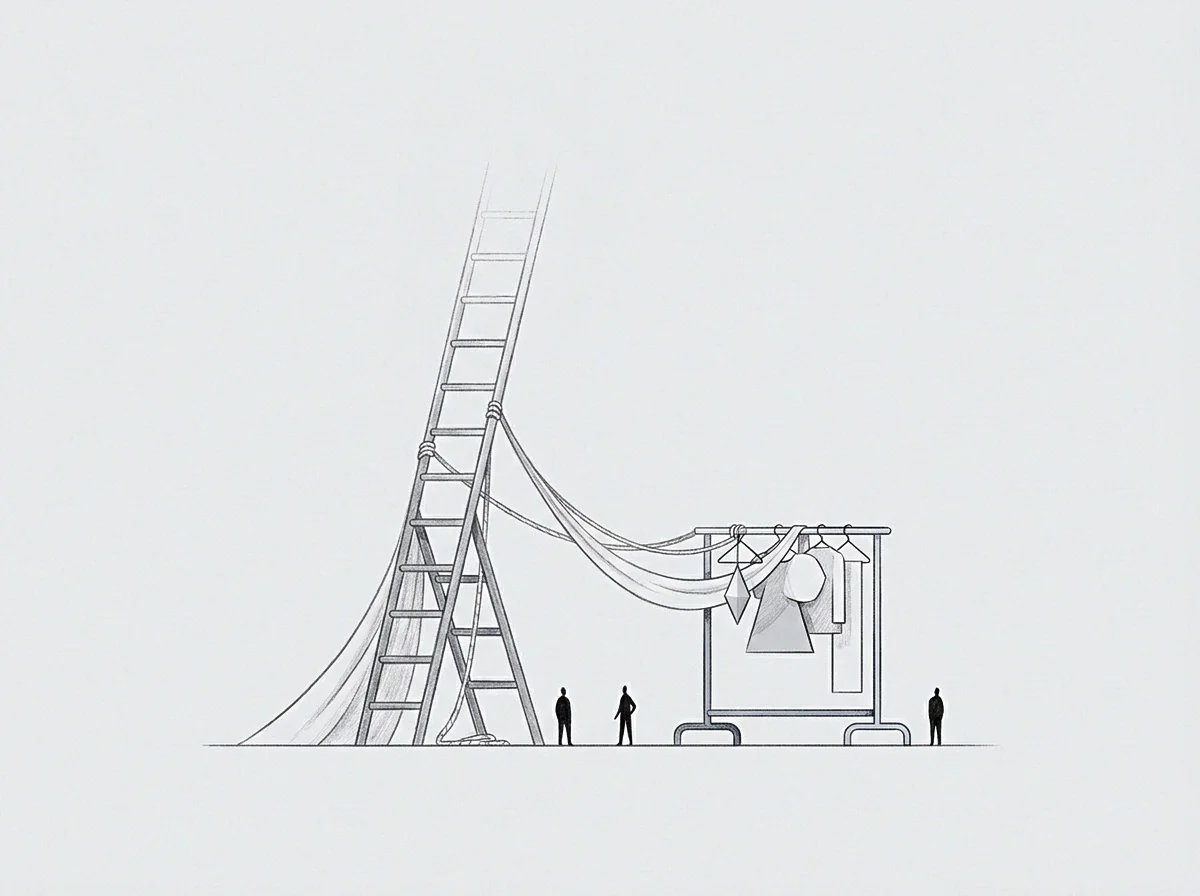
Gradual loss of net profitability per unit occurs when cost increases outpace realized price adjustments across product lines. The ongoing process of margin erosion reduces the spread between production expense and net collected revenue. It acts as a negative gradient that compresses enterprise cash flows over time.
Leaders track this metric to locate hidden cost inflation before operating profits collapse.
Price Compression
Competitive pressure and market saturation force sales teams to grant discounts or absorb rising vendor input costs. As margin erosion proceeds, unit economics deteriorate even while gross sales volume appears stable or growing. This divergence masks underlying financial health if executive teams focus exclusively on top-line revenue figures.
Pricing recalibration and vendor renegotiation serve as primary mechanisms to halt unit margin decay.
Cost Leakage
Unmonitored operational overhead and subtle supply chain inefficiencies compound over successive production cycles. When unexpected freight surcharges or labor overages accumulate, margin erosion accelerates quietly across lower-tier product categories. Granular cost accounting identifies specific cost pools that breach budgeted targets.
Re-establishing baseline expense limits halts compounding profitability loss.
Threshold Limit
Operating thresholds define the minimal profit margin required to sustain debt obligations and essential research investments. Breaching this boundary forces fundamental restructuring of corporate cost structures.