
Calibrating Systemic Energy Costs During Inversion Dynamics Along High Friction Operational Boundary Wall Coordinates
Systemic inversion along operational boundaries shifts compute from retrieval to active calculation, escalating energy expenditure as friction coordinates absorb velocity.
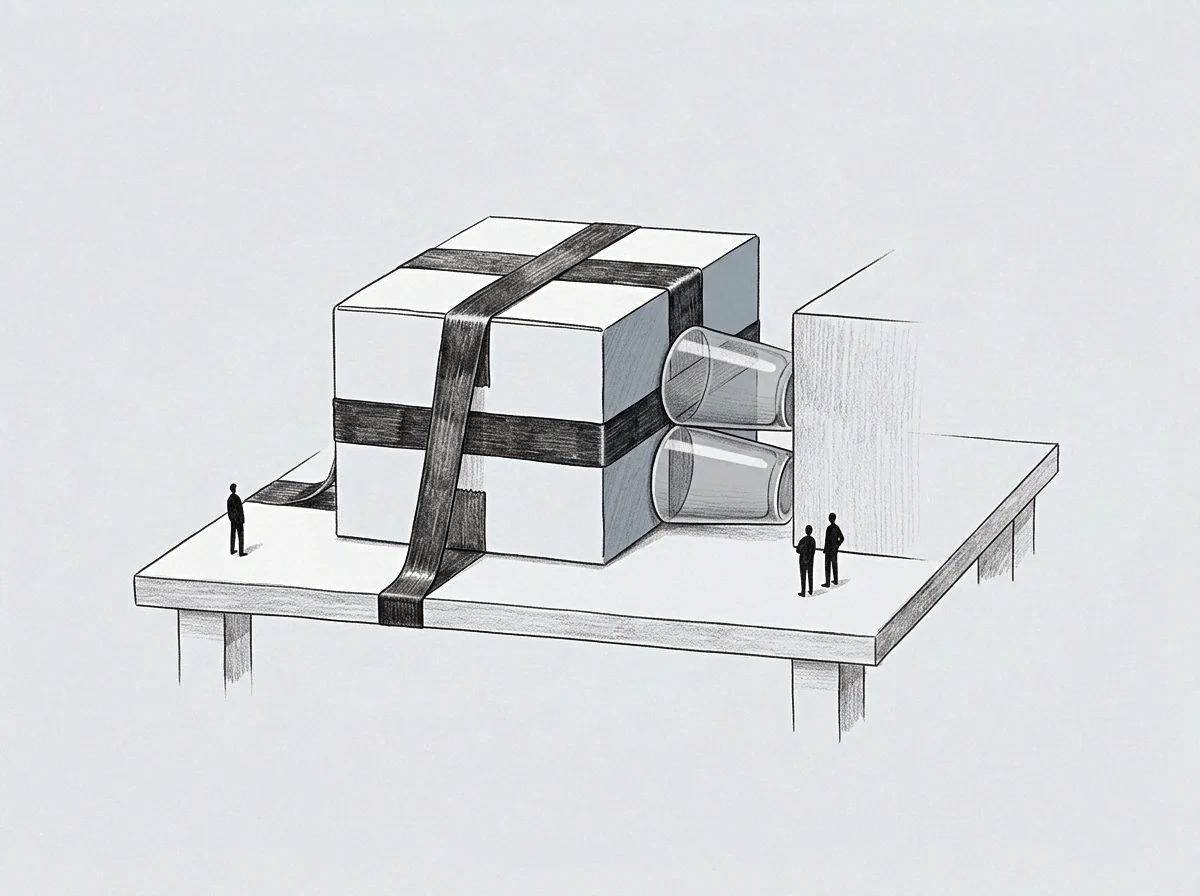
Block
Thirty minutes into a board review, an enterprise contract stalls over an unstated compliance clause. The engineering team has built the system on the assumption of open API access, while the enterprise buyer enforces a strict isolated tenant model. Converting the existing codebase demands three thousand engineering hours, effectively halting product expansion for two quarters.
The team attempts to push through the integration by force, working double shifts to refactor access controls while keeping legacy pipelines alive. Within six weeks, throughput drops by half, bug rates triple, and two principal developers resign. The system holds.
Every operational system encounters points where its underlying assumptions meet fixed external operational limits. These coordinates mark the boundary of the existing system model. The friction generated at this perimeter is not random resistance.
It measures the exact distance between how the system assumes the world operates and how the environment actually behaves. Operational boundary wall coordinates define the explicit perimeter where routine execution halts and structural transformation becomes mandatory.
Systemic energy expenditure remains stable as long as operations execute within established boundaries. Within these parameters, the system relies on stored operational routines, clear delegation rules, and known execution pathways. Energy costs stay proportional to output volume.
When an operational line strikes a boundary wall, this linear relationship breaks down instantly. Continuing forward along the original trajectory against a high friction boundary wall drains capacity without producing forward movement.
Systemic friction along an operational perimeter measures the exact structural divergence between internal model assumptions and real environmental constraints.
The founder frequently misinterprets this boundary encounter as a temporary execution bottleneck. The standard response involves escalating effort, increasing capital deployment, or demanding higher operational intensity from the team. This response assumes that the boundary can be breached through brute force.
High friction boundary walls consist of fixed realities: regulatory mandates, physical limits of underlying infrastructure, or hard counterparty constraints. The limit is physical.
When continuous forward movement along the current vector becomes impossible, the system experiences a forced pause. The energy applied against the immovable boundary redirects inward, creating severe internal pressure. This accumulation of trapped force triggers structural stress across team capacity, individual attention, and financial reserves.
Attempting to force forward movement against a verified operational boundary wall depletes system reserves while leaving the underlying friction coordinates completely unchanged.
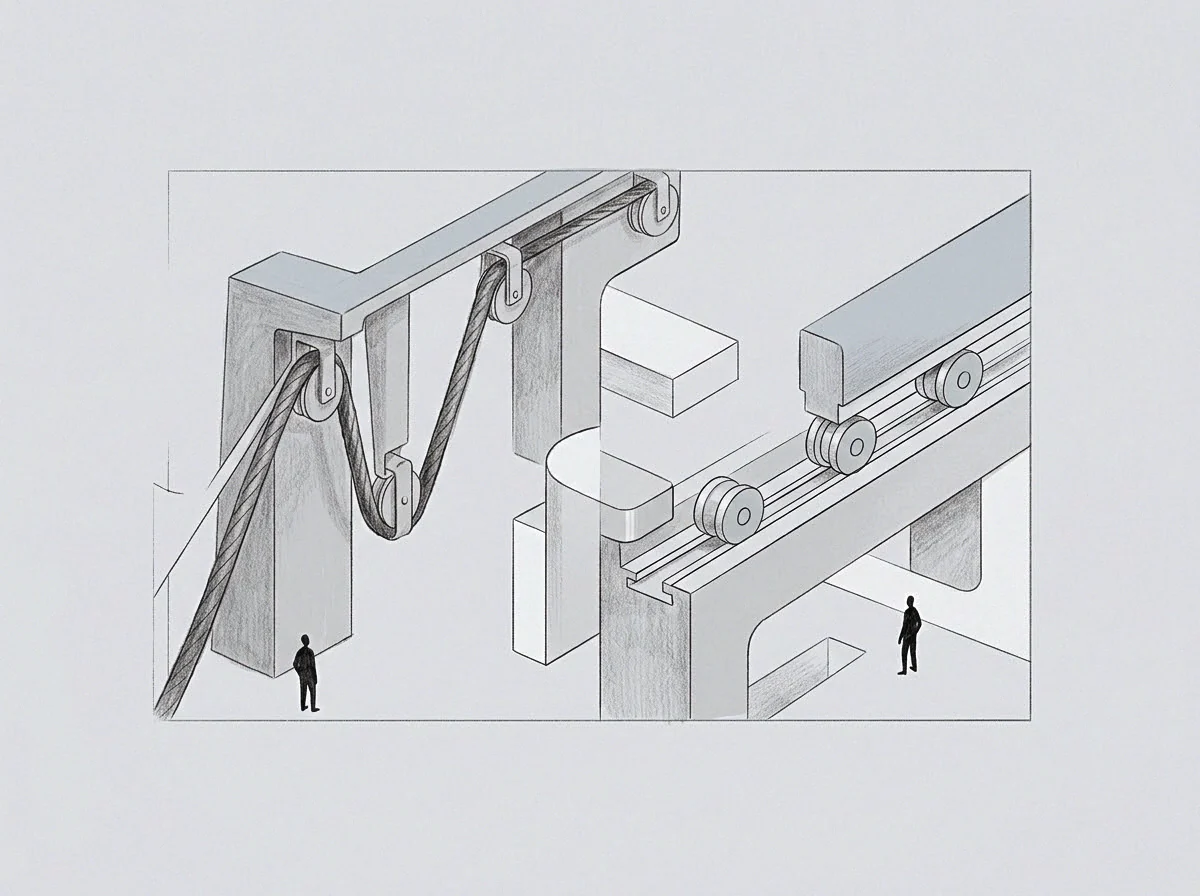
Load
Energy Expenditure Along Static Models
A static operational model relies on retrieval. When an organization operates within familiar parameters, employees perform tasks by accessing existing mental scripts, standardized protocols, and established communication channels. Computation costs time.
The human brain consumes minimal glucose when executing automated routines, and organizational energy metrics remain steady. Under these conditions, the baseline systemic energy cost reflects simple administrative throughput.
The moment an operational trajectory strikes a high friction boundary wall, retrieval mode fails instantly. Retrieval fails immediately. The existing scripts provide no answers for an unyielding obstacle.
The organization must shift from low energy retrieval to high energy active computation. Active computation requires individuals to process novel parameters, evaluate unseen variables, and construct original operational sequences under direct time pressure.
| Processing Mode | Primary Energy Mechanism | Low Friction Coordinates | High Friction Coordinates |
|---|---|---|---|
| Retrieval Processing | Pattern matching and script execution | Minimal capacity drain with high predictability | System stall due to pattern mismatch |
| Active Computation | Original logic formulation under constraint | Moderate energy rise with bounded scope | Rapid capacity exhaustion and elevated error rates |
| Inversion Dynamic | Directional reversal of foundational assumptions | Controlled operational pivot | Severe systemic energy spike across all layers |
Active computation along a boundary wall carries an exponentially higher systemic energy cost than routine execution. Information processing theory demonstrates that cognitive load spikes when individuals manage ambiguous input while attempting to suppress habits. At the organizational level, this manifests as endless alignment meetings, overlapping task forces, and conflicting priorities.
The energy cost multiplies because every team member must recalculate their operational coordinate system simultaneously.
Active computation under high boundary friction drains operational capacity up to ten times faster than script execution within established limits.

Computation Spikes During Directional Reversal
Inversion dynamics represent the formal process of reversing direction along an operational vector. Rather than attempting to breach the boundary wall, the system executes a turn, dismantling foundational assumptions to align with the perimeter constraints. This inversion forces the organization to discard accumulated work, abandon validated technical architecture, and renegotiate counterparty terms.
The vector shifts.
The total systemic energy cost during an inversion dynamic consists of three distinct components: processing cost, friction loss, and structural inertia. Processing cost represents the pure cognitive and analytical energy necessary to compute the new directional vector. Friction loss measures the energy dissipated through counterparty resistance, public reputation drag, and contractual penalties along the boundary wall coordinate.
Structural inertia describes the force required to halt existing operational momentum before backward motion can commence.
Friction absorbs velocity. Calculating these energy costs demands precise calibration rather than subjective intuition. Organizations that fail to anticipate the computational spike during inversion dynamics consistently run out of operational runway before the turn is complete.
The exact point where unspent capacity equals the cumulative cost of inversion defines the survival threshold of the organization. Operating beyond this coordinate without reducing operational friction guarantees structural failure.
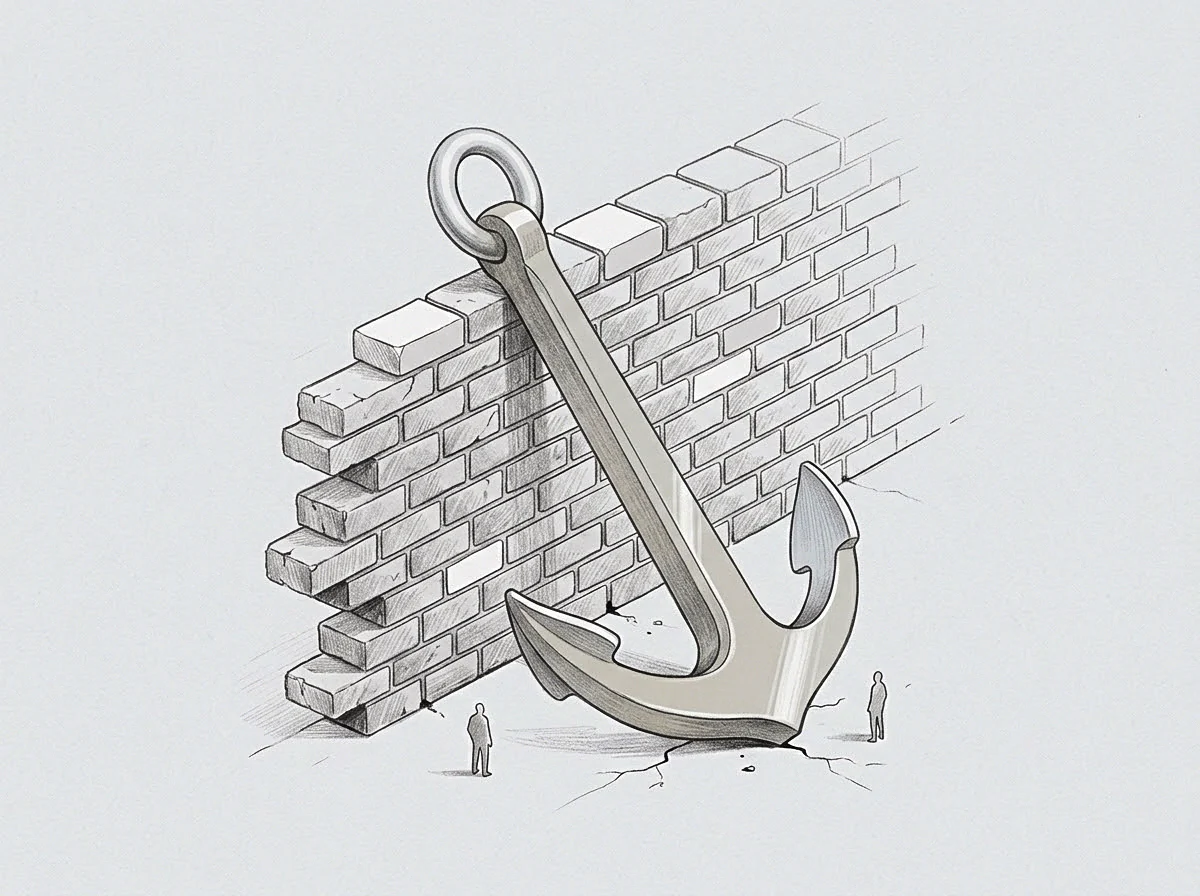
Turn
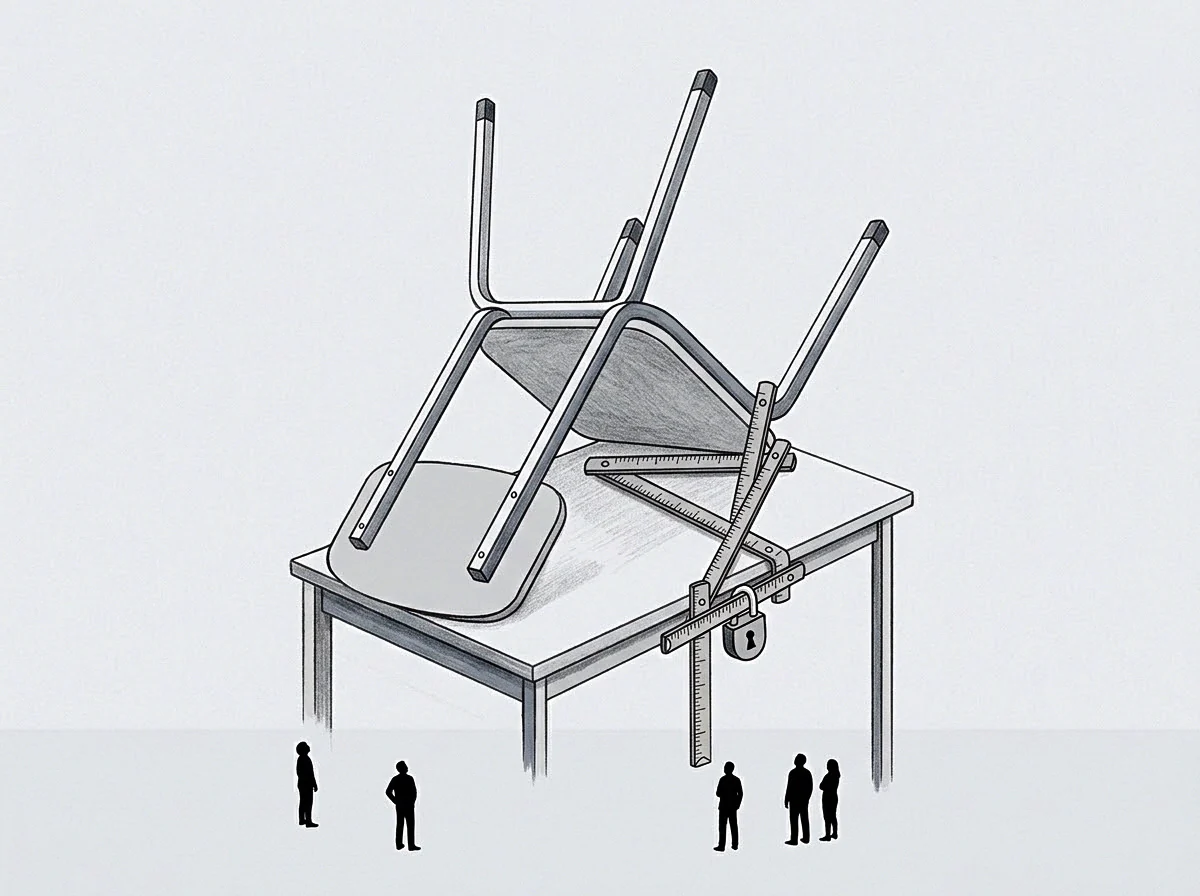
When Does Boundary Resistance Exceed Inversion Yield?
Executing a turn along a high friction boundary wall demands a clear baseline measurement of latent energy potential. When an organization reverses its operational direction, it moves against the accumulated weight of its past choices. This directional turn creates immediate friction with internal staff, long standing clients, and external investors who remain invested in the original trajectory.
The counterparty waits.
The gradient of resistance steepens as the inversion dynamic deepens. In early stages of directional reversal, the system experiences minor friction through administrative adjustments and localized renegotiations. As the turn reaches foundational core assets, resistance escalates sharply.
The team encounters unprocessed emotional weight, strategic confusion, and operational paralysis. Avoidance becomes the primary marker of hidden systemic cost.
- Unprocessed Technical Debt Accumulated architectural shortcuts that prevent fast code base refactoring during directional reversal.
- Relational Friction Vectors Unstated partner commitments and covert contracts that generate friction when priorities flip.
- Capital Misallocation Lock Bound financial resources anchored in legacy assets that cannot be liquidated to fund active computation.
- Operational Model Atrophy The degradation of execution discipline caused by prolonged attempts to brute force an unyielding wall.
A system routes around what it cannot compute. When an operator avoids addressing a specific boundary coordinate, unprocessed material accumulates behind that avoidance. The magnitude of the avoidance corresponds precisely to the energy cost required to execute the turn at that specific coordinate.
Ignoring the coordinate does not reduce the cost. The unspent volume of avoidance continues to press against the operational boundary, increasing internal systemic pressure until the perimeter ruptures.
Avoidance along an operational coordinate marks the precise unspent volume of structural cost required to execute an inversion.
During an inversion dynamic, the counterparty reads the operational slowdown not as a necessary strategic recalculation, but as a total failure of organizational capability. The counterparty demands immediate compliance with original expectations or seeks contractual remedies for breach. This external pressure increases boundary friction precisely when internal energy reserves reach their lowest point.
The boundary holds.
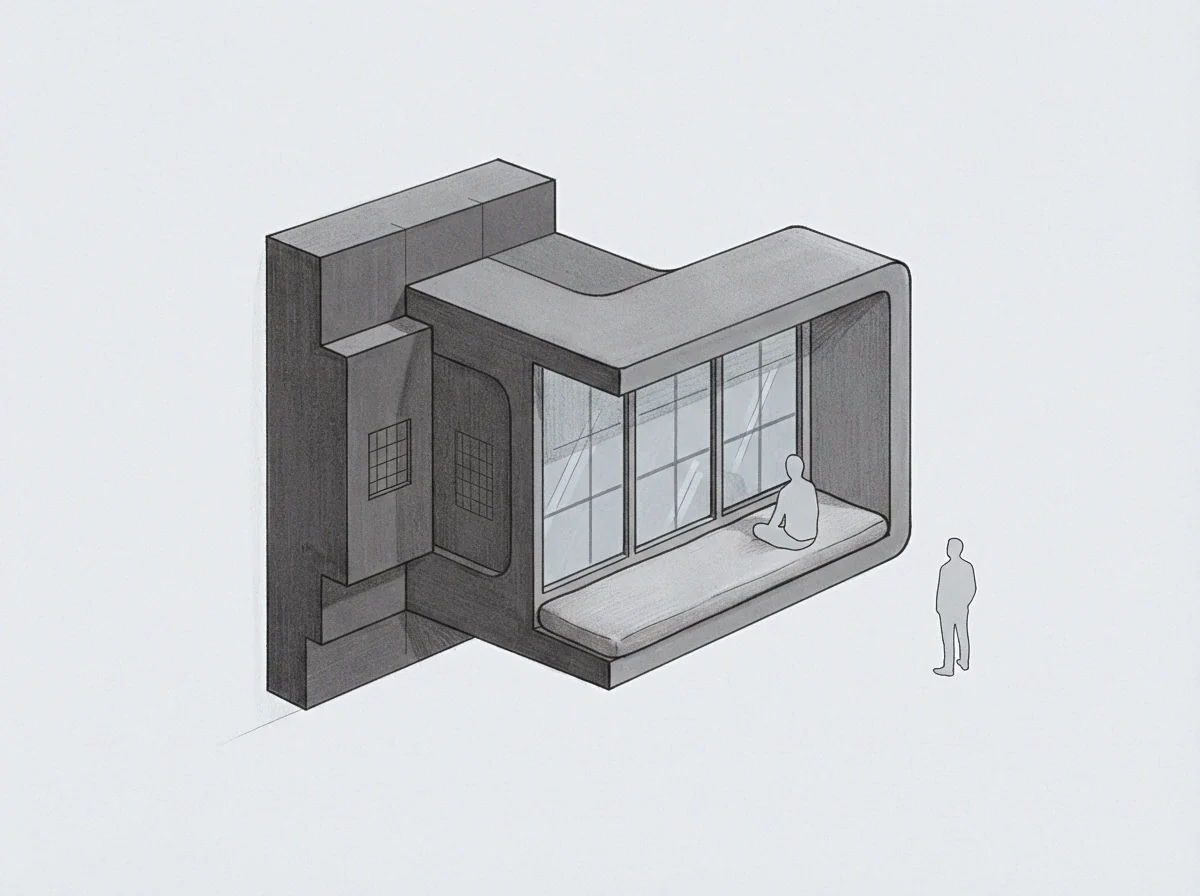
Gate
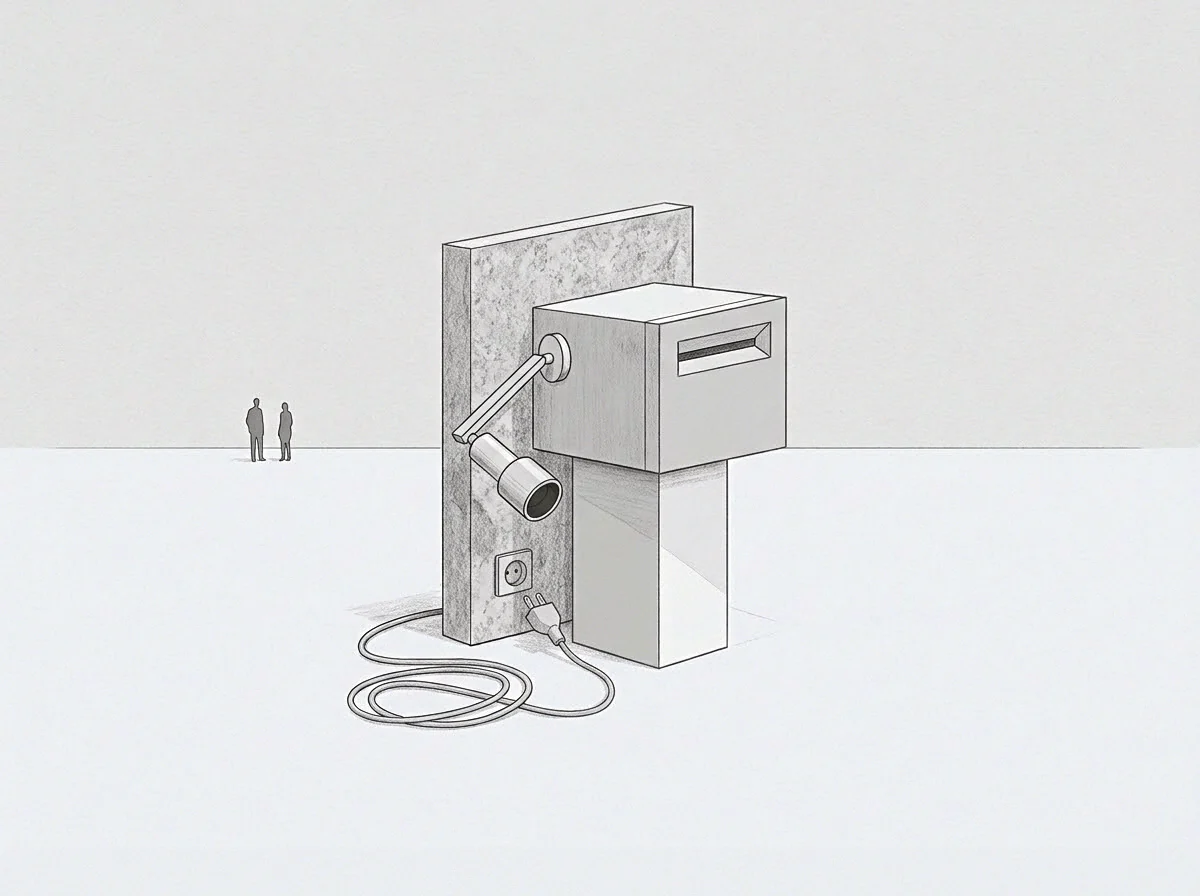
Coordinate Markers and Avoidance Vectors
Tracking systemic energy costs requires defining exact operational coordinates along the boundary wall. These coordinates serve as diagnostic gates, identifying whether energy expenditure produces directional movement or dissipates as sheer friction. A gate acts as a non-negotiable filter: operational velocity either passes through under calculated cost or stalls entirely at the perimeter.
Systematic calibration relies on monitoring the delta between expected resource consumption and actual progress along the boundary wall. When progress halts while resource consumption accelerates, the system has entered an avoidance loop. The model breaks.
- Identify the specific boundary wall coordinate where forward velocity reached zero.
- Measure the duration of high energy computation expended without structural movement.
- Calculate the unspent potential volume locked behind the avoided operational turn.
- Establish the minimum energy threshold required to pass the gate safely.
The threshold calculation depends heavily on distinguishing between necessary operational computation and energy wasted in cognitive drag. Necessary computation produces actionable parameters for the turn, while cognitive drag consists of speculative debating and repetitive scenario modeling. Energy leaves the system.
An operational gate filters system energy by enforcing explicit structural conditions before allowing directional velocity to resume.
A persistent failure at an operational gate indicates that the current model lacks the structural capacity to absorb the inversion cost. The organization must decide whether to adjust the boundary coordinates through external renegotiation or to halt operations entirely at that specific node. How long can an organization sustain active computation at an impassable gate before total systemic exhaustion occurs?

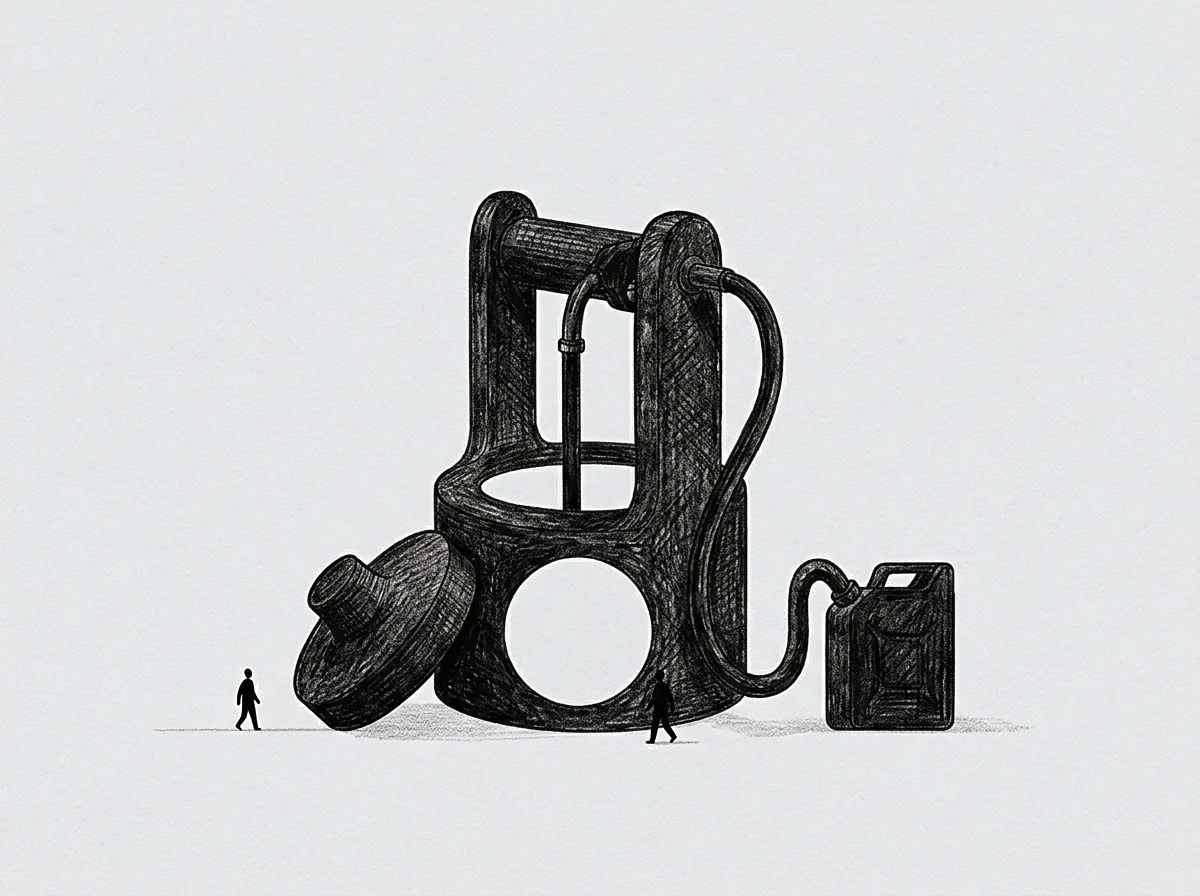
Gauge

Baseline Recalibration Along The Boundary
Calibrating energy costs along a high friction operational boundary wall requires an objective, unyielding measuring instrument. The gauge represents the operational baseline against which all energy expenditures, velocity shifts, and directional turns are measured. Without a fixed baseline, operators inevitably rely on subjective optimism, mistaking heightened activity for meaningful progress.
Capacity dictates output.
Recalibrating the baseline begins by isolating value as an objective axis. Value is not a vague feeling of strategic alignment or potential future yield. On this desk, value is the primary coordinate axis from which every operational gradient is directly derived.
The gradient measures the rate of change of energy cost relative to value output across the operational boundary. Because the gradient is computed mathematically from the value axis, it carries no moral rating or subjective praise. The slope simply exists.
When the gradient is flat, forward energy expenditure yields zero movement along the value axis. When the gradient turns negative, continuing the current operational path actively destroys existing systemic capacity. Recognizing a negative gradient allows the founder to compute the path of least resistance as a simple descent.
Ascent demands active computation, while descent follows natural physical contours. Descent is not structural failure. Descent is the path of minimal friction under existing constraints.
Mirroring the negative gradient above the baseline reveals the exact latent potential available within the organization. This unspent potential represents an unspent volume of equal magnitude and opposite sign to the energy dissipated in avoidance. By reading the mirrored gradient, the operator identifies where capacity sits unused behind unstated limits and avoided conversations.
The baseline moves.
Calibrating systemic energy along an operational boundary converts subjective friction into a precise mathematical vector of latent capacity.
Systemic recalibration finishes when the operational model is adjusted to match the verified boundary coordinates. The founder accepts the boundary wall as an absolute parameter of the current environment, stops brute force forward movement, and executes the inversion dynamic with full energy allocation. The system stops routing around its unprocessed material and passes through the boundary coordinate with calibrated, measurable velocity.
Inversion costs stay lowest when directional adjustments occur before boundary friction completely drains systemic capacity.