
Cross Tier Vector Alignment in Operations
Cross tier vector alignment measures directional agreement across operational layers to prevent local optimization from degrading enterprise displacement.

Strata
Operational velocity within an isolated organizational unit often masks systemic divergence across the broader hierarchy. Executive direction establishes a primary heading, yet intermediate operational layers reinterpret that heading to suit localized operational constraints. When middle leadership translates long-term strategic intent into quarterly operational throughput, minor angular variations emerge.
These variations compound across consecutive organizational boundaries. The resulting scalar work output appears robust on internal department dashboards, while the net displacement of the enterprise relative to its strategic target remains negligible.
Value operates as the baseline axis against which operational direction is evaluated. Each structural layer calculates its local descent gradient based on immediate operational friction rather than global strategic positioning. Upstream executive teams design vectors intended to maximize enterprise value over extended time horizons.
Downstream execution teams experience those vectors as daily workload assignments, reshaping them along the path of least resistance. Friction absorbs available capacity. Without explicit cross-tier coordinate tracking, the direction taken by tactical units drifts away from the intended strategic vector.
When scalar output increases while cross-tier direction diverges, systemic yield drops despite higher local resource expenditure.
The total vector divergence between strategic design and frontline execution represents unprocessed organizational friction. When operational tiers operate without synchronized spatial coordinates, individual teams optimize local loss functions. An engineering group accelerates code deployment velocity while a commercial team scales client acquisition in an incompatible segment.
Both units record high performance metrics. The enterprise, however, absorbs the structural friction of reconciling mismatched outputs. Errors accumulate at boundaries.
Miscalculating this directional scalar leaves the enterprise paying for high operational effort while producing zero net displacement toward its stated objective.
Ledge
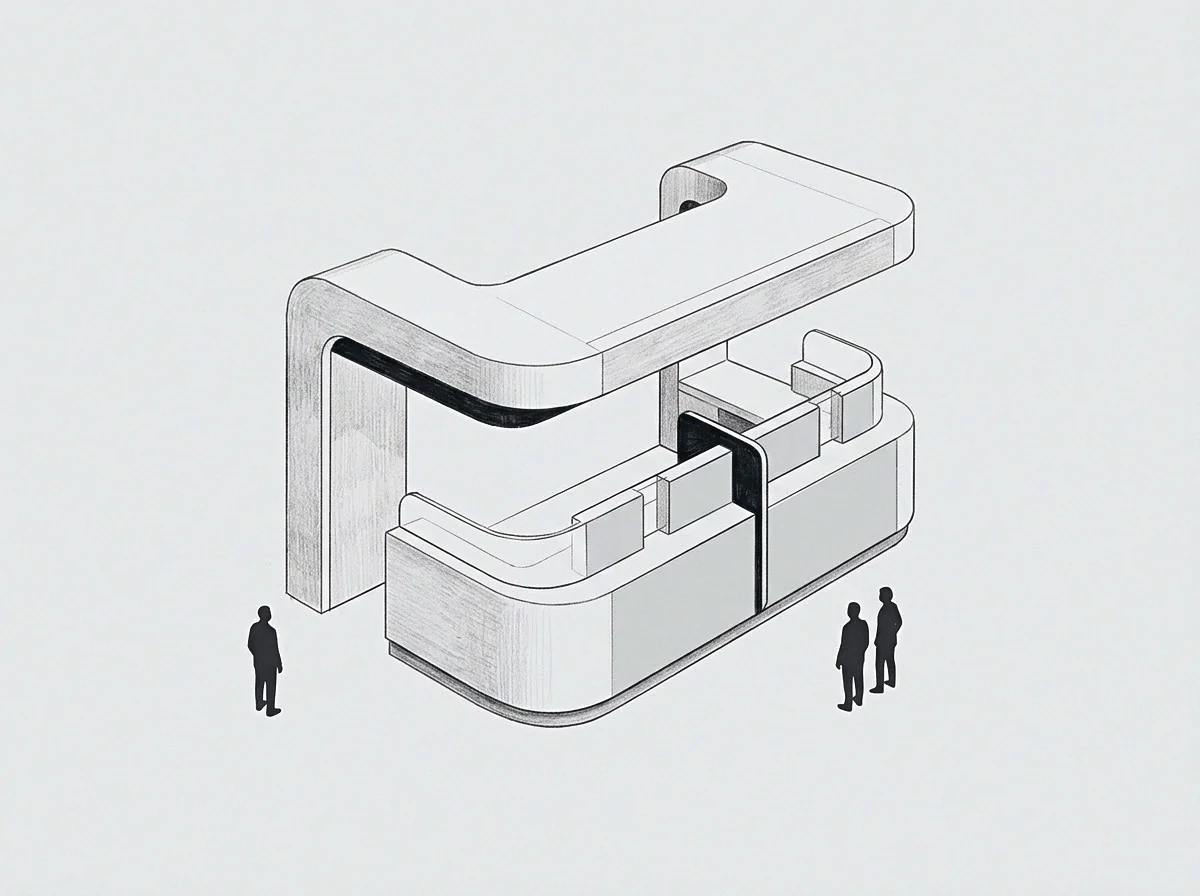
Interface boundaries between organizational layers function as structural ledges where unprocessed operational friction accumulates. Consider a product organization operating with two primary business units across sixty software engineers over a nine-month delivery window. Executive directives mandate the construction of modular platform architecture to support future multi-tenant scale.
Frontline engineering leads face immediate system outage logs and unresolved client support queues. The immediate pressure forces operational teams to route energy around the modular architecture mandate, prioritizing short-term bug fixes to maintain daily uptime.
The unspent strategic volume sits at the tier boundary, visible only when comparing top-level capacity allocation against frontline code commits. Strategic direction requires explicit coordinates. When intermediate leaders receive high-level strategic objectives without explicit operational conversion protocols, they construct covert priority systems.
These covert systems protect local throughput while allowing strategic initiatives to stall without explicit rejection.
- Vector attenuation occurs when strategic directives lose scalar force as mandates pass through intermediate operational layers toward execution.
- Coordinate translation drift alters strategic intent into competing functional targets across adjacent operational teams, creating structural misalignment over time.
- Latent execution resistance accumulates when frontline operators silently route around ambiguous strategic mandates to maintain local short-term throughput metrics.
Local targets obscure systemic drift. The volume of work avoided at tier boundaries reveals the exact boundary of the current operational model. When frontline units consistently bypass strategic platform architecture in favor of localized patches, the refusal signals that the cost of execution exceeds available operational capacity.
The structural gap cannot be resolved by demanding higher adherence to top-level directives. The gap resolves only when cross-tier vectors are re-anchored to reflect true execution costs at the operational interface.
Unstated operational terms force intermediate teams to construct covert priority systems that bypass strategic directives.
Metrics stay green. Intermediate managers report high activity levels while strategic initiatives remain entirely unfulfilled at the delivery layer. The target was met on schedule, but the delivered product addresses none of the strategic priorities named in the initial plan.

Margin
Discrepancies across organizational tiers emerge primarily because metric evaluation systems reward localized friction reduction over global alignment. Strategic goals set at executive levels lose coherence when measured through tactical metrics designed solely for localized throughput.
Why Do Local Metrics Diverge Across Tiers?
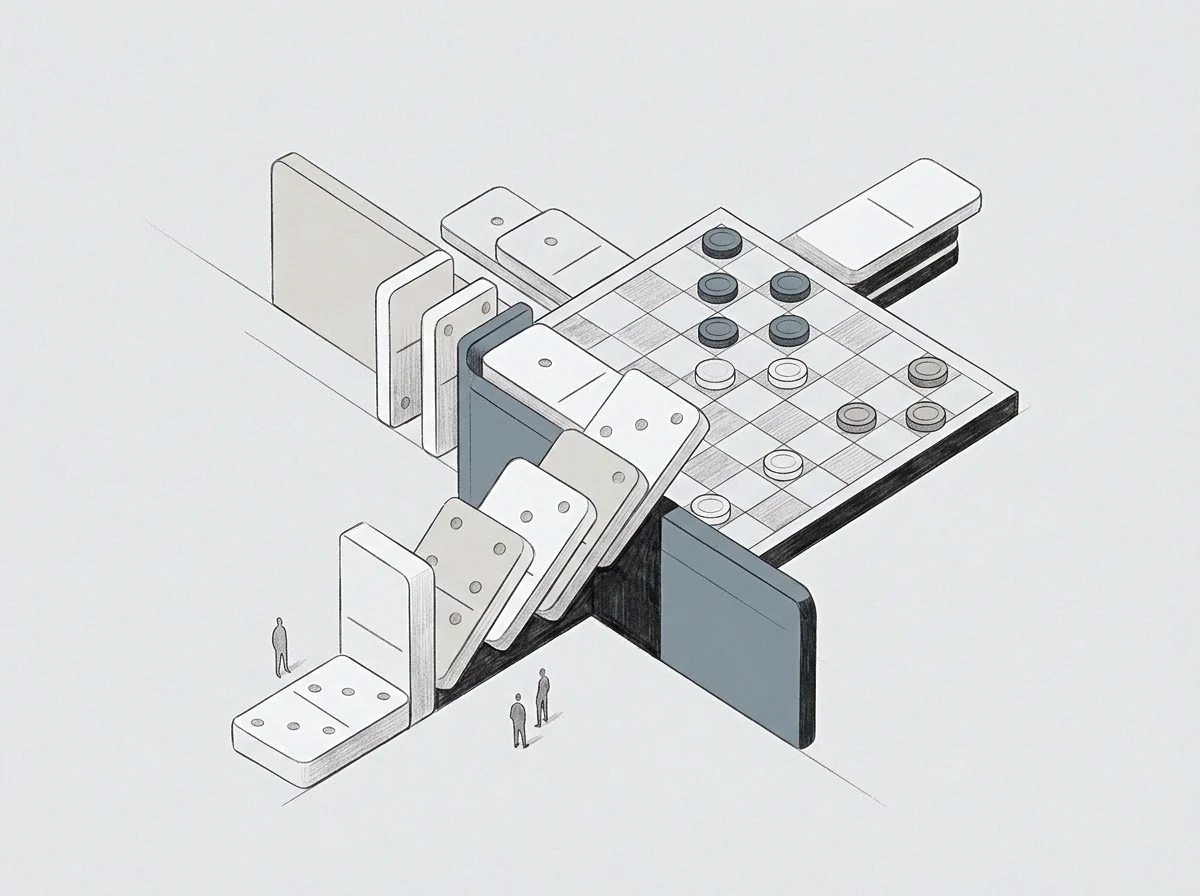
Local operational units optimize for immediate stability within their visible scope. An operational unit evaluated on ticket resolution count routes around complex cross-departmental platform dependencies to close simpler localized tasks. The local metric reflects maximum efficiency, while the cross-tier operational vector breaks down entirely.
Discomfort at the interface boundary indicates active computation of alignment costs. When cross-tier coordination demands resources, local units reject external alignment to protect internal target scores.
| Operational Tier | Vector Objective | Primary Distortion Mode | Alignment Cost Driver |
|---|---|---|---|
| Executive Tier | Strategic Horizon Expansion | Temporal Compression Bias | Capital Allocation Lag |
| Management Tier | Operational Capacity Balancing | Local Metric Shielding | Interface Friction |
| Execution Tier | Task Completion Velocity | Path of Least Resistance Routing | Context Disconnect |
Structural Boundaries and Error Coordinates
Systemic misalignment manifests as recurring operational errors along boundary lines. Each error pinpoints a specific coordinate where top-level directives fail to account for execution constraints. When executive teams mandate rapid market expansion without updating frontline operational capacity, execution teams experience an artificial throughput demand.
Capacity drops rapidly. The resulting operational failures provide precise data regarding model boundaries.
Operational boundaries show where processing halts and covert negotiation begins.
Documenting boundary failure coordinates enables operators to adjust cross-tier vector angles before structural friction depletes operational capacity. Direction dictates ultimate yield. Adding an explicit vector reconciliation clause to quarterly operating commitments shifts structural reviews from backward reporting to forward path alignment.

Tether
Maintaining cross-tier alignment across fluctuating market conditions demands explicit feedback mechanisms tied to setpoint controls. Without structural tethers, natural operational drift pulls execution vectors back toward local paths of least resistance. Vector tracking systems observe directional deviations early, enabling adjustments before misalignment consumes organizational resources.
The delta remains positive. Systemic stability depends on establishing clear quantitative boundaries between strategic planning loops and tactical execution cycles.
- Establish a single cross-tier baseline that records input resources alongside directional displacement.
- Measure vector divergence at bi-weekly intervals by comparing projected task outputs against upstream strategic intent.
- Adjust operational setpoints when directional scalar deviation exceeds the established tolerance limit.
- Convert interface errors into explicit boundary updates that redefine operational scope across adjacent tiers.
Quantifying Alignment Deltas
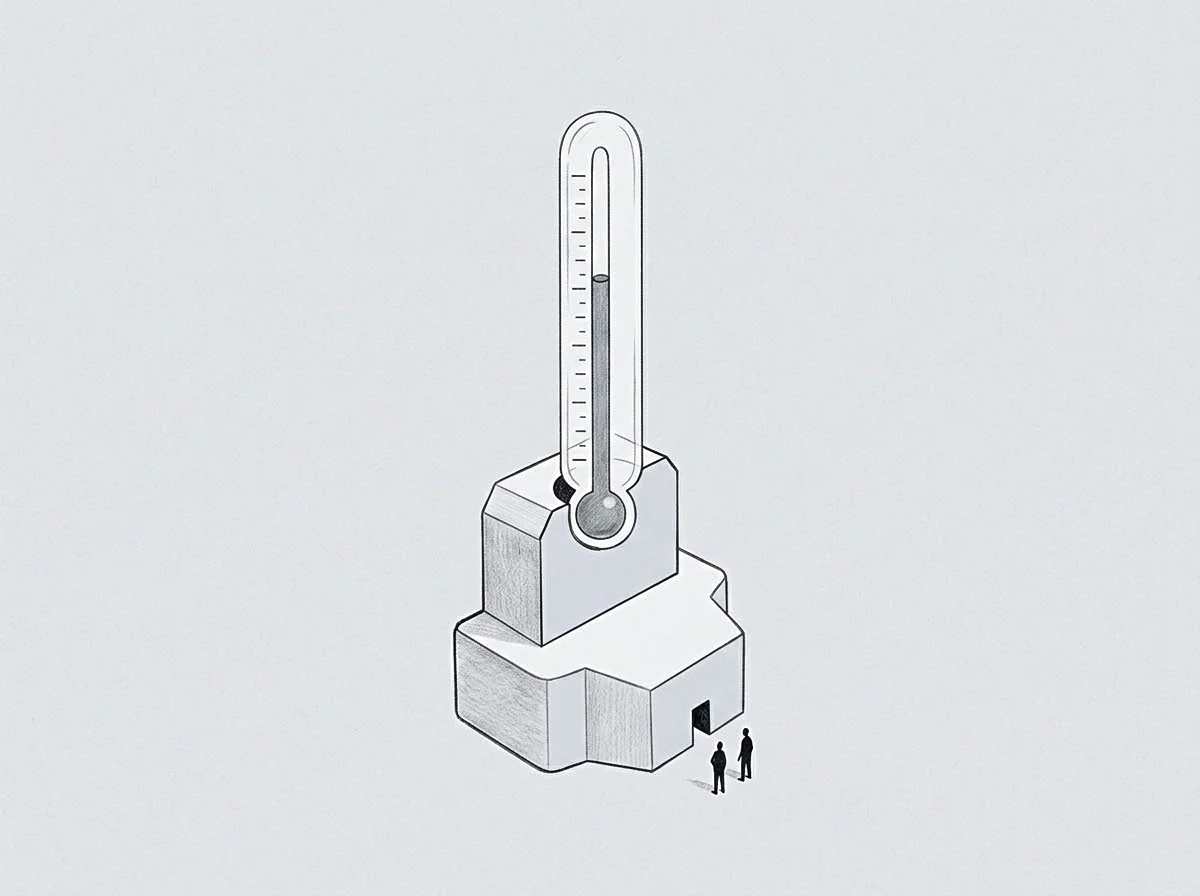
Evaluating the distance between strategic vectors and operational outputs yields a clear measurement of structural alignment. The calculation compares the intended angle of progression against actual resource displacement. Friction consumes unspent energy.
When the mathematical dot product of executive intent and frontline execution falls below defined setpoints, system controls trigger explicit vector recalibration.
Systems left without explicit cross-tier feedback default to local energy minimization.
Regular recalibration prevents minor angular deviations from turning into structural operational fractures. The vector turns. Alignment improves when operational interfaces measure displacement rather than activity.

Anchor
Systemic convergence requires anchoring cross-tier operational vectors to verifiable physical displacement. Relying on self-reported operational progress creates artificial alignment metrics that collapse under commercial stress. The model breaks under stress.
True alignment manifests when resource allocation, daily execution tasks, and strategic goals maintain identical directional angles across all tiers.
Continuous realignment introduces predictable computational overhead, consuming capacity that teams might otherwise direct toward immediate output. This capacity expenditure represents the necessary cost of structural coherence. Organizations that attempt to eliminate alignment overhead end up paying a much higher price through structural drift, duplicated labor, and strategic failure.
The enterprise accepts the energy expenditure required for continuous realignment because unaligned momentum costs far more in lost position.