
Mapping Critical Capability Loss Thresholds During Non-Linear Systematic Downsizing Across Complex Enterprise Structures
Non-linear capability loss occurs when enterprise downsizing removes critical structural nodes, triggering rapid operational failure once internal buffers exhaust.

Lattice
An enterprise operating across multiple business units executes a headcount reduction of thirty percent across all divisions over two quarters. Primary dashboards show immediate payroll savings, while secondary operational metrics remain within historic variance bands for ninety days. Tacit paths carry invisible volume.
By the third quarter, key cross-functional initiatives stall, order processing latency triples, and critical software releases stall without clear procedural bottlenecks. Linear cuts miss structural load. The reduction removed individual roles on the assumption that organizational capacity scales linearly with staff count, ignoring the non-linear dependency web that binds functional capabilities together.
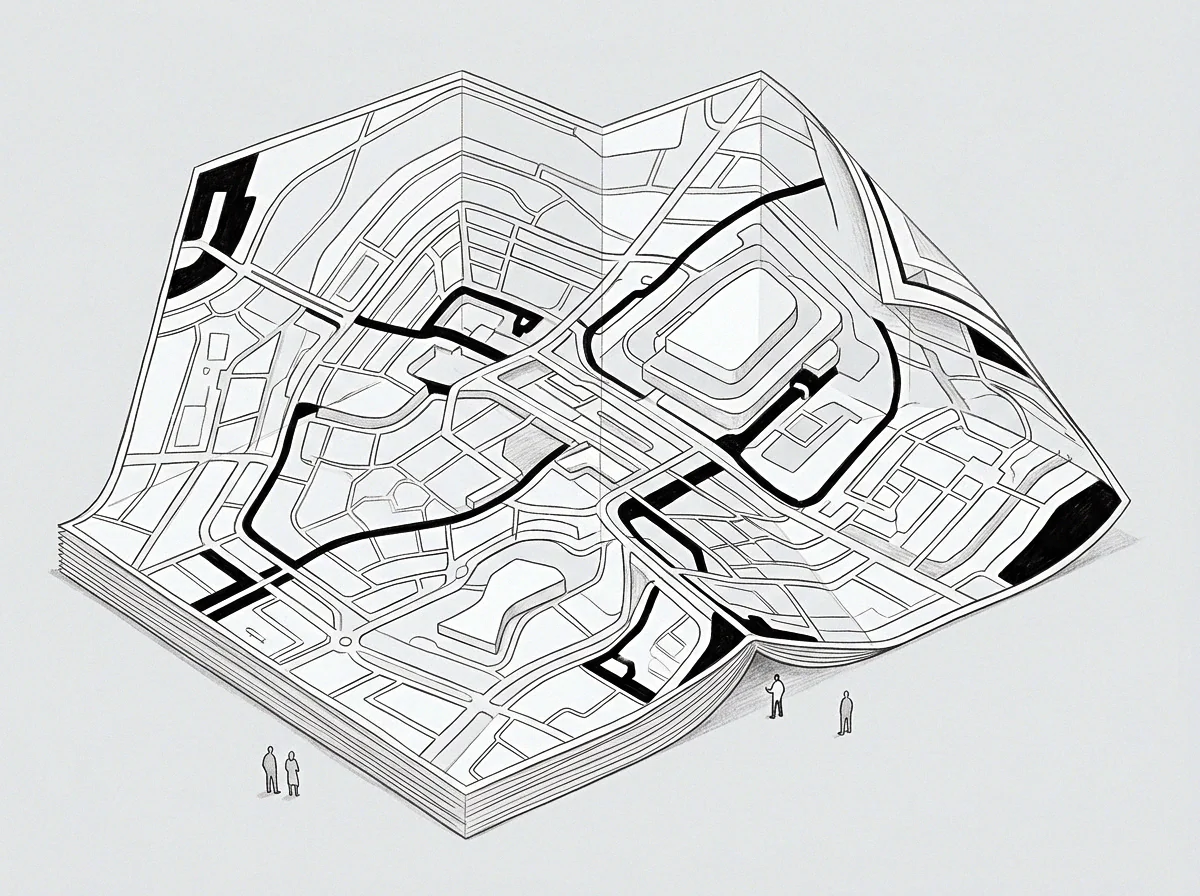
Structural Interdependence Across Enterprise Layers
Complex enterprise structures operate through multi-tiered operational relationships. Individual nodes in these systems perform both explicit procedural tasks and implicit routing functions that connect disparate organizational units. Nodes bind complex architectures.
When systemic downsizing target headcount through uniform percentage targets, the structural lattice supporting critical capabilities breaks unevenly.
The distinction between explicit capacity and structural capability defines why downsizing outcomes routinely diverge from financial models. Explicit capacity measures the total human hours available for documented processes. Structural capability measures the enterprise’s ability to combine knowledge, authority, and execution paths across organizational boundaries to produce non-standard outcomes.
Capacity is not capability. Reducing capacity by twenty percent can eliminate eighty percent of structural capability if the removed roles served as unique information bridges between functional silos.
Linear Reductions and Geometric Friction
Downsizing models frequently assume that workload scales directly with headcount, allowing remaining staff to absorb residual tasks. In networked organization models, communication pathways scale quadratically with team size. Removing structural nodes forces existing pathways to re-route informally, increasing the operational overhead required to initiate actions across departments.
Systemic capacity reductions erode enterprise capabilities non-linearly whenever headcount targets overlook implicit coordination pathways.
A functional unit stripped of its key operational bridges experiences immediate geometric friction. Operational staff spend an increasing fraction of daily working hours establishing context, negotiating cross-departmental priorities, and clarifying handoffs that were previously handled through established informal networks. The resulting slowdown appears gradually on operational reports, masking the underlying destruction of systemic bandwidth until processing queues overflow.
Executives who evaluate downsizing targets through simplified cost-per-head metrics inevitably degrade the underlying capability matrix. The cost of restoring lost organizational capabilities post-downsizing routinely exceeds the short-term wage savings generated by uniform headcount reductions.
Threshold
Capability loss during downsizing does not follow a continuous downward slope. Instead, it exhibits step-function behaviors characterized by prolonged periods of apparent stability followed by rapid performance collapse. The error signal arrives late.
Organizational systems absorb operational stress by consuming internal buffers, maintaining output volumes long after the underlying capacity to sustain that output has vanished.
The Fallacy of Lagging Performance Metrics
Standard management dashboards rely on lagging indicators such as quarterly output, unit cost, and SLA compliance. These metrics reflect current throughput but fail to measure internal stress or structural exhaustion. Workflows stall without explicit triggers.
Employees compensate for missing colleagues by working overtime, bypassing compliance protocols, or deferring non-urgent preventive tasks.
Metrics measure throughput not resilience. Operational buffers absorb immediate shocks. During the initial phase of systematic downsizing, output appears unimpacted because staff draw down on institutional goodwill and unrecorded exertion.
This temporary stabilization creates a false signal of efficiency, leading leadership to validate the downsizing approach just as the enterprise reaches its tipping point.
Mapping the Step Function Collapse
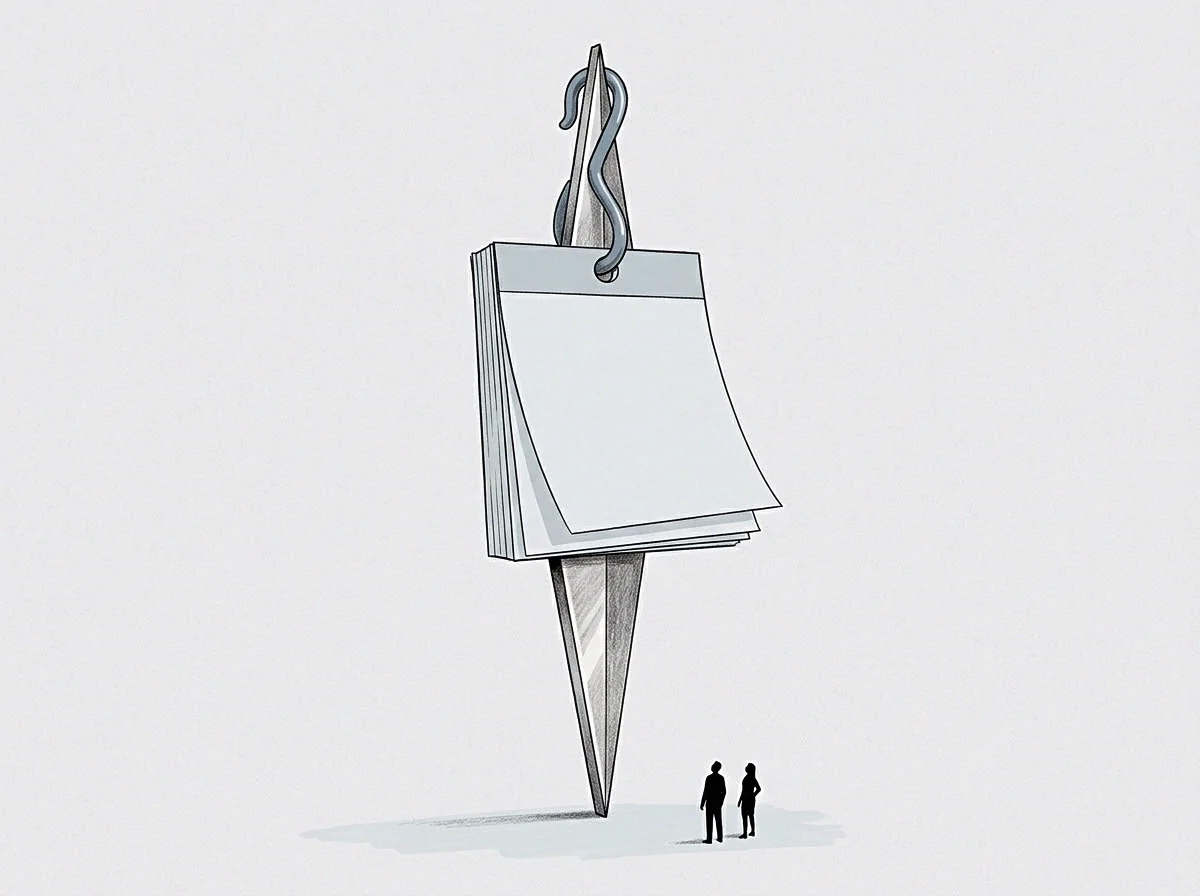
When internal buffers deplete entirely, system capability drops precipitously. Small additional reductions in staff initiate severe operational breakdowns. Systems route around missing roles.
This transition marks the critical capability loss threshold: the precise point where systemic capacity falls below the minimum required to maintain core enterprise functions.
| Downsizing Phase | System Stress State | Observed Metric Behavior | Underlying Structural Condition |
|---|---|---|---|
| Initial Reduction (0-15%) | Buffer Absorption | Output stable; costs decline | Internal buffers consumed; informal overtime increases |
| Secondary Reduction (15-30%) | Tacit Erosion | SLA variance rises; error rates tick up | Informal bridges broken; tacit knowledge lost |
| Threshold Breach (30%+) | Cascade Failure | Throughput collapses; critical stalls emerge | Minimum operational density breached; coordination fails |
Mapping these thresholds requires tracking structural density rather than role counts. Structural density measures the ratio of active coordination links to total operational nodes. When structural density falls below system-specific critical minimums, enterprise workflows break unpredictably across functional lines.
A stability signal generated by lagging performance metrics masks underlying structural exhaustion until internal operational buffers empty.
The term critical capability loss threshold defines the boundary where non-linear capacity degradation turns into systemic operational failure. Operating below this threshold permanently damages enterprise responsiveness until structural bridges undergo explicit rebuilding.
Decay
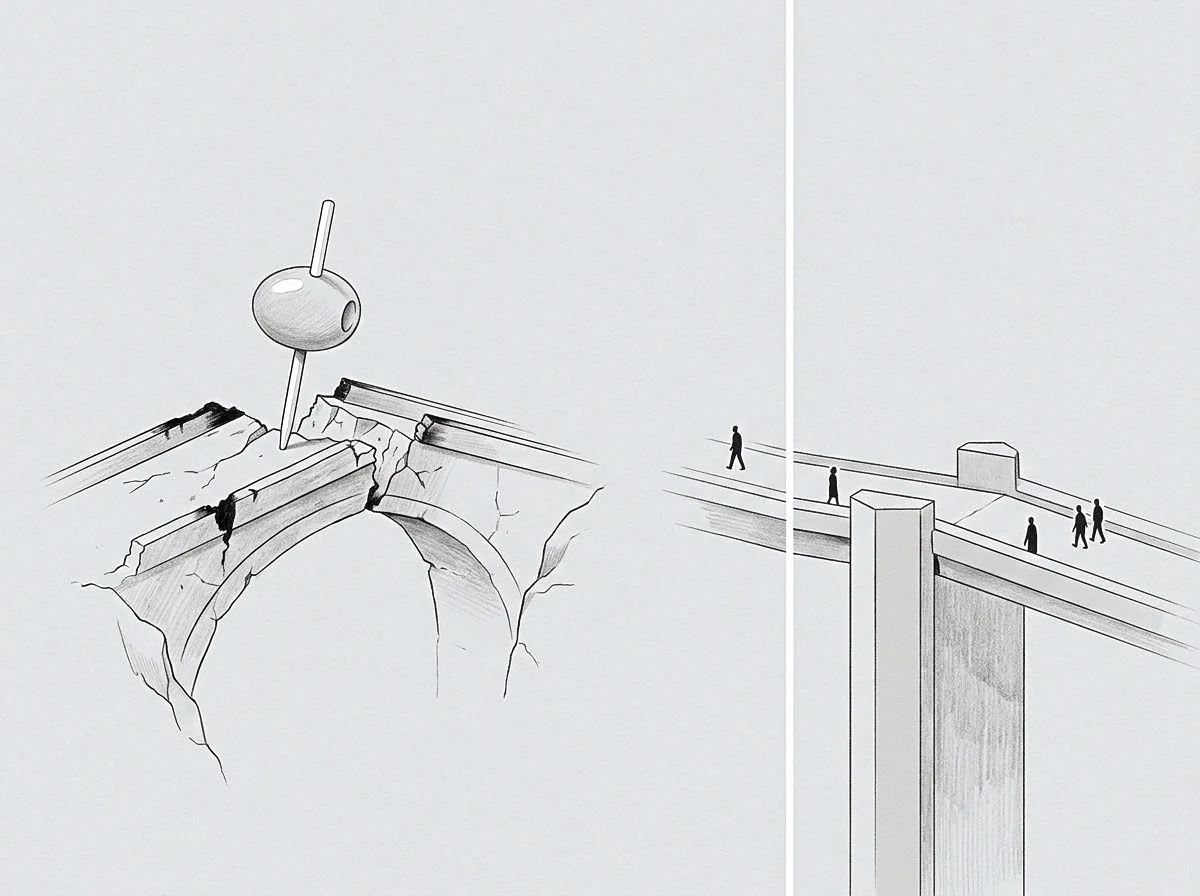
Consider an enterprise software organization removing twenty-five percent of its engineering staff through broad cost-cutting mandates. The firm retains front-line developers and senior department heads but eliminates intermediate technical orchestrators, staff architects, systems integration leads, and release engineers who coordinated build pipelines across sub-teams. Friction escalates quietly across boundaries.
Downstream build times double within ninety days, integration bugs quadrupled, and customer patch delivery cycles stretched from weeks to quarters despite individual developer throughput remaining constant.

Why Does Latent Expertise Atrophy Before Operational Tasks Fail?
Operational tasks are explicit, observable, and measurable. Tacit knowledge leaves no paper trail. When systematic downsizing occurs, documentation, process manuals, and software code remain intact, creating an illusion of operational continuity.
However, the latent expertise required to execute complex problem-solving, navigate unwritten institutional rules, and adapt standard procedures to novel situations resides entirely within experienced staff.
The atrophy of latent expertise proceeds along a predictable timeline following role elimination:
- Loss of domain history regarding historical edge cases and deliberate system architectural choices
- Decline in cross-departmental trust networks that accelerate crisis response
- Disruption of informal mentoring pathways that build operational competence in junior staff
- Erosion of institutional memory surrounding vendor management and regulatory compliance subtleties
Implicit Coordination and Tacit Knowledge Loss
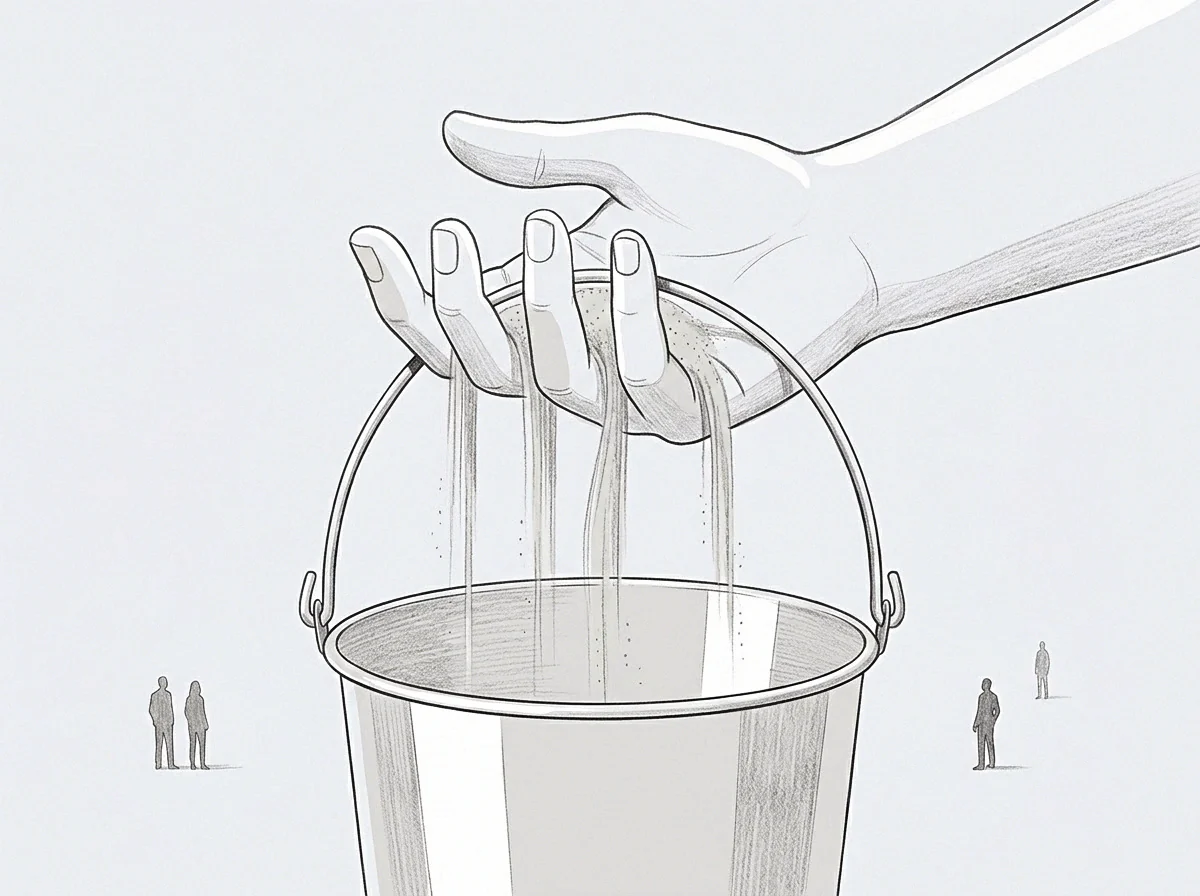
Implicit coordination occurs when team members anticipate each other’s actions and needs without explicit communication, relying on shared mental models developed through prolonged working relationships. Downsizing fractures these shared models. When key personnel leave, remaining employees can no longer rely on implicit predictions, forcing them to convert effortless coordination into explicit, time-consuming administrative exchanges.
- Tacit knowledge displacement removes unwritten contextual awareness required to solve complex operational anomalies efficiently.
- Architectural drift accelerates as incoming or remaining staff modify complex systems without understanding historical design constraints.
- Coordination overhead inflation consumes technical bandwidth as explicit documentation replaces lost informal alignment channels.
- Escalation loop saturation overburdens senior leadership with routine operational decisions previously resolved at lower structural levels.
Structural debt compounds across teams. The enterprise experiences a steady decay in its ability to innovate or respond to market shifts. The business maintains routine operations but loses its adaptive capacity, becoming vulnerable to external disruptions.
When intermediate technical orchestrators are removed, operational throughput drops as informal coordination converts into explicit administrative friction.
The remaining team leads report that while individual execution remains high, getting disparate systems to integrate requires triple the historical meetings and alignment efforts.

Sieve
Preventing catastrophic capability loss during downsizing requires treating the reduction process as a high-resolution structural sieve rather than a broad financial cut. Enterprise leaders evaluate every role based on its position within the capability gradient: the computed axis measuring direct value delivery against systemic coordination load.

Isolating Core Capabilities From Operational Overhead
Isolating core capabilities begins by mapping the actual path of execution for critical value streams. This process maps formal org charts alongside informal communication data, project commit logs, approval chains, and ticket resolution records to identify invisible structural anchors.
A systematic evaluation applies a sequence of analytical steps to preserve structural integrity during headcount adjustments:
- Identify all primary value streams and their minimum necessary execution paths.
- Map implicit information conduits and structural bridge roles across business units.
- Quantify the coordination friction introduced by removing specific network nodes.
- Isolate non-redundant operational capabilities from pure administrative volume.
- Design targeted reduction targets that preserve high-density structural links.

Measuring Gradient Descent in Structural Capacity
Optimizing headcount reductions follows the principles of gradient descent, seeking the path of least structural resistance to achieve target cost savings. The goal involves reducing financial expenditure while minimizing the negative gradient of capability loss. Downsizing along the path of least structural resistance ensures that essential coordination pathways remain operational even as overall capacity shrinks.
Preserving structural integrity during downsizing requires filtering roles by network centralities and coordination density rather than title or department.
Organizations that prioritize structural link preservation during downsizing maintain operational resilience, retaining the capacity to scale operations back up when market conditions improve. Non-linear capability loss stays contained when high-value structural anchors remain protected.
Residue
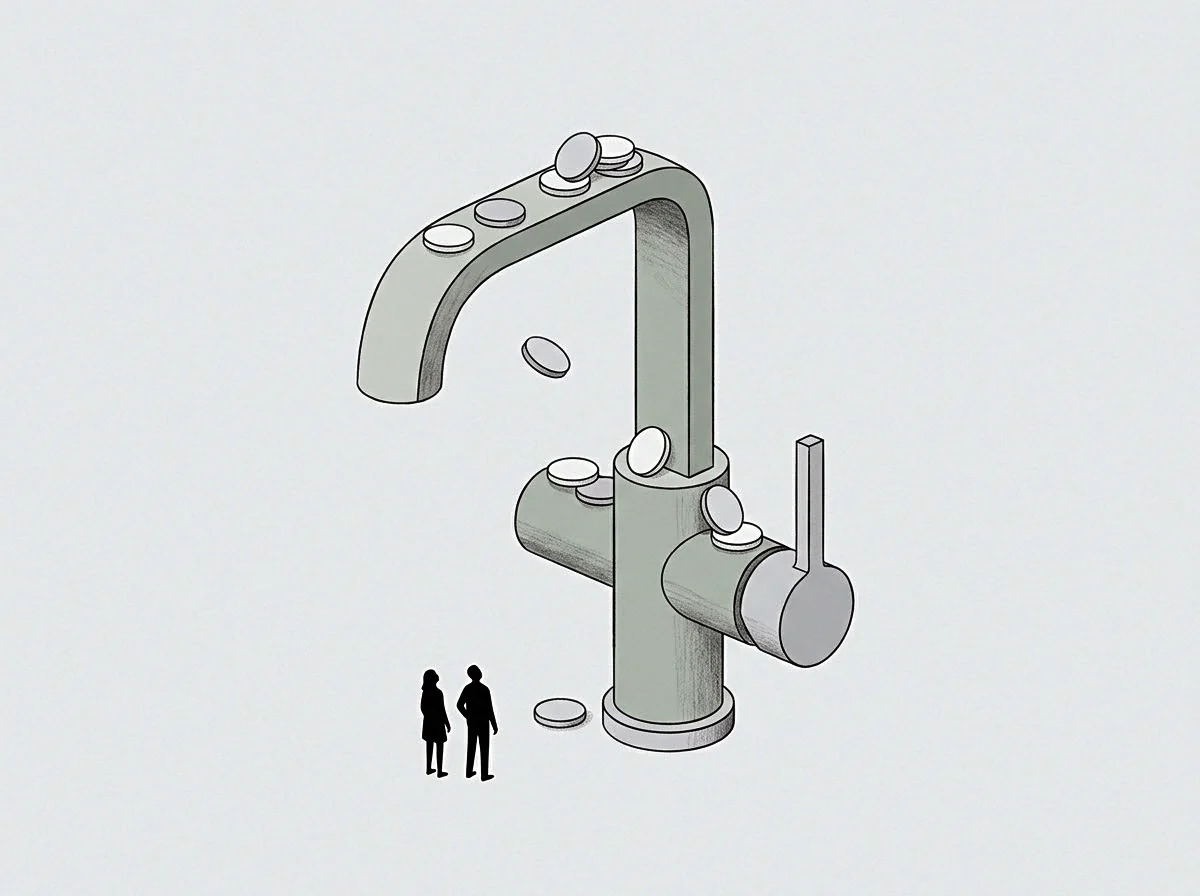
Following a systematic downsizing campaign, the enterprise arrives at its residual baseline: the minimal operational footprint left to run the business. This post-downsizing environment defines the new boundary wall of enterprise potential. The enterprise can no longer operate under pre-downsizing assumptions; attempts to execute historic strategic roadmaps with depleted structural capacity result in immediate performance bottlenecks and employee burnout.
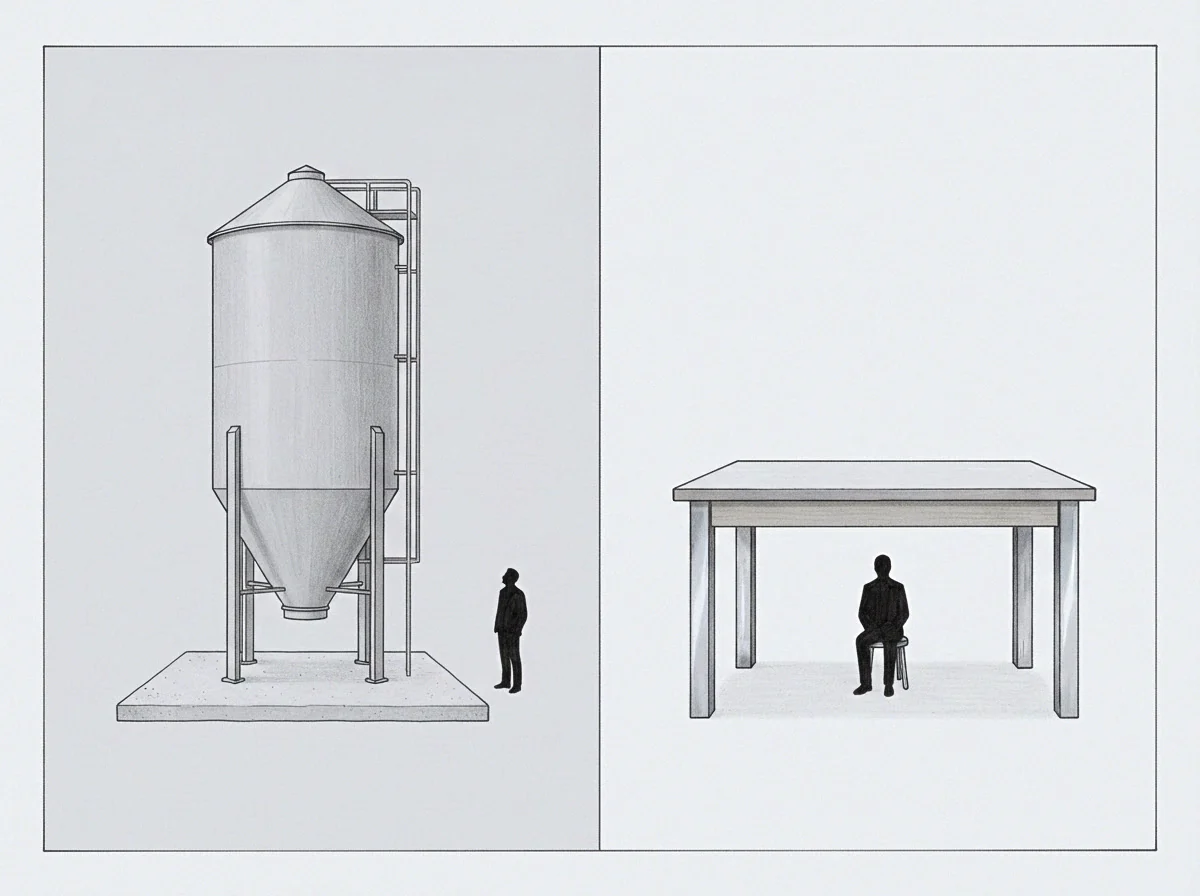
The Boundary of Post Downsizing Operational Stability
The boundary wall represents the limit of what the current organizational structure can accomplish without incurring severe capability failure. Pushing past this boundary without rebuilding structural bridges forces teams to operate in continuous crisis mode. Leaders recognize the boundary wall through specific operational markers: persistent missed deadlines, rising employee turnover among key retained staff, and an inability to execute multi-departmental initiatives.
Post-downsizing operational stability requires realigning strategic goals to match the reduced structural capacity. Enterprise leadership curtails peripheral activities, eliminates low-value operational overhead, and concentrates remaining capabilities on protecting core revenues.

Rebuilding Capacity Along the Mirrored Ascent
Rebuilding enterprise capability after severe downsizing requires an ascent gradient: a calculated effort to construct new structural bridges and cultivate tacit knowledge within the remaining workforce. This process mirrors the initial path of capability decay, requiring deliberate investments in cross-functional coordination tools, documentation, and explicit training programs to replace lost informal networks.
Organizations that successfully navigate post-downsizing recovery view their residual state as a baseline for disciplined growth rather than a permanent deficit. By mapping critical capability loss thresholds early, enterprises establish realistic operational parameters, protect essential coordination networks, and position themselves for sustainable operational recovery.
At what point does the cost of maintaining explicit documentation tools exceed the payroll expense of retaining original structural orchestrators?