Meaning
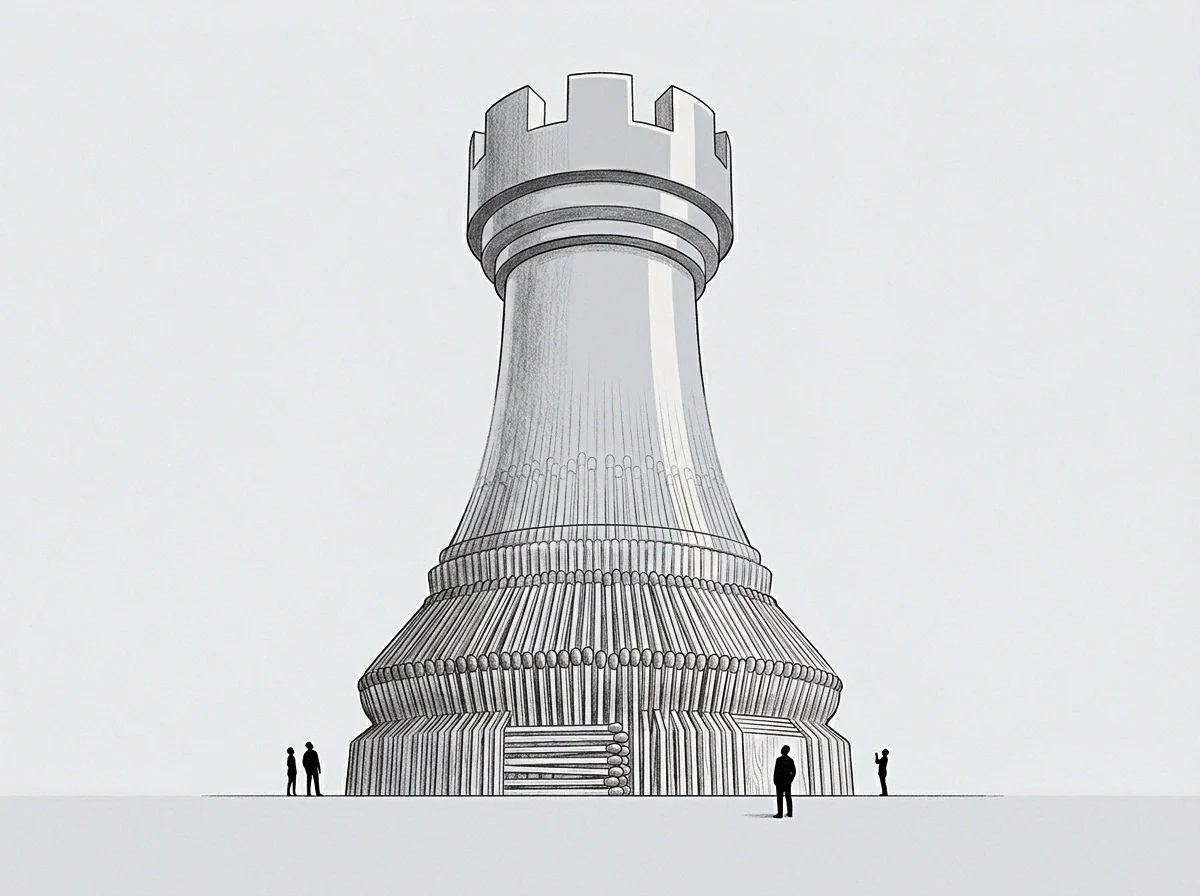
Procedural resistance represents the cumulative delay created by reporting, compliance, governance and oversight requirements within an organization. While initial growth relies on speed, administrative friction increases as specialized roles replace the founder’s direct control. It measures the delta between the time a task takes to execute in isolation and the time it takes within the formal system.
This metric identifies where bureaucratic overhead prevents the effective deployment of resources.
Operational Drag
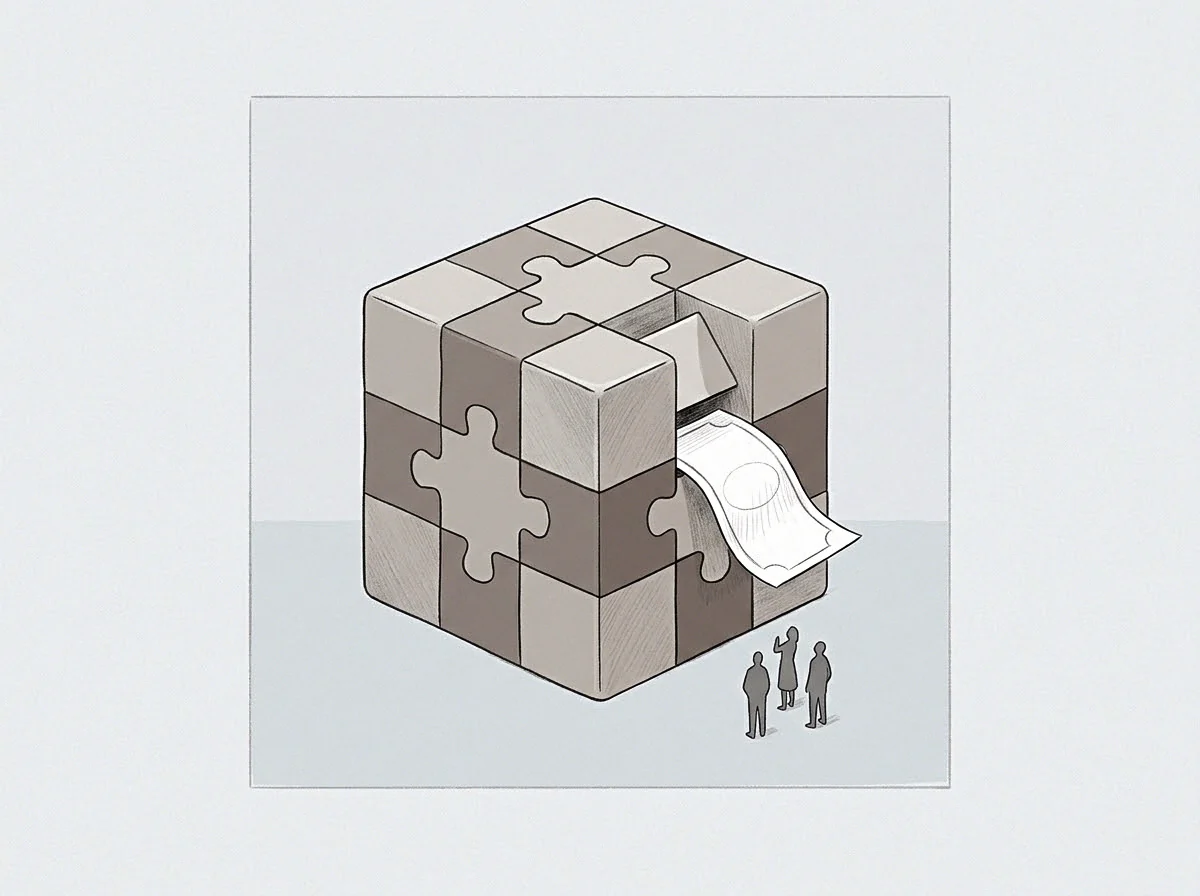
Internal workflows frequently demand validation steps that provide no technical benefit to the product. High administrative friction indicates that the organization prioritizes certainty over velocity. A decision to hire a single contractor might require five signatures across four departments (finance, legal, operations and procurement).
This specific sequence turns a one hour task into a three week wait.
Governance Boundary
Limits for this type of drag are reached when the energy spent on tracking work equals the energy spent on the work itself. When administrative friction exceeds a certain threshold, employees find ways to bypass official channels. This creates a shadow system that operates without oversight and introduces hidden risks.
Managers must determine the point where the cost of a potential error is lower than the cost of the friction required to prevent it.
Performance Consequence
Talent retention depends on the ability of high performers to execute without unnecessary hurdles. Persistent administrative friction leads to the exit of individuals who value speed and autonomy. A system that cannot reduce its own internal resistance eventually stops moving forward.
Reducing this drag involves removing redundant steps and trusting the established protocols rather than adding more layers of review.