Meaning
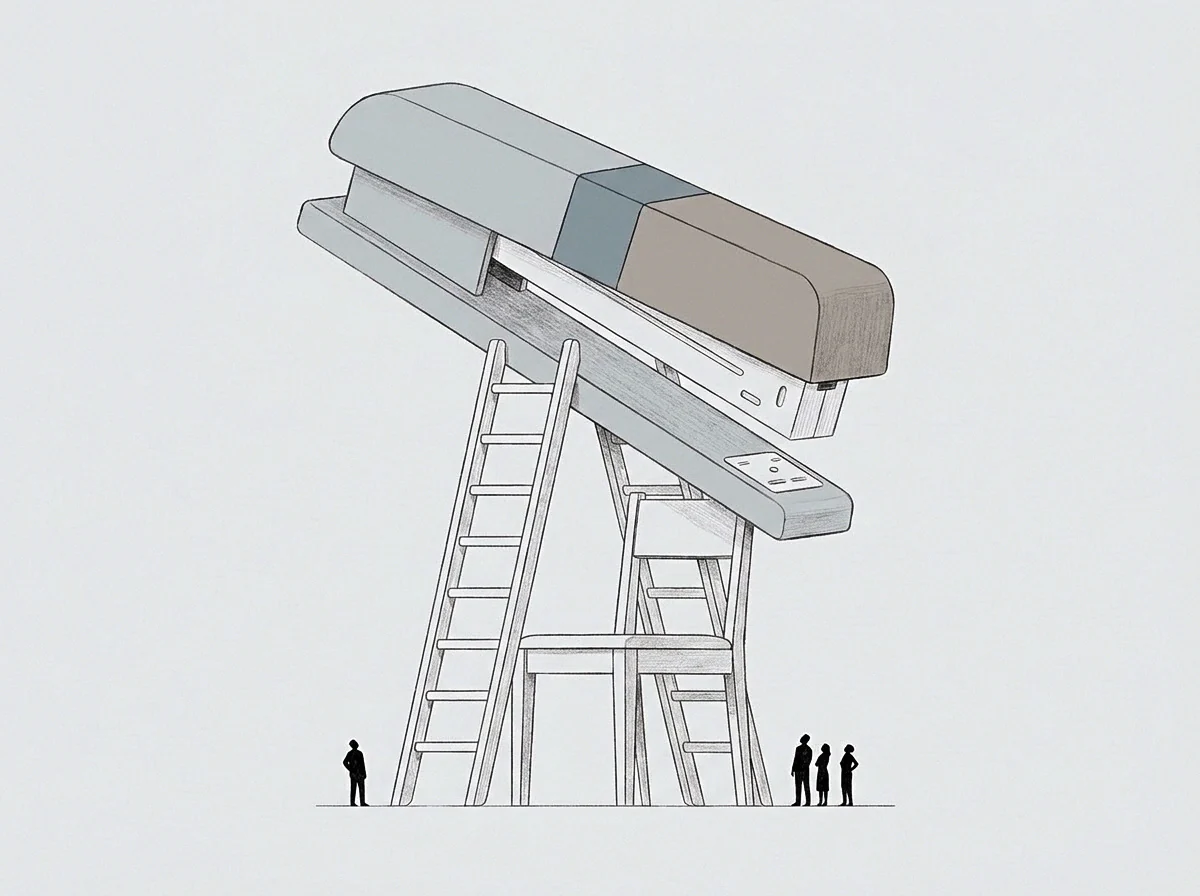
Buyer friction defines the cumulative operational resistance encountered by a potential customer throughout the acquisition of a good or service. This term identifies the gap between initial interest and the final exchange of value. Institutional constraints and information asymmetries often generate these obstacles that decelerate conversion rates across diverse commercial environments.
Operational Penalty
Frequent delays in procurement cycles indicate how buyer friction degrades the overall efficiency of a sales organization. Increased administrative requirements during the validation phase force prospects to dedicate additional internal capacity to the decision. Small additions of complexity inside a contract or documentation phase frequently compound into total abandonment of the desired purchase.
Measurement Logic
Calculation of these resistance points relies upon cardinal data representing the temporal and cognitive investments made by the prospective counterparty. Analysts map the sequence of activities that precede a signature to identify points where velocity drops toward zero. Comparing the time required for standard steps against the actual duration observed reveals the hidden weight of specific regulatory or communicative burdens.
Exchange Boundary
Market conditions influence how this force operates by altering the willingness of participants to absorb extra effort for a given benefit. Absolute lack of alternatives permits high resistance levels without destroying the transaction, while competitive abundance requires near zero effort for successful completion. Excessive accumulation of these burdens signals a failure in the design of the commercial interface rather than a lack of product utility.