Meaning
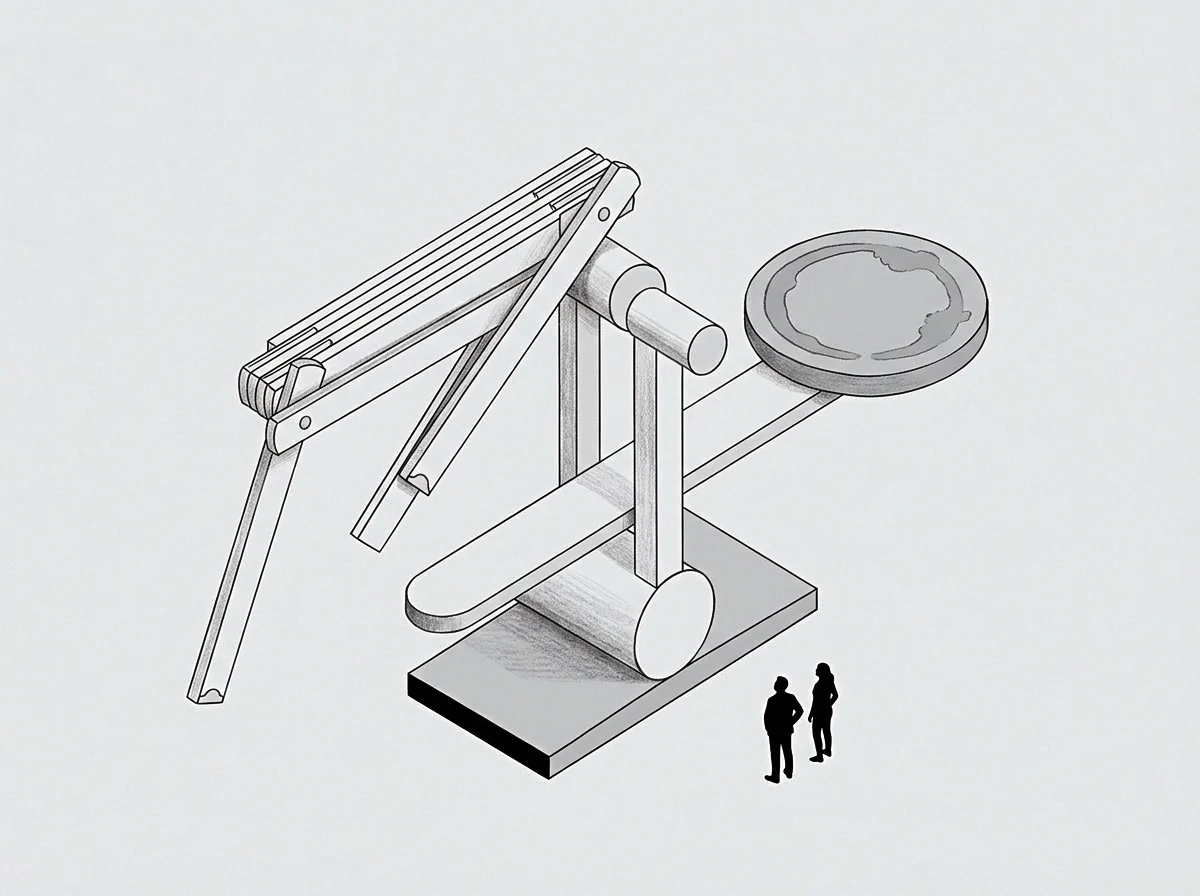
Permanent removal of functional assets from a productive cycle occurs when those assets cannot be repurposed or recovered. The process of capacity destruction involves the dismantling of physical or intellectual infrastructure following a market shift. Resources previously allocated to a specific output no longer exist as part of the industrial base once this process is complete.
It differs from a temporary shutdown because the return to previous output levels requires new investment.
Physical Eradication
Machinery or software removal signifies a definitive end to specific operations. If an asset is sold for scrap or deleted from a server, capacity destruction has reached its final stage. This action prevents the accidental restart of inefficient processes.
Market Correction
Boundary conditions for this phenomenon appear when the scrap value of an asset exceeds its discounted future cash flow.
Economic Finality
Decisions to end the utility of a specific department involve a cardinal measurement of remaining lifespan against the energy cost of ongoing preservation. This final act of disposal releases the organization from the burden of maintaining obsolete systems. The resulting lean structure allows for a more precise alignment between current market demand and the remaining productive tools.
A shift toward this state usually follows a sustained period of negative margins where the energy cost of carry exceeds the probability of a recovery in price.