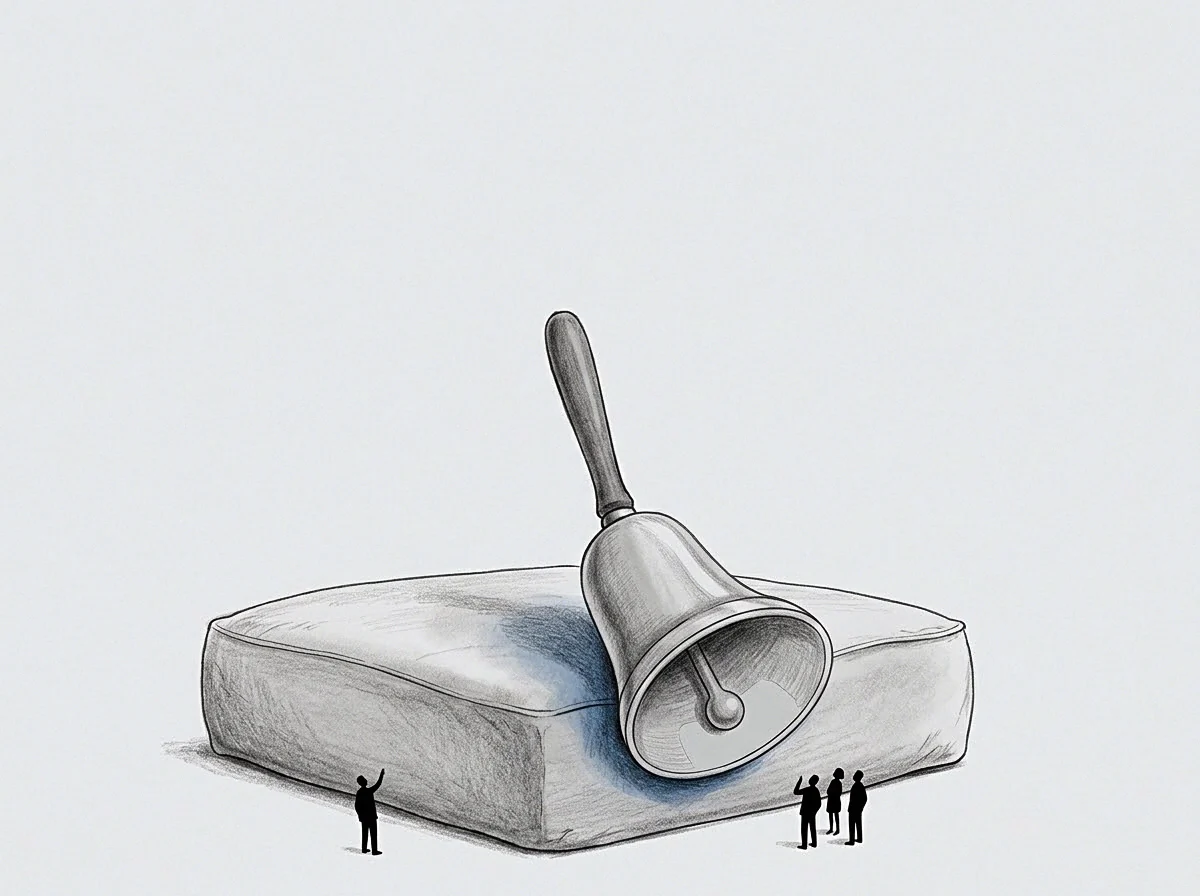
Meaning
Mental bandwidth depletion occurs when fragmented context-switching, unresolved administrative obligations and ambiguous operational directives persistently reduce an individual’s analytical processing speed. This depletion, designated as cognitive capacity drag, reflects the progressive degradation of decision-making fidelity as attentional demands outpace available mental resources. The condition is measured by latency increases and error rates in non-routine problem solving.
It stops applying to acute, transient exhaustion resolved by physical rest, remaining bounded to structural, systemic overhead generated by organizational environments.
Systemic Complexity
Organizations accumulate procedural layers that demand continuous low-grade monitoring from participants. When administrative structures require constant coordination across multiple unaligned systems, cognitive capacity drag multiplies exponentially. Individuals expend substantial attention simply finding inputs, confirming protocols and tracking status updates.
This expenditure leaves limited bandwidth for strategic evaluation or complex functional tasks. Structural sprawl thus transforms simple tasks into mentally exhausting hurdles.
Decision Latency
Analytical responsiveness slows down markedly as attentional reserves approach exhaustion under administrative load. When cognitive capacity drag dominates an operator’s daily experience, decisions are routinely deferred or defaulted to lowest-effort selections. Qualitative depth in evaluation evaporates.
Critical choices are made via blunt heuristics rather than thorough trade-off analysis. Operational risk rises as the fidelity of individual evaluations drops below acceptable baseline thresholds.
Attention Reclamation
Structural remediation requires actively eliminating peripheral administrative interruptions and standardizing recurring transactional routines. Reducing cognitive capacity drag depends on creating uninterrupted operational periods and limiting the active surface area of administrative demands. Automated workflows remove calculation demands from personnel.
Clear jurisdictional lines eliminate ongoing jurisdictional renegotiation among functional peers. Reclaiming attentional reserves is an operational discipline that sustains analytical rigor across the enterprise.