Meaning
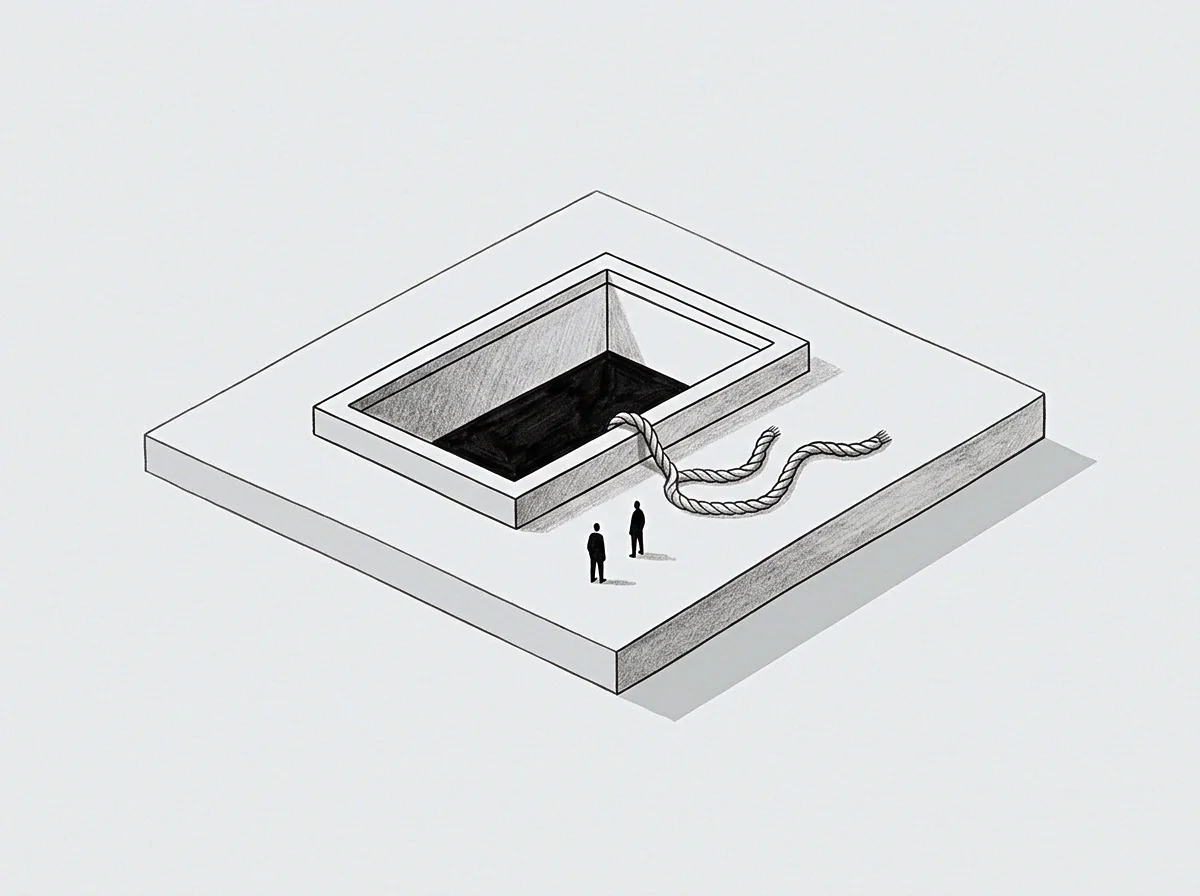
Delaying necessary repairs or system upgrades represents a common strategy to conserve working capital for higher priority projects. In practice, deferred maintenance accumulates as an unrecorded liability that grows larger the longer it is left unaddressed. It is measured on a cardinal scale of estimated restoration expenses compared to current cash savings.
For example, postponing software security updates saves immediate engineering hours but increases the exposure to later system failures.
Financial Friction
Cost accumulation accelerates because unresolved small problems compound into larger technical issues over time. Once deferred maintenance exceeds a specific threshold, the expense of restoration rises at an increasing rate. The organisation then faces a higher total cost than if it had acted immediately.
Risk Exposure
Unplanned downtime occurs more frequently when critical infrastructure operates without regular servicing. While the immediate effect of postponement is a rise in disposable cash, the long term risk of operational failure increases. Security vulnerabilities also expand during these periods.
Strategic Exit
Resolving the outstanding technical debt becomes necessary before a venture can undergo a merger or acquisition. Prospective buyers discount the enterprise valuation by the cost of the outstanding upgrades. Addressing these issues early prevents such financial penalties.