Meaning
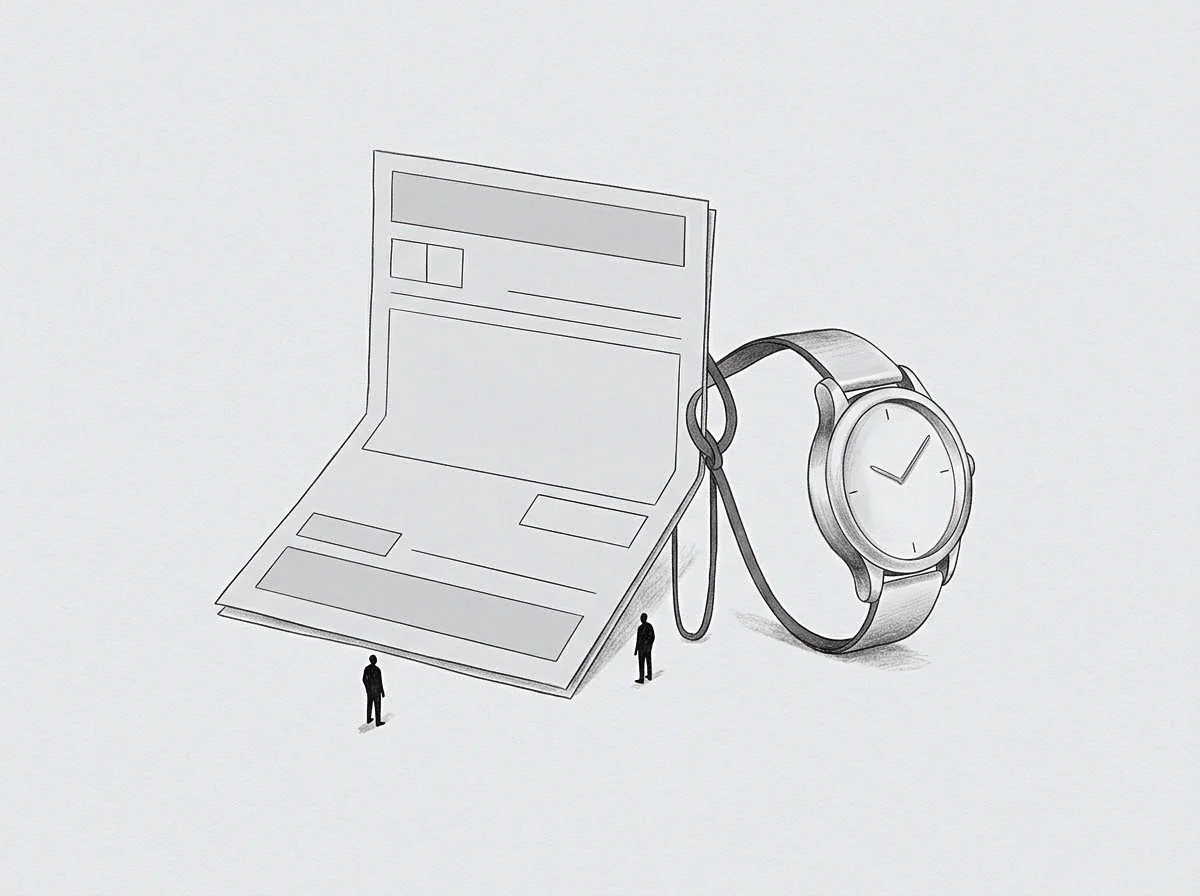
Critical bottlenecks consist of the specific locations or roles within a process where information and tasks tend to accumulate and stall. Friction nodes are the points of high resistance that slow down the overall velocity of a project. They often occur at the intersections of departments where different priorities or languages meet.
Identifying these nodes is the first step toward streamlining the path from idea to output.
Node Location
Observing where emails go to die or where meetings are most frequent often reveals these locations. A specific friction node might be a manager who insists on reviewing every line of code or a budget committee that only meets once a month. These spots are not always people, they can be physical locations or software limitations that prevent data from flowing.
Once found, these points can be bypassed or fortified with more resources to handle the load.
Pressure Build
Accumulation at a single point creates stress that radiates outward to other parts of the system. High levels of activity at friction nodes often mask a lack of progress. The person at the center of the node might feel productive because they are busy, while the rest of the team is waiting.
This imbalance leads to frustration and eventually to a breakdown in cooperation between teams.
Resolution Path
Solving the problem at its source involves either increasing the capacity of the node or removing the need for it. A founder might implement self service tools that allow engineers to deploy code without a manual check. This change eliminates the friction nodes and allows the team to move at its own speed.
Success is measured by the reduction in waiting time and the increase in the volume of completed work across the entire organization.