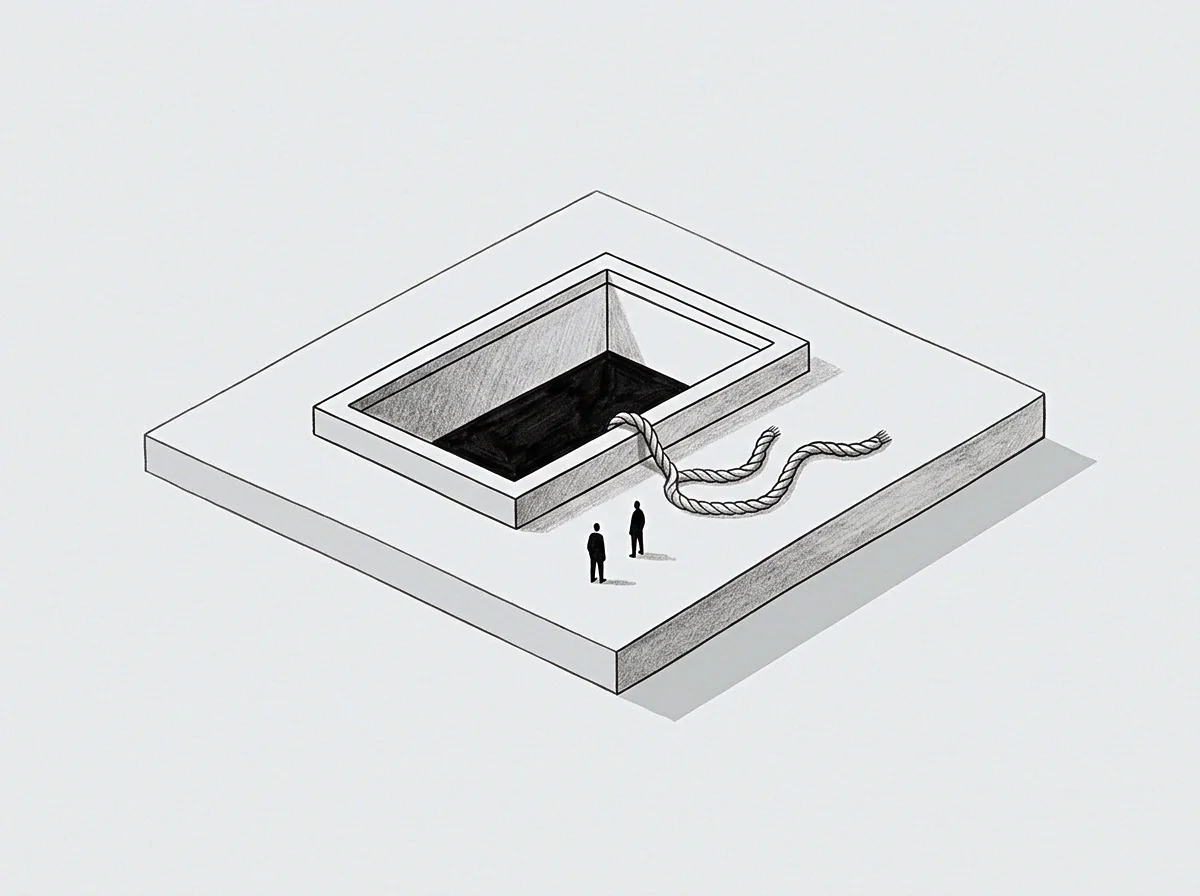
Meaning
Gradual decline in the efficiency or quality of internal processes due to a lack of maintenance or oversight. This operational erosion is a common outcome when the focus of leadership shifts from internal stability to external growth. It measures the delta between the optimal performance of a system and its current state.
The process is usually invisible in the short term but cumulative over months.
Process Decay
Standardized workflows lose their effectiveness when they are not updated to match new conditions. Without constant refinement, small errors and workarounds accumulate until the original process is unrecognizable. This operational erosion creates hidden costs in the form of wasted time and increased error rates.
It eventually forces a complete overhaul of the system to restore functionality.
Resource Depletion
Maintenance of a high-performance environment requires a steady investment of attention and capital. When these resources are diverted to other areas, the foundation of the operation begins to weaken. The cost of this neglect is often higher than the cost of regular upkeep.
Operational erosion continues until a failure occurs that is too large to ignore.
Systemic Failure
Breakdown of a single component often triggers a cascade of issues across the entire organization. Identifying the early signs of decline allows for intervention before the damage becomes permanent. Once the erosion reaches a critical point, the organization loses its ability to execute even simple tasks reliably.
This state marks the end of the term’s application as the focus moves to crisis management.