Meaning
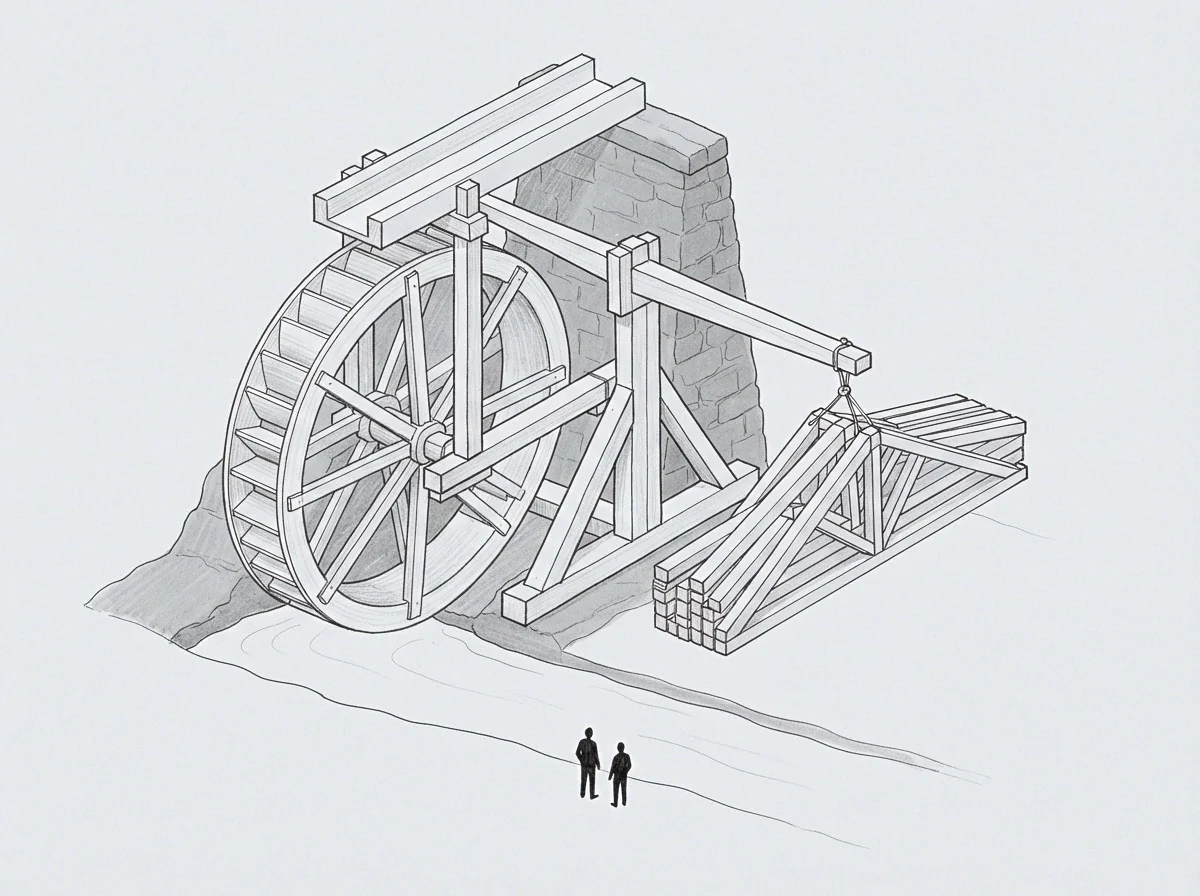
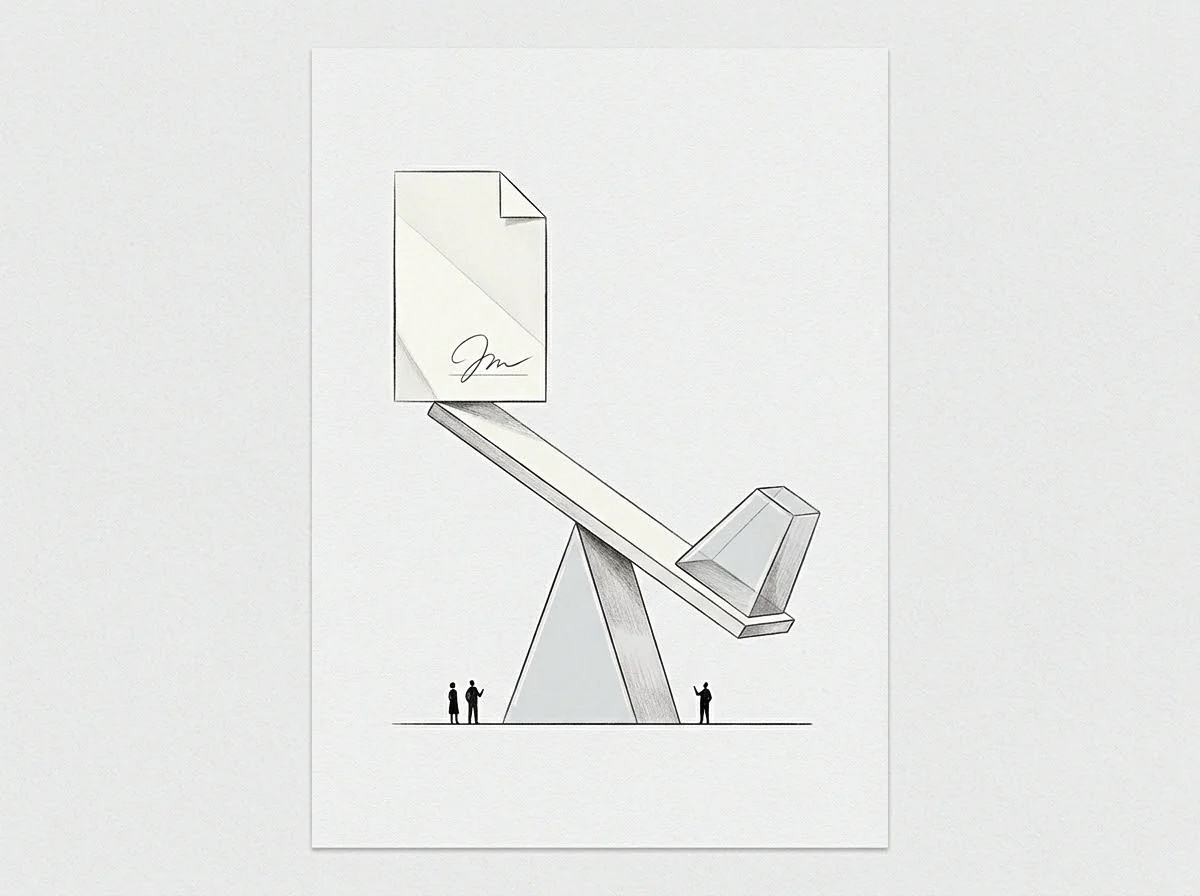
Inherent resistance within an organization or system stems from its configuration and permanent procedures rather than external market forces. This structural drag acts as a constant tax on speed and agility by requiring excess energy to navigate internal complexity. It is measured as the delta between the theoretical maximum efficiency of a process and its actual performance.
The effect remains constant until the underlying architecture of the system is modified.
Systemic Inertia
Rigid hierarchies and legacy software often prevent rapid responses to new information. Because structural drag is built into the rules of the organization, it persists even when individual members are highly efficient. These delays occur at the interfaces between different departments or during the translation of data between incompatible systems.
Overcoming this resistance requires a fundamental change in how the system is wired.
Growth Constraints
Expanding a company often introduces more layers of management and more complex reporting requirements. This increase in size frequently leads to higher structural drag, which can cancel out the benefits of scale. Large organizations must actively monitor the ratio of administrative overhead to productive output.
If the resistance becomes too great, the entity loses its ability to compete with smaller and more nimble actors.
Reduction Strategy
Simplifying the decision making chain is the most direct way to lower internal resistance. By removing redundant checks and consolidating data sources, an organization reduces the energy capacity spent on internal coordination. Success in this area shows up as a faster turnaround time for standard operations.
The goal is to ensure that the majority of the available energy goes toward external value creation.