Meaning
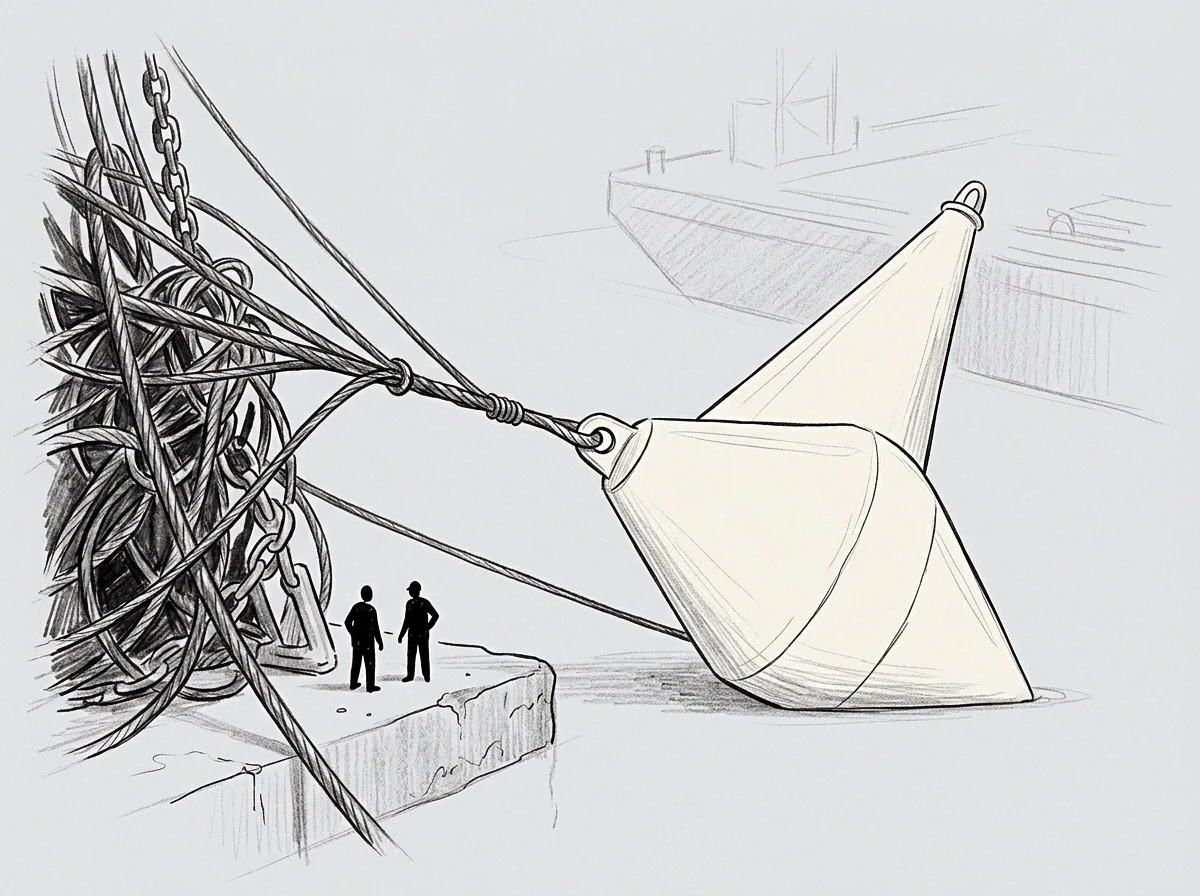
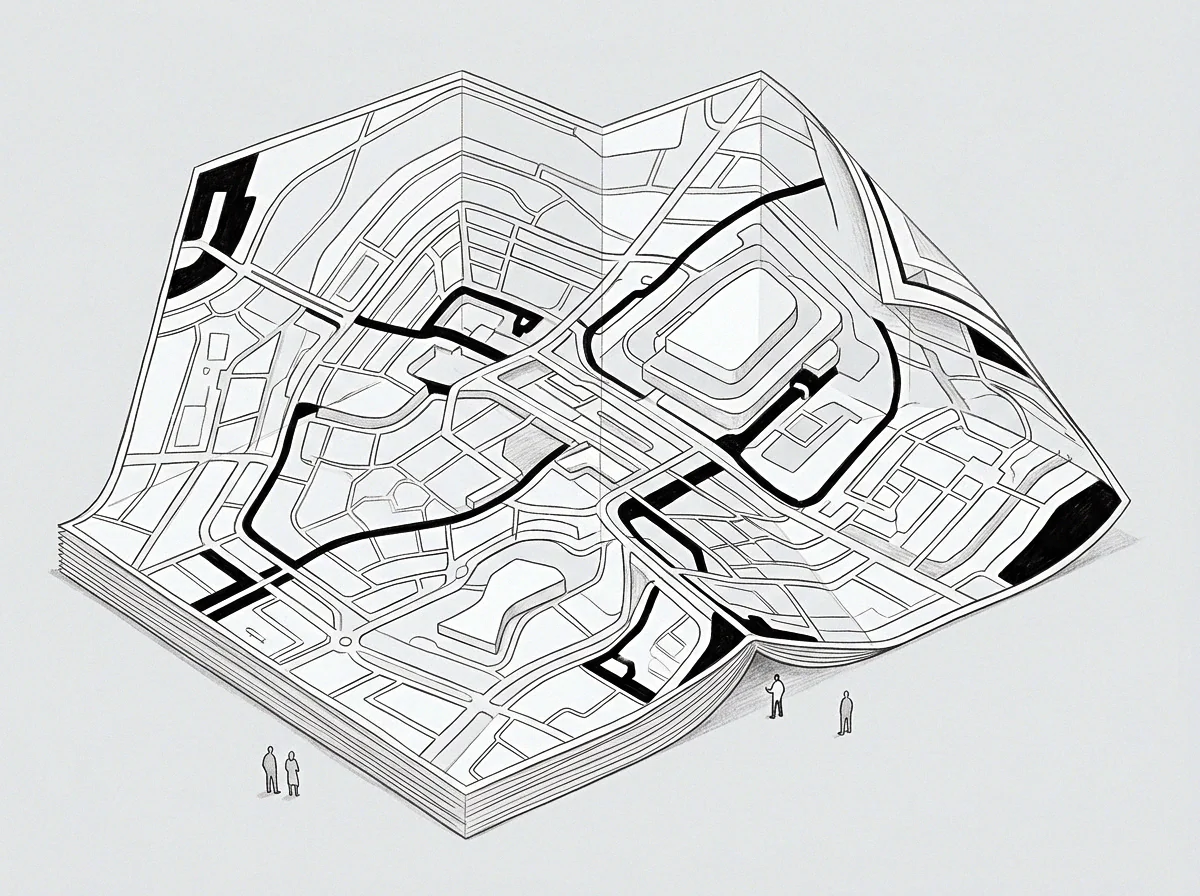
Synchronization latency functions as the quantitative measure of the time interval between the initiation of a data update in a primary system and the successful reflection of that update across all connected secondary nodes. This temporal gap represents the duration required for disparate copies of a dataset to achieve a consistent state within a distributed environment. High values indicate a degradation in the speed at which state transitions propagate through the network architecture.
Temporal Friction
Calculating synchronization latency requires a comparison between the timestamp of an event at the source and the moment of arrival at the final destination. Engineers monitor this duration to determine if the propagation speed matches the requirements of the application. Discrepancies often arise from network congestion or limited bandwidth capacity in the communication channels.
Periodic audits of these timings prevent the accumulation of stale data within the secondary interfaces.
Operational Penalty
Unintended delays force nodes into states of temporary divergence where users interact with outdated records instead of current facts. Automated systems react to these gaps by pausing inbound requests until the consistency window closes. Constant tracking of these pauses provides a clear view into the reliability of the underlying infrastructure without reliance on anecdotal evidence.
Constraint Boundary
Variations in hardware performance across nodes prevent the reduction of this latency to zero in any practical application. Physical distance acts as a lower bound for signal transmission speeds between remote servers. Developers accept this unavoidable limit by designing system logic to tolerate transient inconsistencies during the update process.