

Calibrating Vendor Equipment Cost Baselines Against Recorded Plant Operational Windows
Equipment cost baselines calibrated against operational logs replace vendor nameplate hours with empirical wear vectors derived from real plant dispatch windows.
Equipment cost baselines calibrated against operational logs replace vendor nameplate hours with empirical wear vectors derived from real plant dispatch windows.
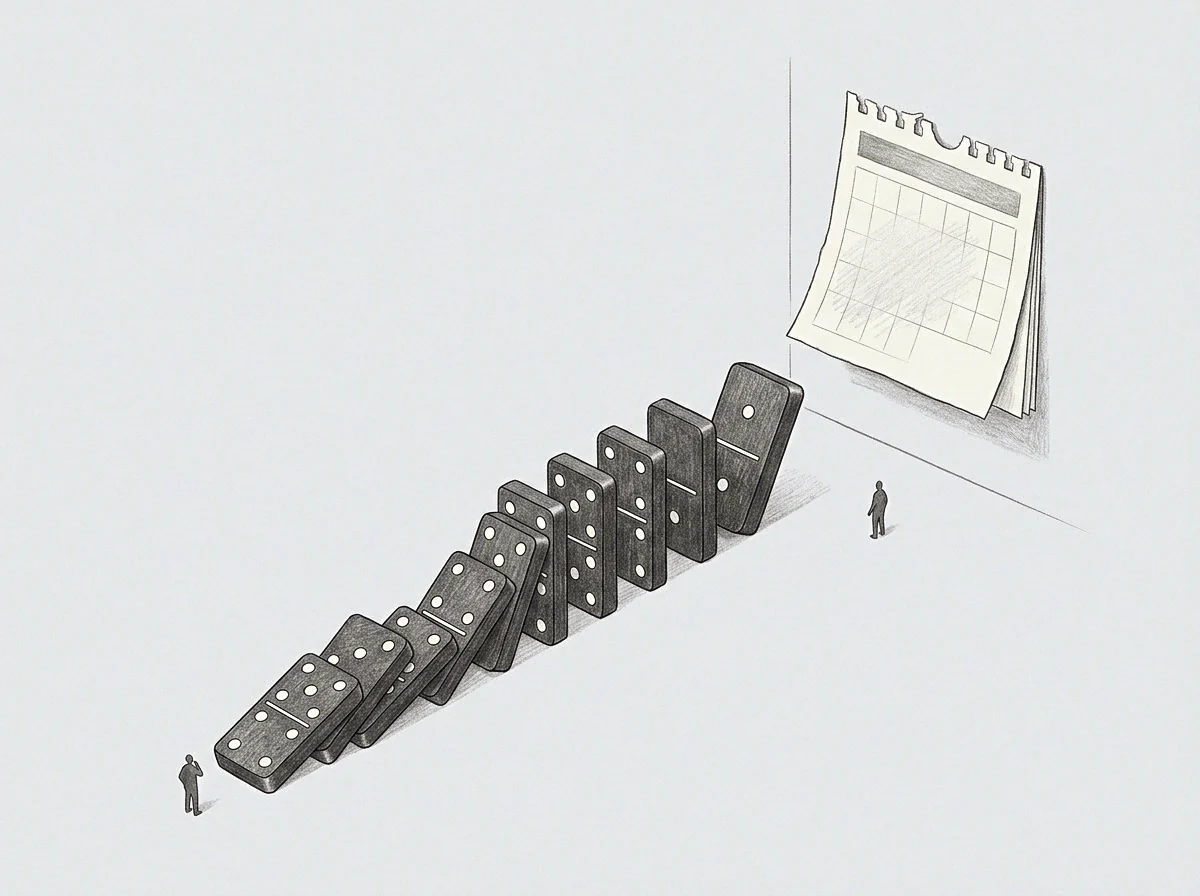
A bounded sampling period measures authentic baseline delta only when the observation window spans complete operational cycles against a fixed bedrock datum.

Operational movement across regional compliance regimes is measured by tracking deployment velocity and engineering friction against recorded baseline metrics.

Central setpoint adjustments in asynchronous environments produce phase lag when target update frequencies exceed peripheral relaxation rates.

Engineering attention distribution measures ordinal cognitive effort across projects through passive telemetry to reveal hidden context switching overhead.
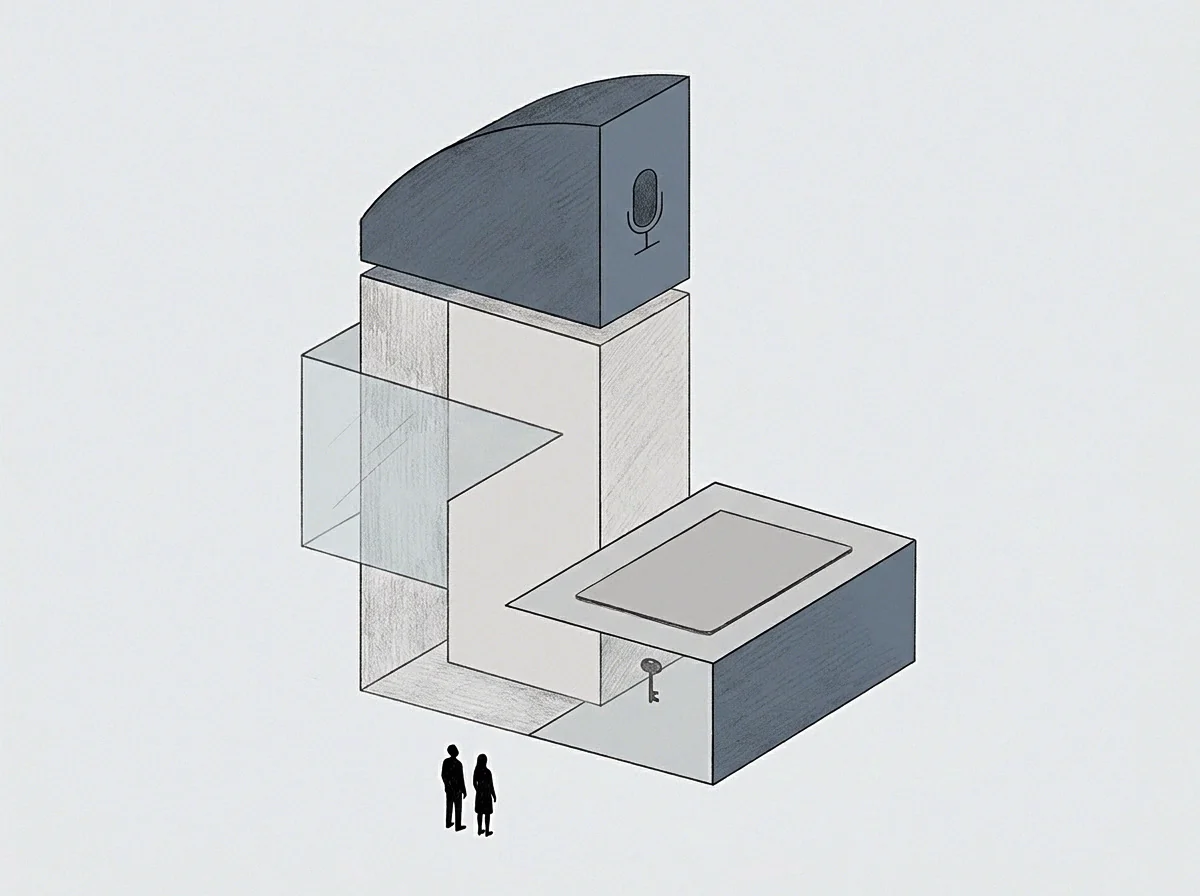
High throughput systems mask state corruption behind stable mean latencies until invariant output payloads signal un-evaluated cached responses.

Bayesian updating recalibrates optimistic domestic priors by blending observed early market signals with objective reference class base rates across defined windows.

Capital planning in unfamiliar industries replaces cached vendor estimates with primary empirical baselines measured across physical operational windows.
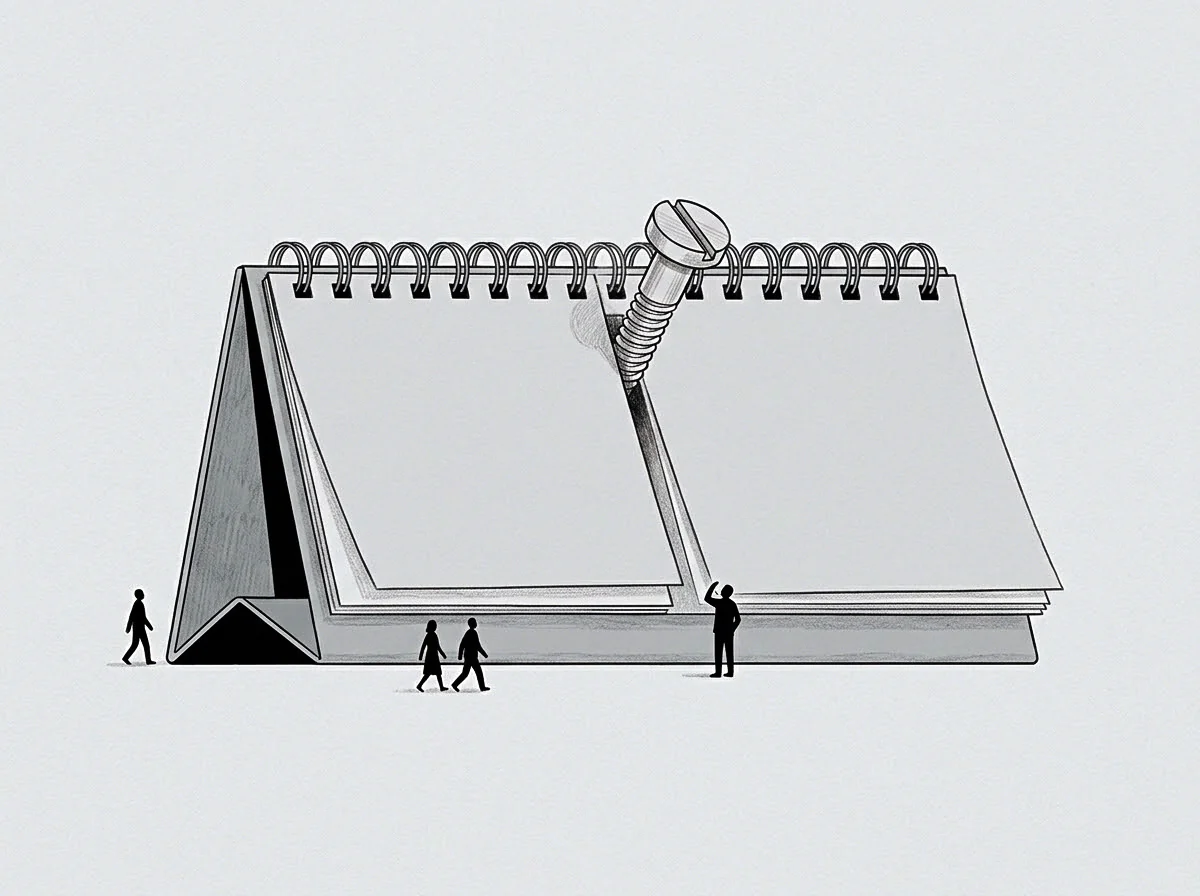
Operational baseline movement is evaluated by comparing un-cached field telemetry against established historical benchmarks across defined observation windows.
The terms are written where they belong. Each field holds three desks, and every entry a desk writes raises the terms it uses, each term given a meaning, a mechanism and the places it appears. The record on these pages stays first person and hand made; the fields grow the nomenclature.