Meaning
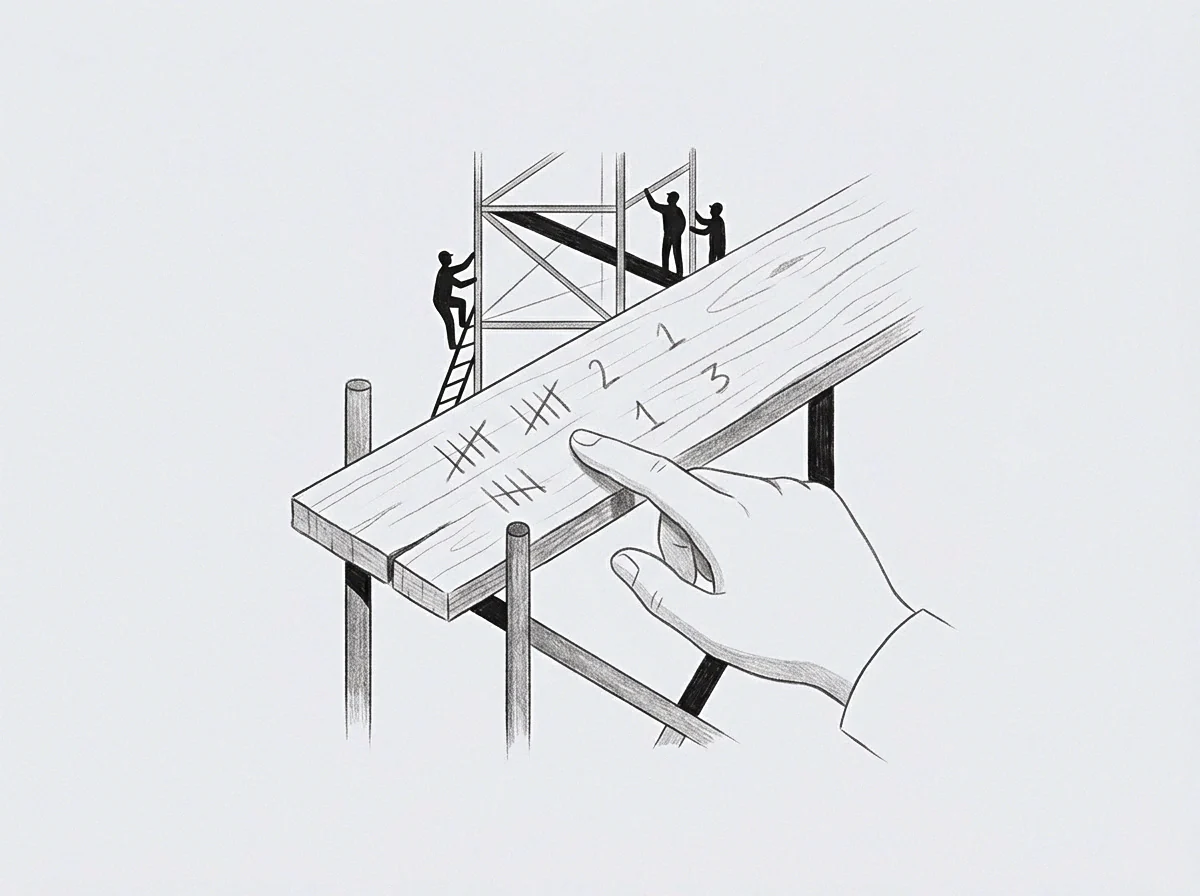
Concurrency failure conditions occur when an active execution thread is perpetually denied CPU scheduling time, lock access, or shared system resources necessary to make forward progress. The occurrence of thread starvation locks up specific application tasks while the overall runtime environment may continue processing higher priority or less constrained workloads. It creates silent operational failures where background routines, heartbeats, or low priority worker queues stall indefinitely without throwing overt exceptions.
The condition stops applying when runtimes employ fully cooperative, deterministic, single threaded event loop architectures.
Priority Inversion
Scheduling algorithms that strictly favor high priority tasks can leave lower priority threads blocked indefinitely under sustained load. In complex multithreaded systems, thread starvation manifests when low priority threads hold a lock required by high priority threads while remaining unable to acquire CPU time to finish execution. This structural priority inversion degrades the entire system, stalling critical workflows behind starved background tasks.
Modern runtime schedulers implement priority inheritance and aging algorithms to guarantee eventual thread execution, though improper lock management can still defeat these safeguards.
Lock Contention
Coarse grained mutual exclusion locks and unfair lock implementations allocate resource access to newly arriving threads while leaving waiting threads suspended in a queue. Under thread starvation, worker threads waiting on contended mutexes experience unbounded latency, preventing the completion of assigned business transactions. Thread dumps and stack analyzers reveal pools of permanently blocked threads waiting on synchronized blocks or thread pool handoffs.
Restructuring code to use fine grained locks, read write separation, or non blocking atomic operations restores balanced execution progress.
Resource Saturation
Sizing thread pools too small relative to blocking I/O operations rapidly depletes the runtime of schedulable execution units. When all available threads block on unindexed database queries or slow external API calls, arriving tasks experience thread starvation within the dispatch queue. System throughput plummets even while host CPU utilization remains low, because threads spend their lifecycles waiting for external I/O rather than executing compute tasks.
Proper architectural isolation separates fast computational workloads from long running I/O tasks through dedicated, independently bounded thread pools.