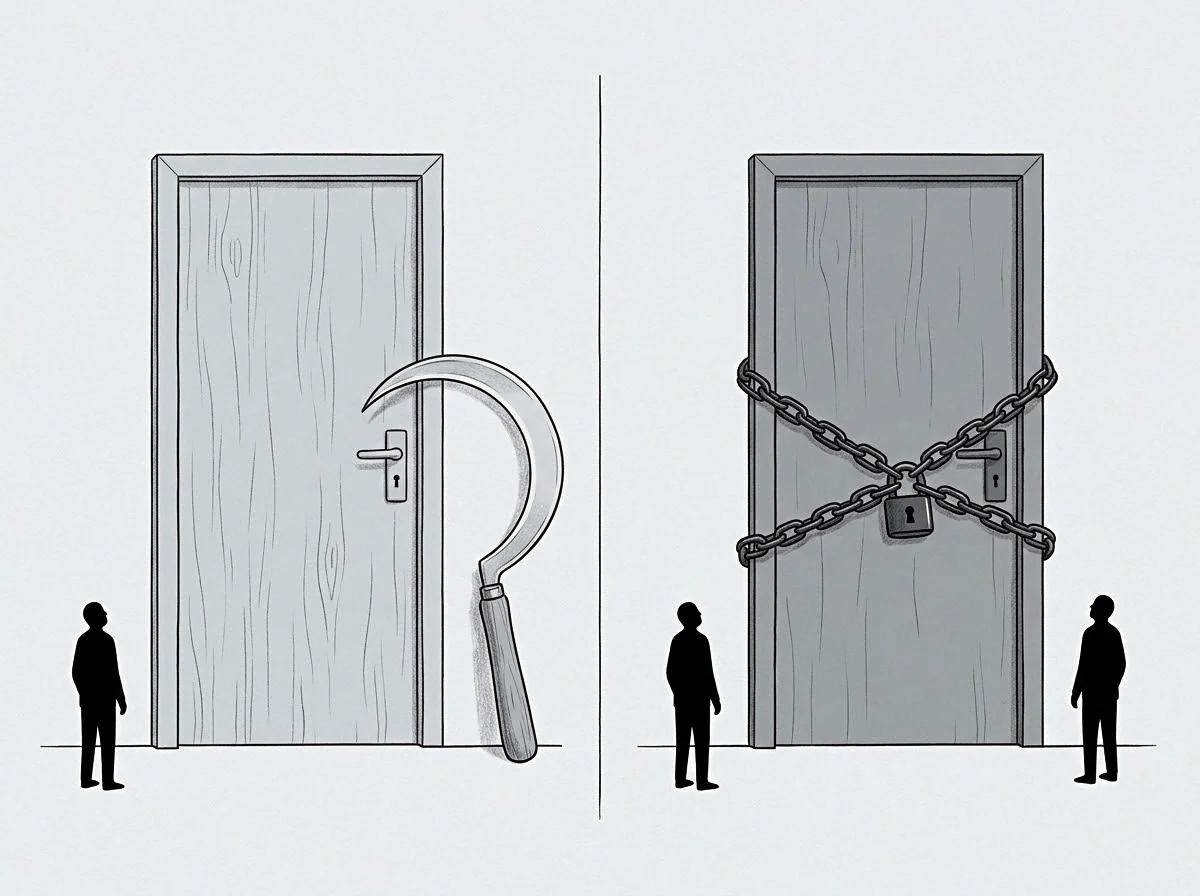
Meaning
Measurement against theoretical maximum processing velocity reveals the precise ceiling where a system can no longer process additional incoming units without queues forming. Physical and structural throughput limits define the absolute operational volume an organization can handle per unit of time. These constraints cease to apply when infrastructure re-engineering increases system baseline capacity.
Capacity Ceiling
Fixed hardware boundaries and human processing speeds cap the maximum number of transactions completed within a given operating window. Operating near throughput limits causes queue lengths to expand exponentially, leading to severe processing latency and customer drop-off. A logistics firm operating at full warehouse packing capacity cannot process additional holiday orders without adding physical floor space or automated sorting lines.
Identifying these bottlenecks enables managers to invest capital where capacity constraints most severely restrict total revenue growth. Elevating this ceiling requires removing execution bottlenecks across key operational nodes.
Volume Variance
The difference between theoretical output capacity and actual volume delivery highlights operational inefficiency. Evaluating throughput limits across peak load cycles reveals how system buffers perform under stress.
Saturation Point
Maximum operational volume marks the boundary where further input additions yield zero net output gains. Exceeding throughput limits degrades total processing quality.