Meaning
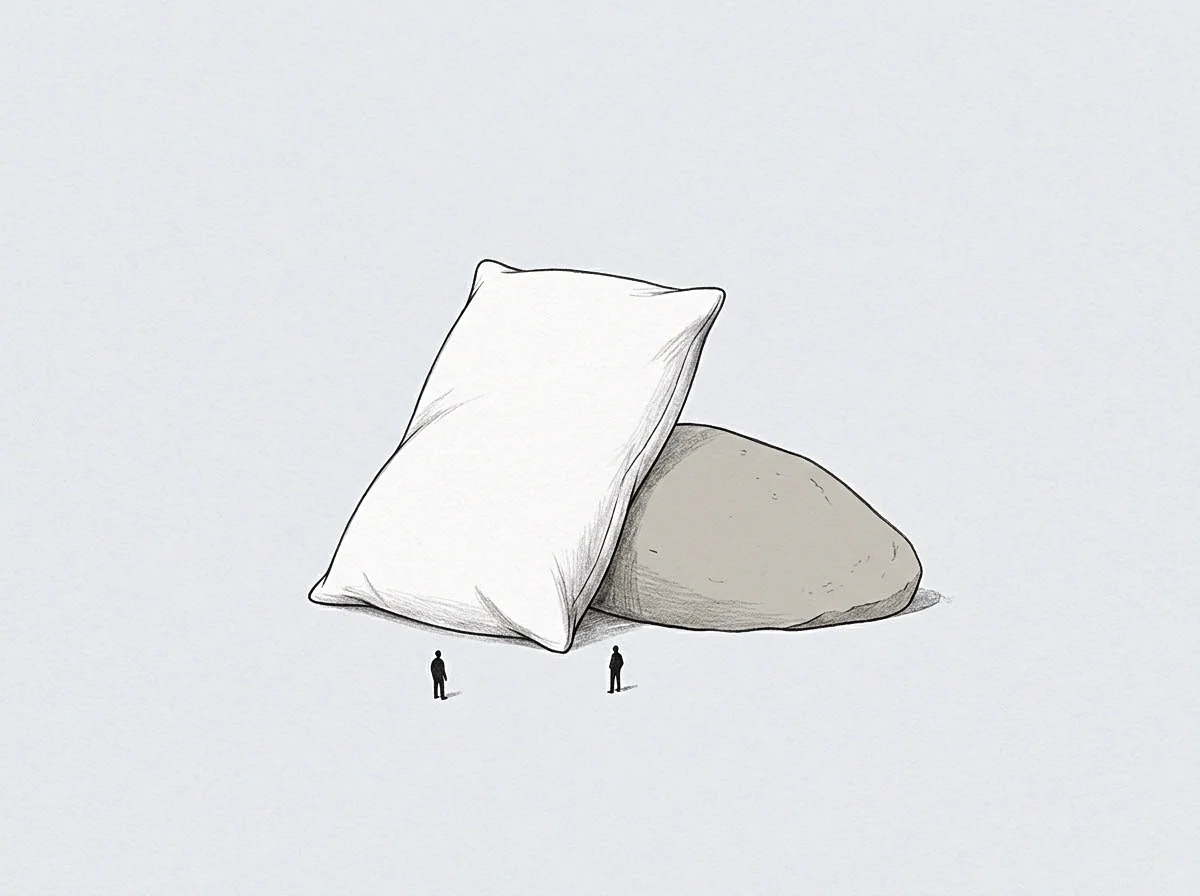
The accelerated departure of personnel and disruption of operational continuity during a leadership handover defines a volatile reorganization period. This transition churn occurs as employees adapt to new management styles and organizational hierarchies after the founder exits. This phenomenon provides a metric for measuring the cultural and operational friction generated when long-term leadership transitions from personal to professional management.
Disruption Phase
Periods of executive succession introduce deep uncertainty into all levels of the company. During this transition churn, established communication networks dissolve and reporting structures undergo realignment. The resulting confusion reduces overall productivity as employees spend energy navigating politics rather than executing tasks.
Talent Flight
Key staff members who were loyal to the original founder often leave the firm when the transition begins. This transition churn disproportionately affects senior engineers and product leaders who prefer the original startup culture to professionalized corporate structures. Their departures result in a temporary loss of institutional memory and product expertise.
Stabilization Strategy
Clear retention incentives and transparent communication help mitigate the loss of key personnel during successions. To control transition churn, the board must establish clear career pathways and re-evaluate compensation models for critical employees. This focus on retention stabilizes the team and ensures a smooth transfer of authority.