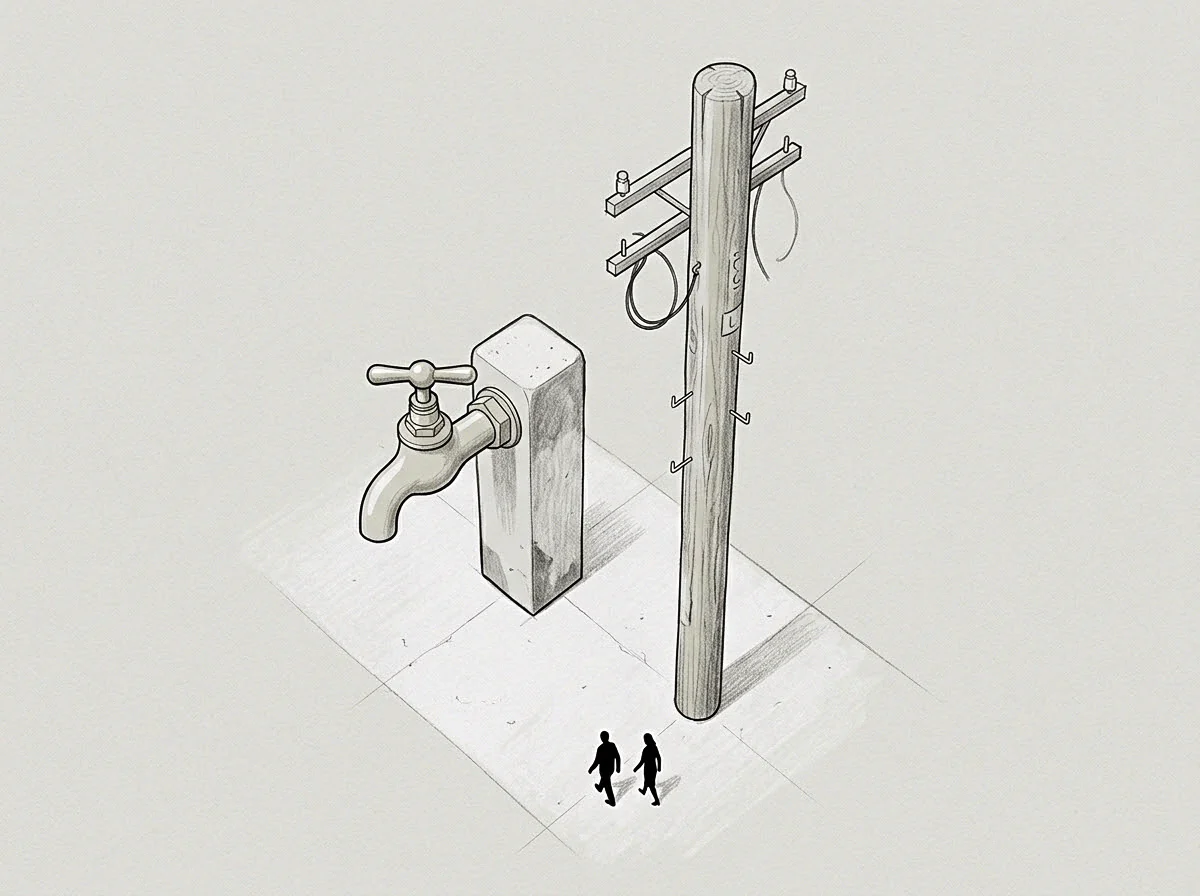
Meaning
Structural interfaces separate distinct systems that use different data schemas or semantic meanings. A translation boundary exists at the point where information must be transformed to move from one domain to another. The boundary stops where the data has been fully reconciled and accepted into the destination schema.
Mapping Logic
Conversion rules define how information from one domain becomes legible in another. A translation boundary exists where the definition of a customer in a sales database meets the definition of a subscriber in a billing system. Precise rules prevent the degradation of data quality as it crosses these lines.
Successful mapping requires an official record of truth.
Structural Friction
Operations often slow down when data must undergo complex mutations to satisfy the requirements of a target environment. Crossing a translation boundary involves more than changing a variable name (it requires recalculating values, updating timestamps, and checking historical logs). This process introduces a latency cost that scales with the complexity of the schema.
Large organizations often find that the cumulative delay at these points limits their ability to react to new information in real time.
Interface Integrity
Communication between systems remains fragile if the logic of the transformation is not clearly documented. Reliability requires a perfect correspondence between the source and the target.