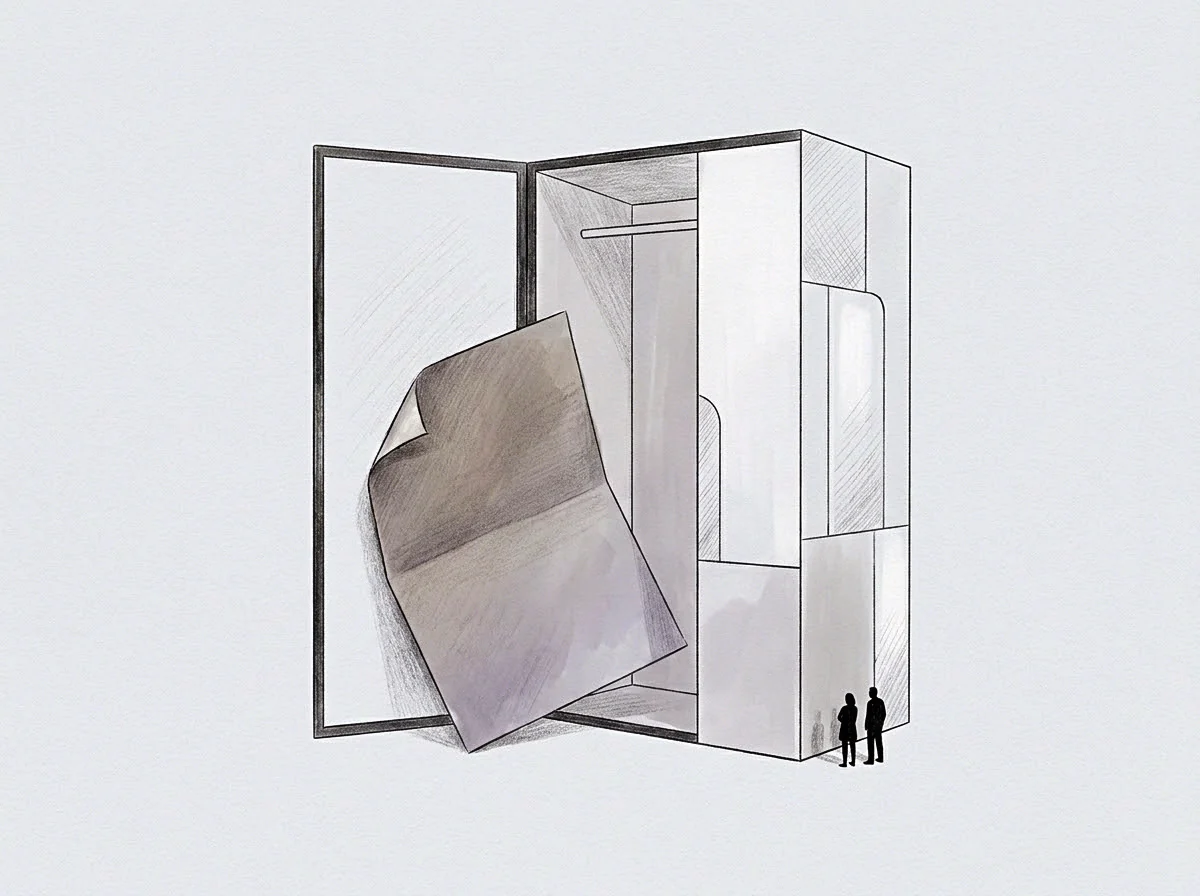
Meaning
The linear rate of progress an organization achieves along a specified strategic trajectory measures raw execution speed across a defined operational vector. Tracking translational velocity evaluates how quickly capital, labor, and technology convert into measurable milestone completion. Unlike angular adjustments, this metric measures forward distance covered per unit of time along a fixed heading.
The measurement stops applying when an organization engages in purely exploratory or circular ideation without a definite trajectory.
Forward Rate
Operational speed requires a stable directional heading to produce meaningful enterprise momentum. Calculating translational velocity isolates forward progress along defined strategic milestones from useless internal activity and administrative churn. An organization can burn massive amounts of capital and attention while achieving zero forward displacement if its teams move in conflicting directions.
High forward velocity demands absolute alignment between resource allocation and strategic targets.
Milestone Progression
Sustained execution momentum converts high-level strategic plans into completed operational assets at a predictable pace. When an organization maintains steady forward velocity, project schedules become reliable and revenue forecasts achieve high predictive accuracy. Sudden drops in milestone completion rates signal emerging operational bottlenecks, technical debt, or internal resource misallocations.
Monitoring linear displacement provides early warning of execution decay long before financial statements reflect the slowdown.
Trajectory Limit
Linear speed calculations lose descriptive power when an enterprise operates without a fixed strategic heading. During early customer discovery or open-ended scientific research, teams explore ambiguous multidimensional spaces where the concept of a forward vector is undefined. Measuring linear velocity under such exploratory conditions creates perverse incentives to execute irrelevant tasks rapidly simply to demonstrate progress.
The metric requires a predetermined, stable coordinate system to measure displacement meaningfully.