
Quantifying Capacity Degradation Baselines During Unstipulated Counterparty Escalation Loops Across Multi Year Operations
Unstipulated counterparty escalation degrades operational baselines along an ordinal cost vector by consuming engineering attention in unpriced alignment loops over multi year contracts.
Shift
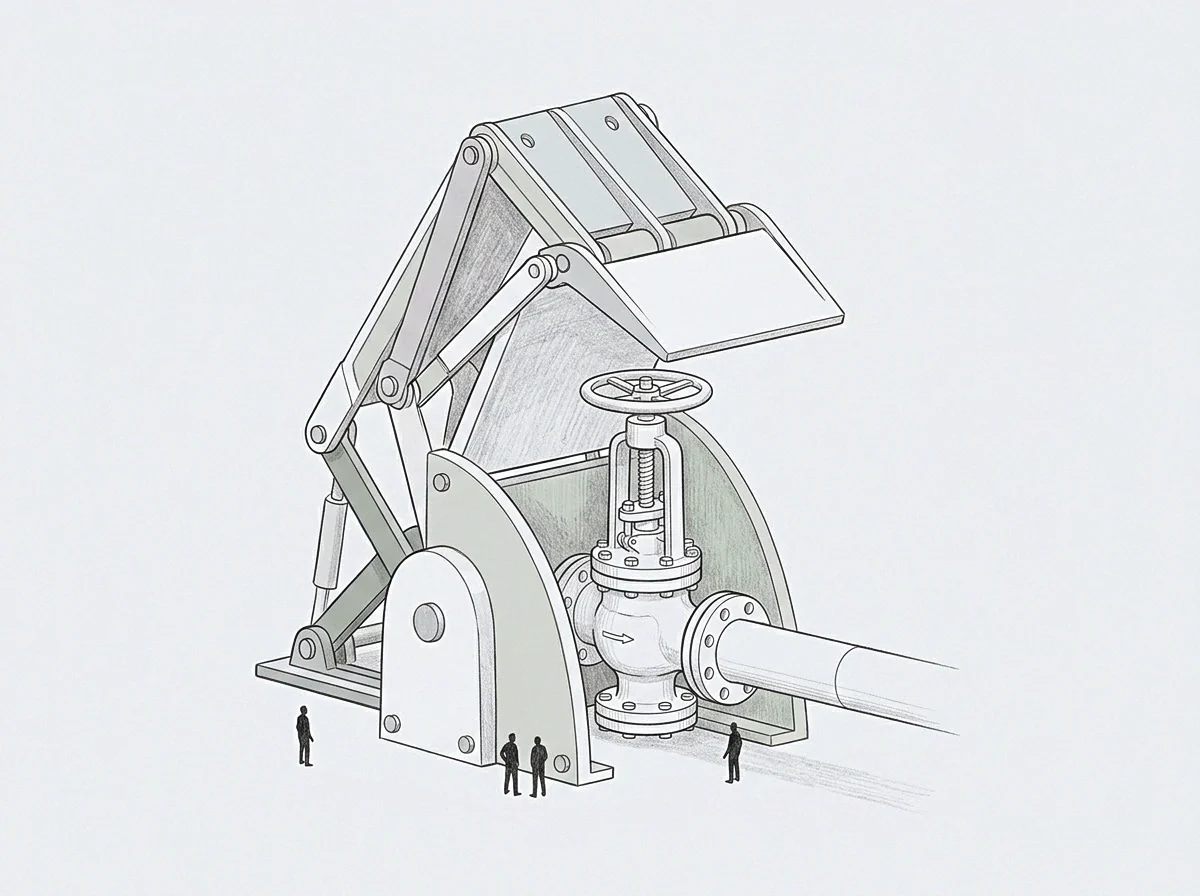
The calendar absorbs the friction. Senior technical personnel spend three days every month resolving scope interpretations with an external partner. These requests arrive through informal channels without change orders or adjusted billing rates.
Over a three-year operating period, the cumulative loss of engineering focus alters what the internal engineering team can build. The planned expansion of core product infrastructure slips into subsequent quarters while daily operating maintenance continues. Unstipulated alignment loops create a persistent operational drag that standard status reports fail to capture.
Unstipulated Escalation as Baseline Attenuation
Operational schedules expand without explicit contract modifications. When a counterparty initiates repeated clarification cycles regarding delivered services, internal staff redirect attention from scheduled milestones to defensive documentation. The operational hours vector shifts its magnitude toward administrative friction.
Silence carries an implicit contract. Accepting unpriced alignment work establishes a lower baseline for functional output across consecutive billing periods.
Engineers defer primary system design. The senior developer absorbs the hours. Every unresolved counterparty inquiry requires context switching that degrades technical execution across unrelated product modules.
Interruptions destroy deep working blocks, doubling the real temporal cost of every clarification request. The organization pays for technical creation while receiving relational administration.
When counterparty friction recurs without formal price adjustment, operational capacity degrades along an unrecorded ordinal vector.
Multi-year contracts amplify this effect. A counterparty that learns that informal escalation yields unpaid engineering labor will increase the frequency of clarification demands. The operational queue expands.
Without a clear mechanism to convert internal ordinal friction into cardinal pricing, the operating business finances the counterparty’s organizational uncertainty through diminished internal throughput.
The request falls within standard administrative alignment, given the long duration of the primary agreement.

Grid
Measurement of operational drag requires tracking multiple concurrent magnitudes rather than relying on financial ledgers alone. Monetary metrics record explicit expenditures, leaving the consumption of internal attention and temporal reserves unbilled. Ordinal measurement models rank operational costs by their relative severity, preserving the distinction between financial outlay and system exhaustion.
A team operating at peak financial margin can simultaneously experience baseline degradation that prevents strategic execution.
Operational Vector Comparison Across Escalation Cycles
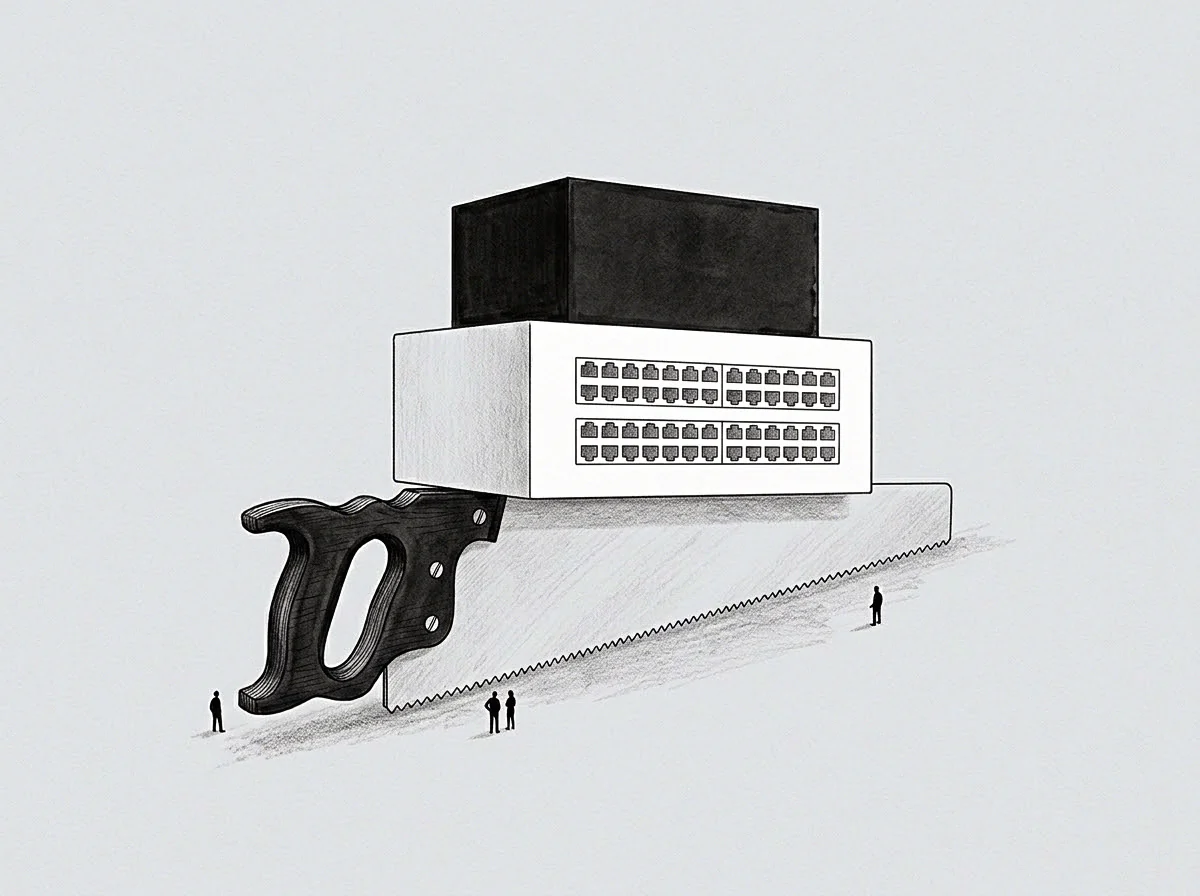
Tracking systems record hours spent on explicit deliverables while informal technical requests remain unmeasured. Quantifying the degradation of operational baseline capacity demands an evaluation framework that incorporates both temporal allocation and functional output variance. The following matrix illustrates how counterparty escalation loops systematically alter baseline parameters across four operational dimensions.
| Escalation State | Attention Allocation | Ordinal Cost Profile | Baseline Capacity Shift |
|---|---|---|---|
| Standard Alignment | Direct Deliverable Focus | Low Administrative Friction | Baseline Operational Output Maintained |
| Unstipulated Clarification Loop | Intermittent Scope Defense | Moderate Context Switching Loss | Ten Percent Redirection of Engineering Hours |
| Formal Dispute Friction | Continuous Documentation Gathering | High Internal Attention Drain | Twenty-Five Percent Reduction in Feature Deployment |
| Structural Escalation Lock | Executive Realignment Meetings | Severe Systemic Exhaustion | Permanent Attenuation of Core System Research |
Ordinal costs accumulate silently. Applying levels of measurement theory to internal capacity shows why cardinal pricing models fail during early escalation stages. Ordinal scales permit clear ordering of operational burdens, showing that ten hours spent on friction resolutions extracts a higher system toll than ten hours spent on system architectural design.
Converting ordinal operational friction into early cardinal figures preserves clarity during long-term contract execution.
Price reflects explicit agreements. Attention moves to dispute resolution. The divergence between contract price and internal operational cost widens over multi-year operational cycles.
When management evaluates performance solely through quarterly financial statements, baseline operational decay remains invisible until project completion dates miss targets by several quarters.
A mandatory change-freeze threshold specified at seventy-two hours of uncontracted alignment converts hidden operational drag into an explicit invoice term.
Drift
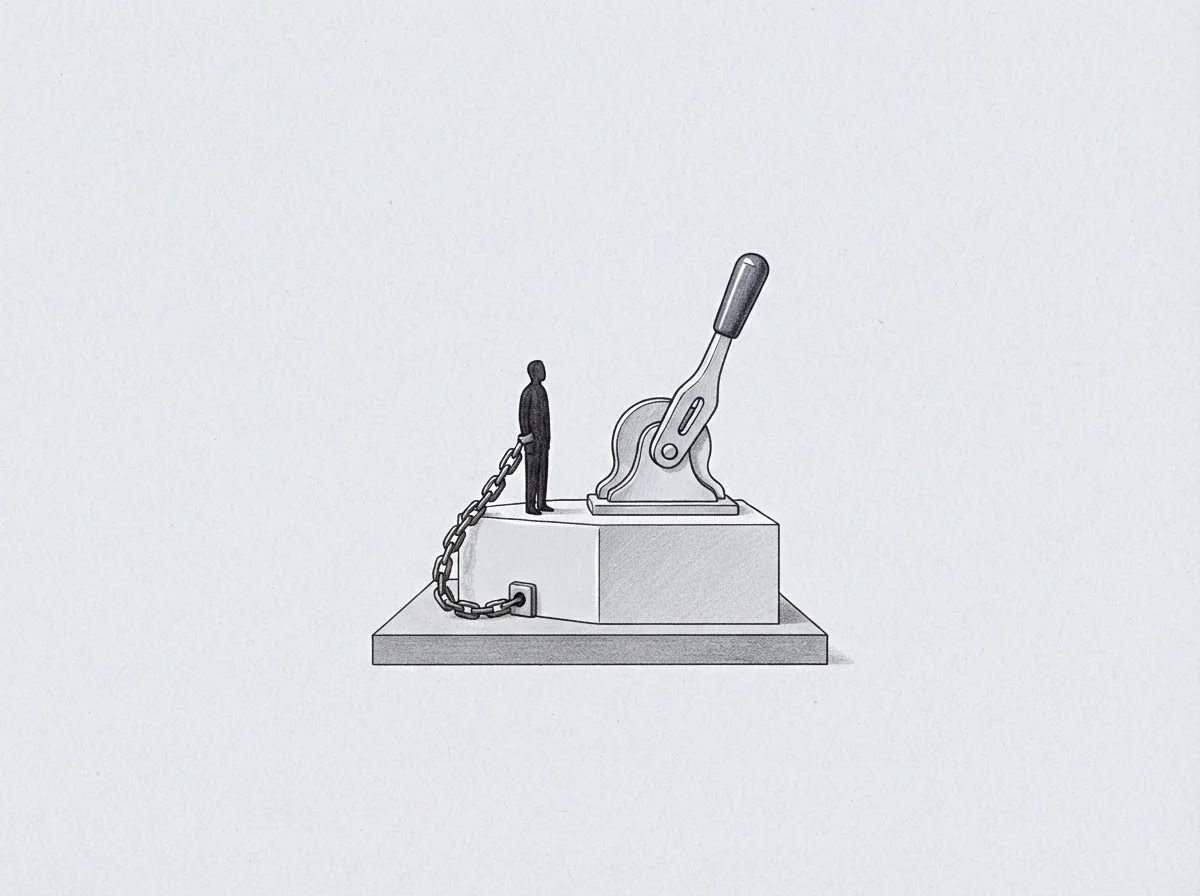
Informal accommodations made in year one become contractual expectations in year three. When an operator repeatedly yields to unstipulated requests, the counterparty registers the concession as a baseline entitlement. The internal team treats the additional work as a temporary surge, expecting a return to normal operational rhythm.
The operational baseline never returns to its initial state. The system adapts to continuous disruption, establishing a diminished baseline capacity as the new operating default.

Transmission of Ordinal Friction into Price
Translating internal ordinal costs into external cardinal prices requires explicit operational boundaries. The operator states the cost early, converting consumed attention hours into formal scope invoices. Leaving ordinal friction unpriced invites continuous escalation from the counterparty.
Unpriced labor creates operational debt. The organization carries this debt until system failure or contract expiration forces a structural reset.
- Operational Attention Allocation tracks the proportion of senior engineering time spent on unbilled clarifying communications versus core software architectural updates over twelve-month evaluation windows.
- Unstipulated Response Latency measures the average hours required to resolve informal scope inquiries raised by counterparty project managers outside formal change control channels.
- Baseline Recovery Threshold defines the minimum consecutive uninterrupted weeks necessary for an engineering unit to restore historical deployment velocity following an extended escalation loop.

When Does Capacity Recovery Flatten Permanently?
Baseline recovery flattens when the frequency of escalation loops exceeds the system’s operational reset rate. Small teams absorb initial friction through personal exertion, working past standard hours to maintain scheduled output. Over multi-year operations, personal exertion reaches physical limits.
Sickness rates increase, key staff resign, and technical documentation degrades. The baseline drops permanently when institutional memory exits the business alongside burned-out operators.
Allowing counterparty response cycles to exceed ten business days shifts internal baseline maintenance into permanent backlog.
Schedules slip without warning. The organization discovers that three years of unstipulated escalation destroyed its internal development engine. Rebuilding that capacity requires significant capital expenditure and years of recruitment, far exceeding the short-term value preserved by avoiding early conflict with the counterparty.
Failing to translate recurring informal resolution cycles into cardinal prices guarantees that internal operational capacity degrades beyond the point of structural recovery.
Margin
Multi-year operational contracts operate under changing environmental assumptions. What appears as a minor administrative concession during year one compounds into a structural bottleneck by year three. Systems default to compliance.
When internal processes prioritize counterparty satisfaction over operational integrity, technical standards relax to meet immediate interpersonal demands.

Structural Accumulation Over Multi Year Timelines
The accumulation of unpriced friction follows a predictable progression across operational lifecycles. Managing this progression requires systematic observation of internal capacity metrics rather than reliance on counterparty feedback.
- Initial informal inquiries receive detailed manual responses without formal tracking or scope evaluation.
- Counterparty increases the frequency of clarifying requests, embedding dedicated internal personnel into continuous support functions.
- Internal development schedules adjust downward to accommodate recurring alignment meetings and ad-hoc documentation requests.
- Technical debt expands as engineering resources move from preventive maintenance to immediate dispute mitigation.
- Permanent operational degradation stabilizes, setting baseline throughput far below contract inception projections.
Physical machinery exhibits material fatigue under continuous unpriced strain, developing micro-fractures that remain invisible until structural failure occurs. Human operational systems exhibit identical mechanics when exposed to persistent counterparty escalation loops. The structural reserve erodes silently while external operational indicators appear stable.
Operational systems optimize for the path of least counterparty resistance when contractual boundaries remain ambiguous.
The operational baseline shifts lower. Organizations that fail to audit their internal capacity vectors regularly accept structural attenuation as normal operating performance. By the end of a multi-year agreement, the organization has lost the functional output required to compete for new commercial contracts.
Unpriced counterparty alignment eventually claims the entire operational reserve.

Clock
Restoring lost baseline capacity requires strict measurement enforcement and formal boundary definition. The operator quantifies historical baseline degradation by comparing current output vectors against pre-escalation performance metrics. This quantification provides the empirical foundation necessary to renegotiate multi-year terms or terminate unprofitable counterparty engagements.
Stating operational costs in explicit temporal and financial units terminates informal escalation loops.

Quantifying Baseline Reset Mechanics
Establishing a capacity baseline requires isolating internal productivity metrics from external communication noise. Management establishes hard boundaries around core engineering hours, prohibiting unbilled counterparty interaction outside designated resolution windows. The baseline shifts upward only when context switching losses drop below critical operational thresholds.
System recovery proceeds slowly, requiring months of disciplined boundary adherence to match historic output rates.
The senior engineer spends the fourth hour of every morning answering clarification queries that do not appear in the statement of work.
The cost of restoring baseline capacity falls on the operating organization. New personnel must learn system architecture, existing workflows must undergo simplification, and counterparty communication channels must undergo formal restructuring. The operator records every hour consumed during this recovery phase, establishing a clear cardinal price for baseline restoration.
Whether an operation can reset its capacity baseline without terminating the underlying counterparty agreement remains an open engineering question.