
Trading Engineering Focus For Short Term Cash Flow
Trading core engineering focus for short term cash flow reallocates technical capacity to custom deliverables, accumulating hidden ordinal architecture costs.

Line
An enterprise client offers a substantial upfront payment on the condition that three specific custom integrations enter the codebase within sixty days. Cash arrives quickly. The immediate transaction stabilizes payroll and extends runway, resolving a pressing cash flow shortfall for the operating quarter.
Inside the engineering organization, this transaction alters how attention and time are distributed across tasks. Capital received from single-client contracts behaves differently from capital earned through standardized platform subscriptions. The contract revenue buys immediate liquidity, but it extracts a payment from the engineering capacity previously assigned to build scalable product components.
Engineering capacity is an ordinal vector composed of focus hours, system familiarity, component modularity, and architectural integrity. When custom feature requests enter the backlog, focus hours shift immediately from core platform design to client-specific logic. The engineering manager reassigns senior developers from refining platform APIs to writing custom data connectors.
Code base complexity grows. The core roadmap stops. The monetary price paid by the customer covers the salary cost of those hours, but it fails to capture the lost momentum of the platform design.
The trade appears cash-positive on financial statements while consuming internal architectural velocity.
An early injection of contract revenue converts general platform engineering into dedicated single-client labor.
Custom additions alter the mental context required to navigate the software codebase. Developers spent two weeks mapping core data flows now split their working shifts between shared platform modules and bespoke client scripts. This context switching imposes cognitive overhead on every subsequent engineering cycle.
Feature velocity drops. The engineering team absorbs the operational weight of supporting single-tenant modifications while attempting to maintain multi-tenant product goals. The customer views the arrangement strictly through the scope of contract delivery, expecting complete adherence to bespoke specifications without regard for platform coherence.
The contract specifies that custom deliverables must take priority over platform releases whenever integration timelines are threatened.
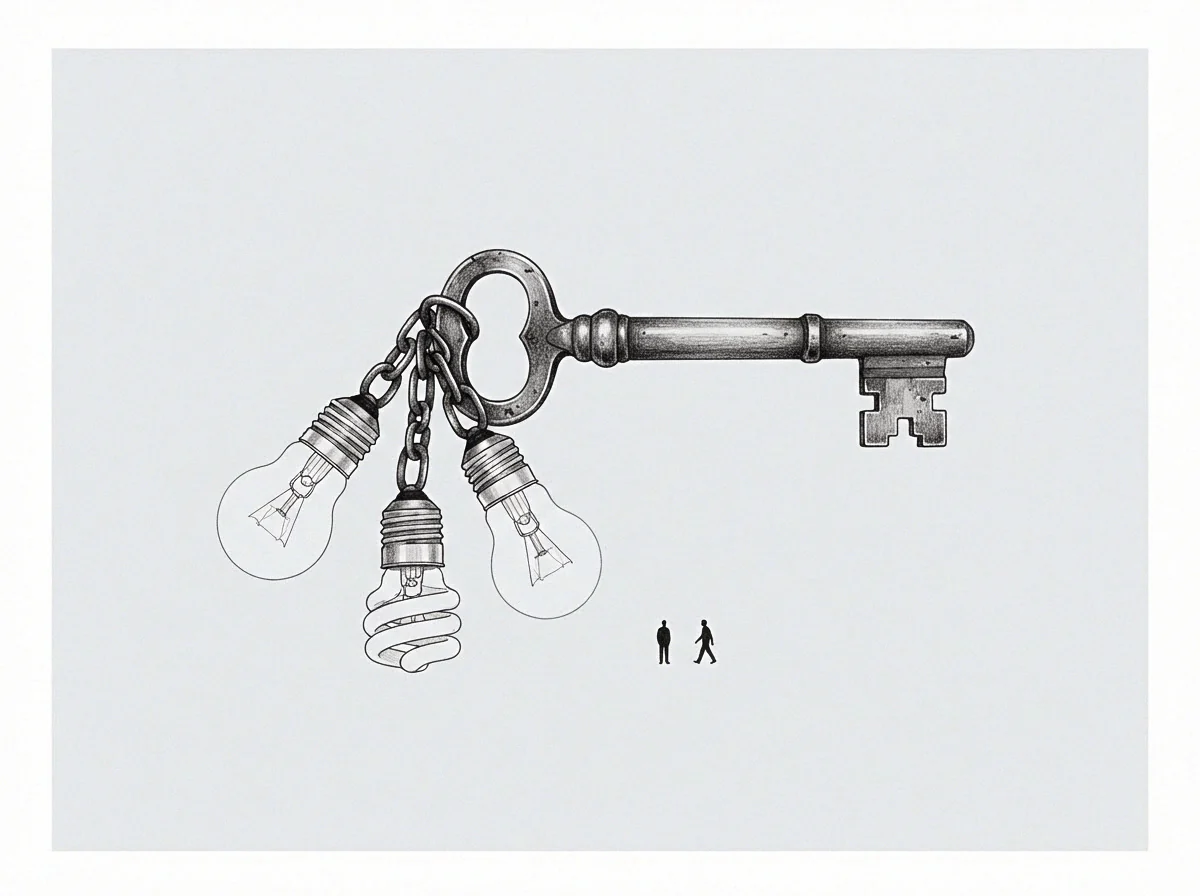
Friction
System complexity accelerates when engineers write conditional blocks to satisfy custom commercial terms. Every bespoke workflow introduced into a shared software repository adds logical branches that every future developer must navigate. Code path branching expands the regression test matrix and multiplies potential failure states during deployments.
Maintenance costs compound exponentially. As bespoke scripts proliferate, standard refactoring routines slow down because modifications to central libraries risk breaking specialized client integrations.
The accumulation of custom engineering work alters the structural properties of the application stack. Engineers encounter secondary system costs when single-client logic bypasses platform conventions. Technical debt accumulates silently.
System architecture degrades. The team spends an increasing proportion of weekly capacity isolating regression failures and verifying client-specific configuration flags. The cost vector shifts from platform expansion toward structural maintenance.
The measurement of this structural degradation requires observing internal development velocity rather than monetary expenditures. Price exists as a cardinal figure on an invoice, whereas engineering friction lives on an ordinal scale of developer capacity, system legibility, and architectural modularity. A platform team carrying six custom enterprise integrations operates under continuous execution resistance.
The primary metric of decay is the time required to complete standard feature modifications across the shared codebase.
When custom conditional logic enters a shared core framework, maintenance work expands across every subsequent release.
The path of least resistance for a team under cash pressure leads to continuous local compromises. Engineers patch custom hooks into core execution loops to hit short-term contract milestones, deferring the isolation of client logic. Over twelve months, these local choices consolidate into structural stiffness.
The codebase becomes fragile, requiring specialized knowledge held by individual developers to deploy updates safely.
- Schema Divergence creates isolated database tables for individual clients, increasing operational load during standard migration scripts.
- Conditional Branching Inflation inserts execution checks into core path logic, slowing standard transaction throughput.
- Deployment Pipeline Fragmentation requires manual build verification for specific enterprise accounts, stretching release timelines.
- Support Ticket Velocity rises as engineers debug client-specific edge cases rather than platform defects.
The structural decay eventually limits the team’s ability to ship core platform enhancements, forcing future sales to rely entirely on offering further custom modifications to new buyers.
Distortion
Financial accounting measures cash receipts in cardinal dollars while masking the ordinal decay of engineering capability. A cash inflow from a specialized consulting contract increases bank balances and improves quarterly burn metrics. Financial reports reflect income while remaining silent on the internal capacity consumed to earn that income.
Income masks operational friction. Revenue growth calculated purely from custom contracts creates an illusion of product-market fit while product development stalls.
Which Metrics Signal Engineering Capability Decay Before Revenue Drops?
Early signals of capability erosion surface inside execution patterns long before revenue metrics register trouble. Lead time for core platform features lengthens as developers spend time navigating legacy custom branches. Automated test suite execution times expand due to complex setup requirements for client specific scenarios.
Pull request review cycles stretch from hours to days because reviewers must verify that shared platform changes do not break enterprise overrides. Engineers leave the team.
The conversion of ordinal internal capacity into cardinal pricing masks structural debt during client negotiations. When quoting a price for custom engineering contracts, founders frequently compute the cost as direct developer hourly wages plus a modest gross margin. This calculation omits the downstream support vector, ongoing maintenance load, and lost opportunity cost of delayed platform features.
The price stated to the customer represents a small fraction of the true systemic cost borne by the platform over its operational lifecycle.
A rising cash balance coupled with falling deployment frequency signals structural capability decay before financial statements show damage.
The structural gap between reported financial performance and internal technical capability widens with each custom deal closed. Operating leadership reads cash growth as validation of strategy, double-down on customized sales cycles, and requests further architecture adaptations. Meanwhile, the core engineering team spends its energy holding together an increasingly fragmented system platform.
How long can an organization sustain contract cash flow while its underlying product platform loses market competitiveness?
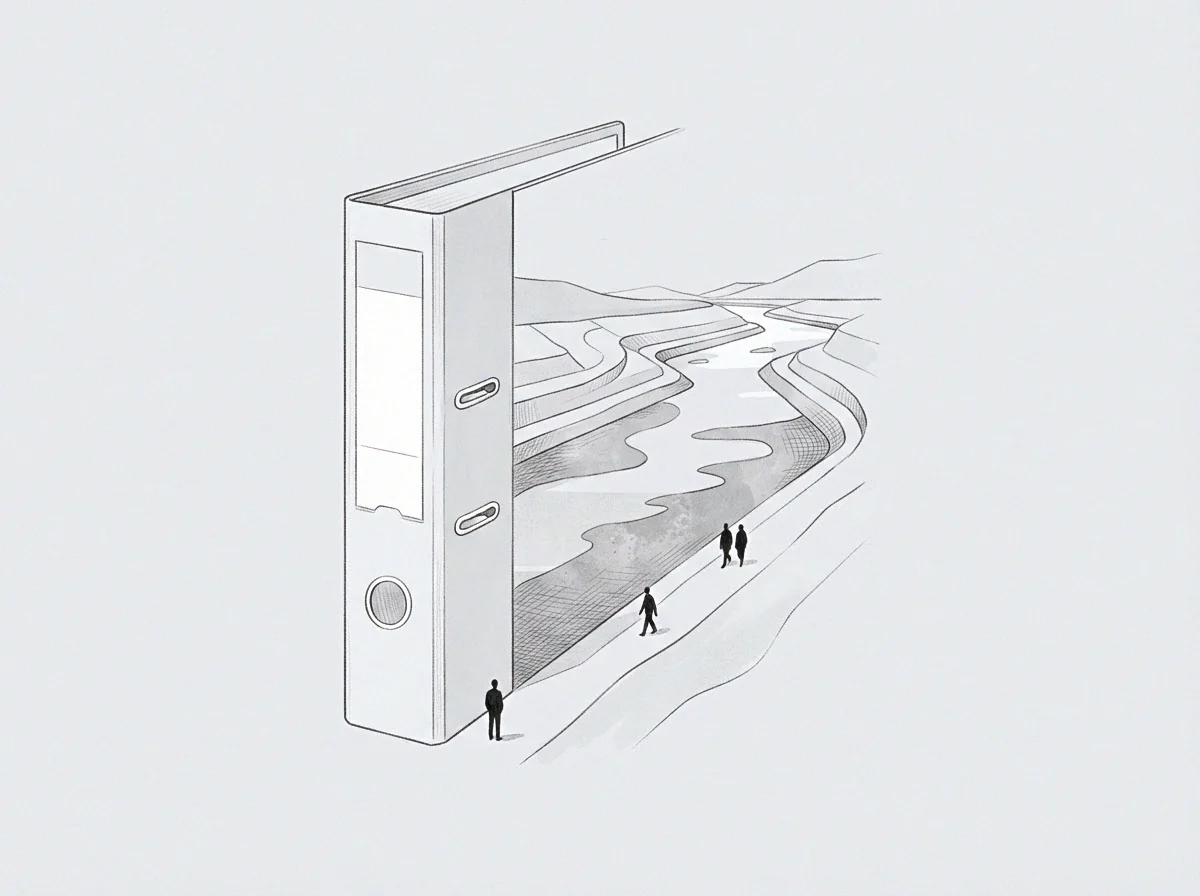
Split
Consider two software organizations operating over a twenty-four-month evaluation window with equal initial capital. Company A maintains total commitment to platform standardization, declining non-standard enterprise feature requests to preserve internal engineering focus. Company B accepts custom engineering contracts to generate immediate revenue, allocating forty percent of developer hours to bespoke enterprise implementations.
Assume both organizations start with identical five-person engineering teams building cloud infrastructure tools.
Company B achieves early cash self-sufficiency by closing three large enterprise deals in the first six months, generating substantial cash reserves. Company A relies on modest initial self-serve revenue, experiencing tight cash constraints while focusing exclusively on core platform refinement. By month twelve, Company B’s codebase contains three distinct customer-specific branches and forty-two conditional feature flags embedded in core services.
Release cadences slow down. Company B’s senior engineers spend sixty percent of their time debugging integration failures and managing manual deployments for those three enterprise clients.
By month twenty-four, Company A ships automated self-serve platform upgrades weekly, onboarding hundreds of standard accounts with zero manual intervention. Company B requires dedicated engineering oversight for every client onboarding, spending its cash reserves on support staff to maintain custom installations. Company A achieves exponential scale through technical leverage, while Company B operates as a specialized software agency with low profit margins and high developer turnover.
| Dimension | Platform Pure Model | Contract Mixed Model |
|---|---|---|
| Release Cadence | Weekly automated deployments | Bi-monthly manual cycles |
| Codebase Divergence | Single mainline branch | Multiple tenant forks |
| Engineering Turnover | Ten percent annually | Thirty-five percent annually |
| Onboarding Time | Two weeks to first commit | Eight weeks to system context |
The contract agreement executed with enterprise customers contains a mandatory service level clause that binds engineering hours to client incident remediation over platform bug fixes.

Vector
Protecting platform architecture while taking commercial revenue requires strict governance of client commitments. Operational isolation of bespoke code paths prevents single-tenant modifications from polluting shared libraries. If an enterprise deal demands unique functionality, the implementation belongs inside an external service or API plugin layer maintained separately from core repositories.
Technical debt remains bounded when single-tenant logic stays decoupled from shared execution pipelines.
Calculating the true vector of a custom contract requires assessing its multi-attribute impact across capacity, capability, and focus. Operating leaders must measure contract proposals against three strict governance steps before committing engineering resources.
- Establish a strict capacity limit for enterprise custom contract work relative to total engineering hours.
- Price non-standard architectural modifications at multiples of direct engineering expense to compensate for ongoing maintenance load.
- Enforce strict boundary interfaces that keep enterprise modifications inside external plugins rather than core code repositories.
Isolating contract modifications within ephemeral external plugins protects the platform architecture from permanent divergence.
The trade between engineering focus and immediate revenue remains viable only when custom work generates reusable platform infrastructure. When bespoke contract requirements align directly with planned core roadmap items, contract revenue accelerates platform development instead of distorting it. The decision to accept custom revenue must hinge on whether the output increases general platform capability or produces isolated single-client artifacts.
A contract accepted at five times direct developer cost protects the business against hidden long-term platform degradation.