Meaning
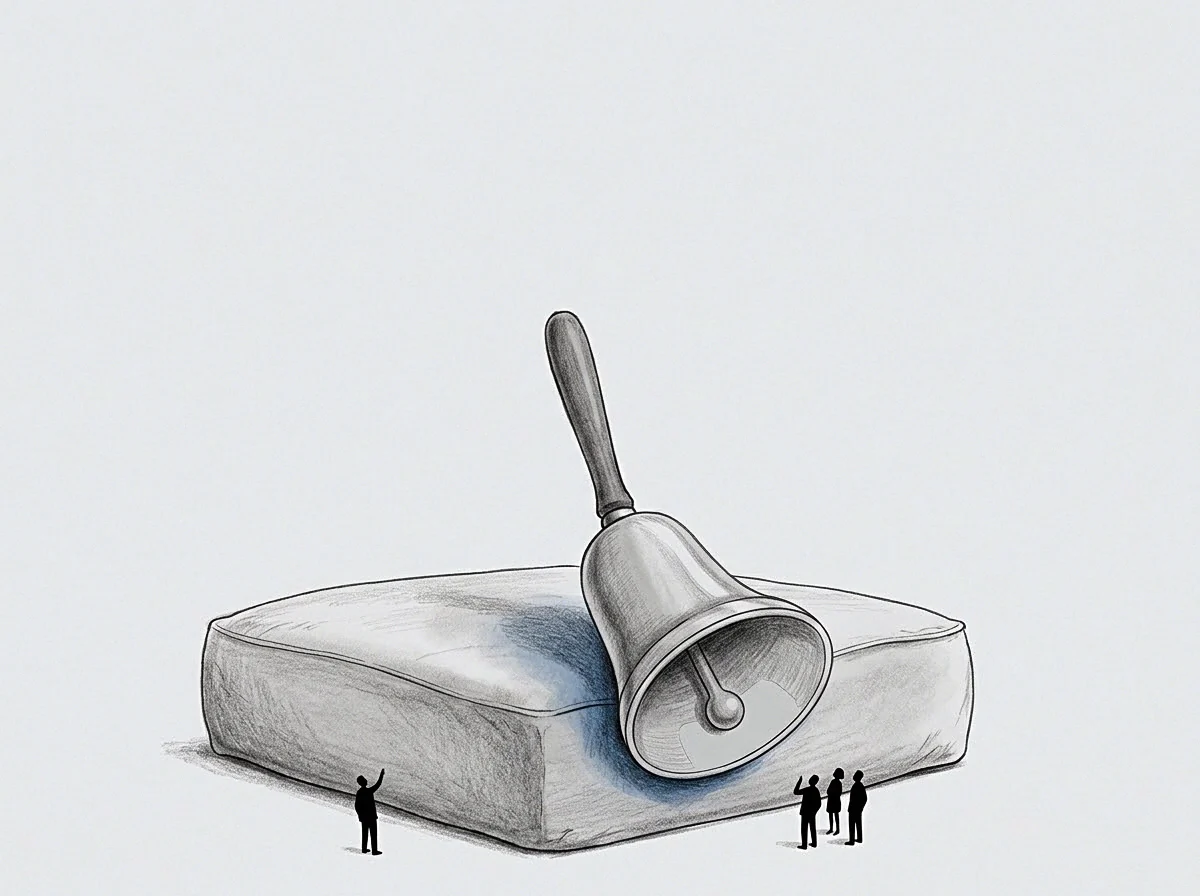
Spatial or temporal distance maintained relative to a recurring operational demand marks a systematic behavioural baseline. This directional shift forms an avoidance gradient, which measures the progressive increase in friction or evasion exhibited as proximity to an unaddressed obligation narrows. The metric occupies an ordinal scale of reluctance, tracking the diversion of personal hours and capacity away from high-friction tasks.
It stops applying once an obligation is formally renegotiated, delegated or erased from the executive remit.
Friction Acceleration
Resistance intensifies nonlinearly as the deadline or surface of contact approaches. An avoidance gradient captures how non-urgent tasks are systematically substituted for structural obligations as encounter thresholds draw near. Founders display this trajectory by completing administrative trivia while delaying essential capital or structural conversations.
The observed vector defines an unstated preference order.
Energy Expenditure
Sidestepping an acute conflict consumes measurable executive attention while producing zero external movement. Operating under a steep avoidance gradient extracts a compounding cost in emotional and cognitive energy, because suppression demands ongoing vigilance against incoming reminders. Unresolved tension consumes more sustained endurance than direct settlement.
Deferral always runs an invisible ledger of personal fatigue.
Resolution Threshold
Confronting the source of aversion resets the behavioral vector to neutral once the friction barrier is breached. The underlying avoidance gradient collapses immediately when an explicit operational decision removes ambiguity surrounding the avoided duty. Neutrality returns only through absolute completion or definitive abandonment of the mandate.