Meaning
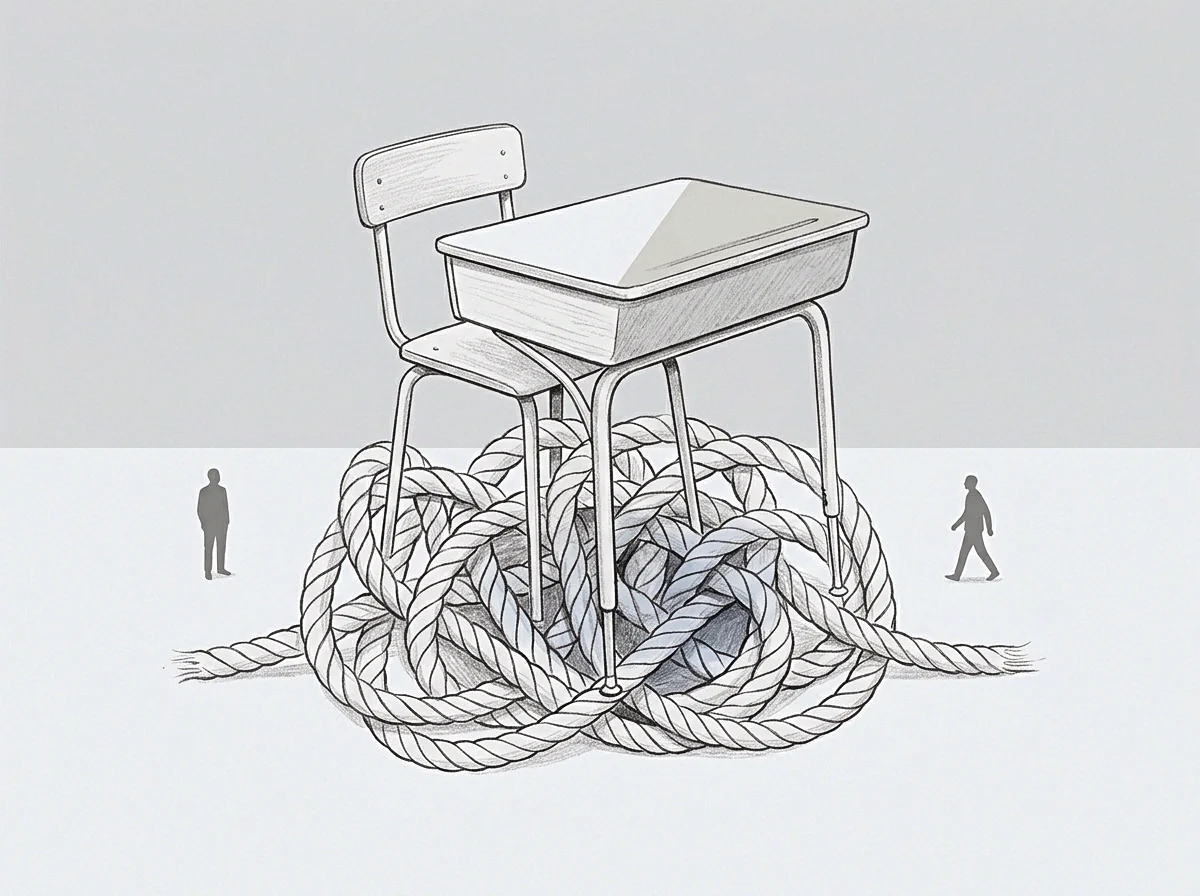
Recurring behavioral sequences bypass necessary confrontations or decisions within an organizational structure. These avoidance patterns often appear as secondary workflows that grow around unresolved conflicts or technical debt. Such a sequence creates a shadow process where the primary objective is the maintenance of internal comfort rather than the achievement of the stated goal.
The boundary of this behavior is reached when the cost of bypassing the issue exceeds the energy required to address the primary failure.
Behavioral Sequence
Observation of routine stalling or misdirection identifies these sequences as they occur in decision meetings or resource allocation cycles. Once avoidance patterns become ingrained, the individual or team automatically routes attention toward low stakes activity to mimic progress. This diversion drains the finite attention capacity of the leadership group.
Structural Impact
Long term reliance on these methods weakens the formal reporting structure. The presence of avoidance patterns necessitates the creation of informal connections between departments that should communicate directly. These links are brittle and lack the accountability of a standard operational procedure.
Correction Limit
Recovery from a state of habitual bypass requires a reset of the feedback loop. While avoidance patterns provide short term relief, the eventual confrontation with reality is usually more severe. Success depends on the ability to name the bypass as it happens.
Naming the behavior stops the cycle.