Meaning
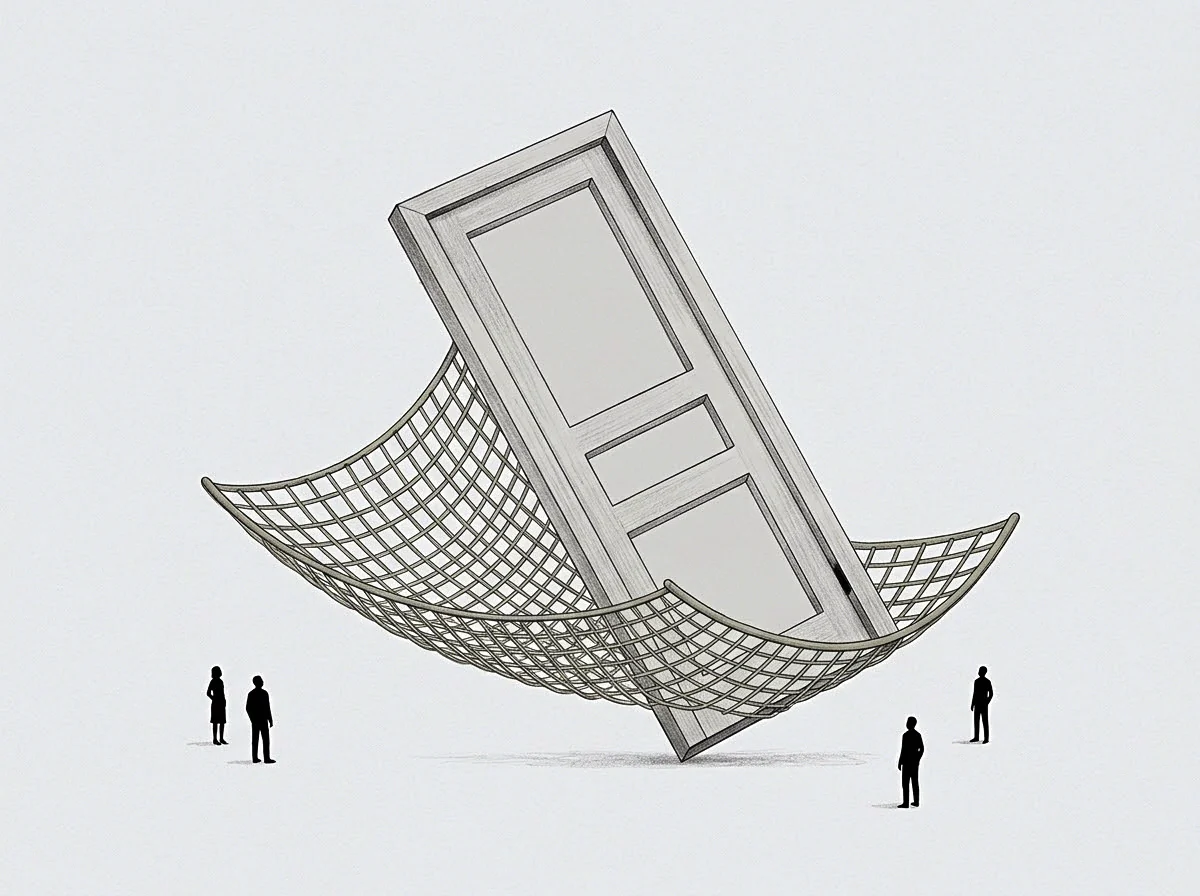
Directional force slows or opposes the forward momentum of a project or organization. Identifying the drag vector involves measuring the friction points that consume energy without contributing to the final output. This force acts as a counterweight to the primary thrust of the strategy.
It is calculated by the difference between the theoretical speed of a process and the actual recorded speed.
Friction Point
Operational inefficiencies often cluster in areas where human approval and automated processes intersect. A drag vector becomes visible when a simple task requires multiple handoffs across different departments. This intersection is the site of most energy loss in a growing firm and requires a change in the communication map.
Removing the bottleneck restores the flow.
Inertia Measurement
Constant monitoring of the slowdown allows for the identification of systemic rot. If the drag vector increases despite higher funding, the issue likely resides in the culture or the legacy technology stack. High inertia suggests that the organization is optimized for a past environment.
Counteracting Action
Reducing the opposing force is often more effective than increasing the drive. Removing the drag vector simplifies the path for the remaining resources. Direct action clears the way and lowers the overall energy cost of the operation.