Meaning
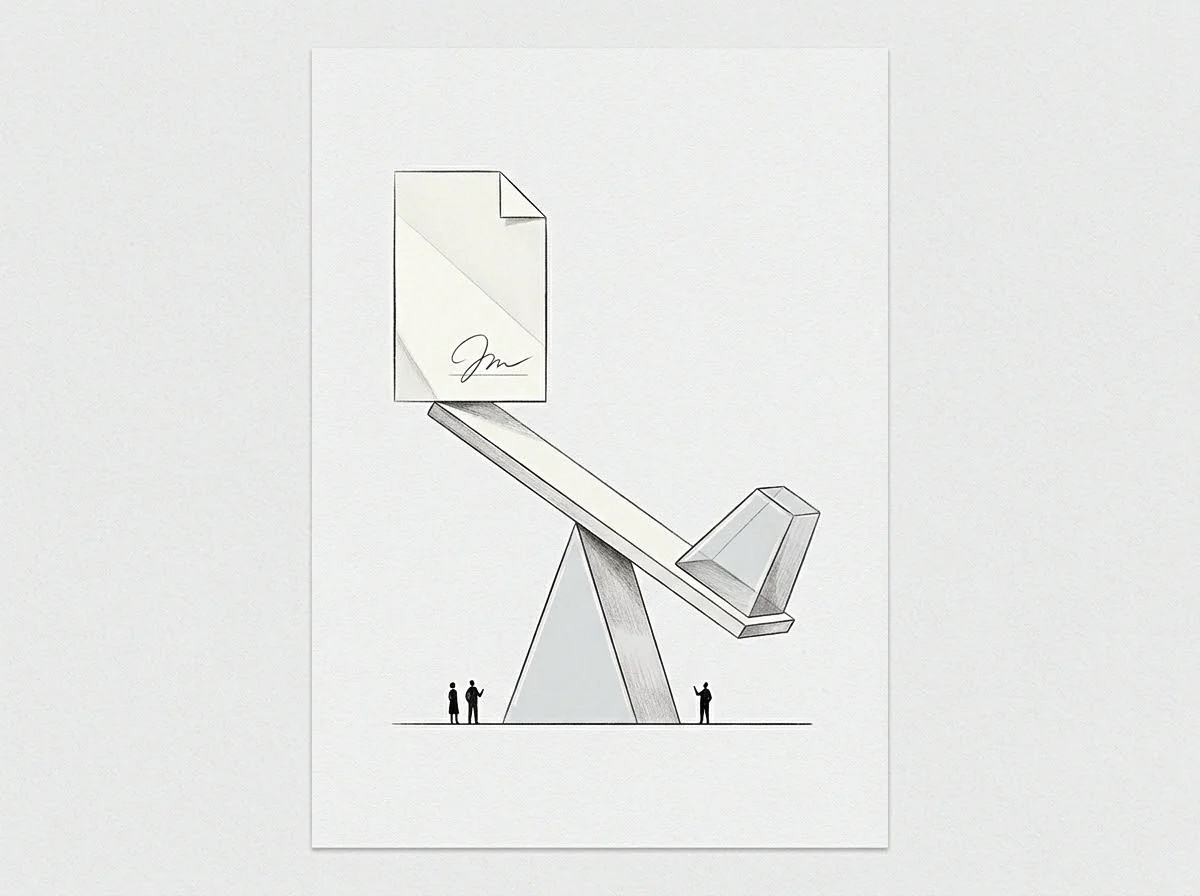
A strategic reservation technique ensures that critical resources remain available for high-value demand during periods of peak utilisation. Implementing capacity protection helps organizations avoid the total exhaustion of shared infrastructure or staff hours by setting aside a dedicated buffer. This buffer prevents lower-tier requests from consuming the entire operational bandwidth.
Allocation Threshold
Defining the specific boundary where reservation begins is necessary for maintaining service levels across different user tiers. When demand exceeds typical limits, the system dynamically restricts access for non-essential tasks to maintain the capacity protection margin. In practice, this requires a continuous monitoring of service requests and resource consumption to prevent premature triggering of the reservation rules.
Operational Friction
Introducing resource reservation often introduces some resistance into the daily workflow of secondary teams. Their scheduled tasks may experience delays when capacity protection is active, which can lead to temporary backlogs in peripheral projects. Managing these backlogs requires a clear understanding of the trade-off between baseline operations and high-priority emergencies.
Value Preservation
Protecting resources directly stabilizes the economic value generated by a business during crisis events. High-value clients receive uninterrupted service, while lower-priority commitments are paused or slowed down. This prioritization prevents the system from failing entirely, ensuring that the highest margin activities continue to function normally even under severe stress.
Leaders who use this method focus on preserving trust with their most critical partners, since failing to deliver to these accounts holds a much greater cost than delaying routine internal work.