Meaning
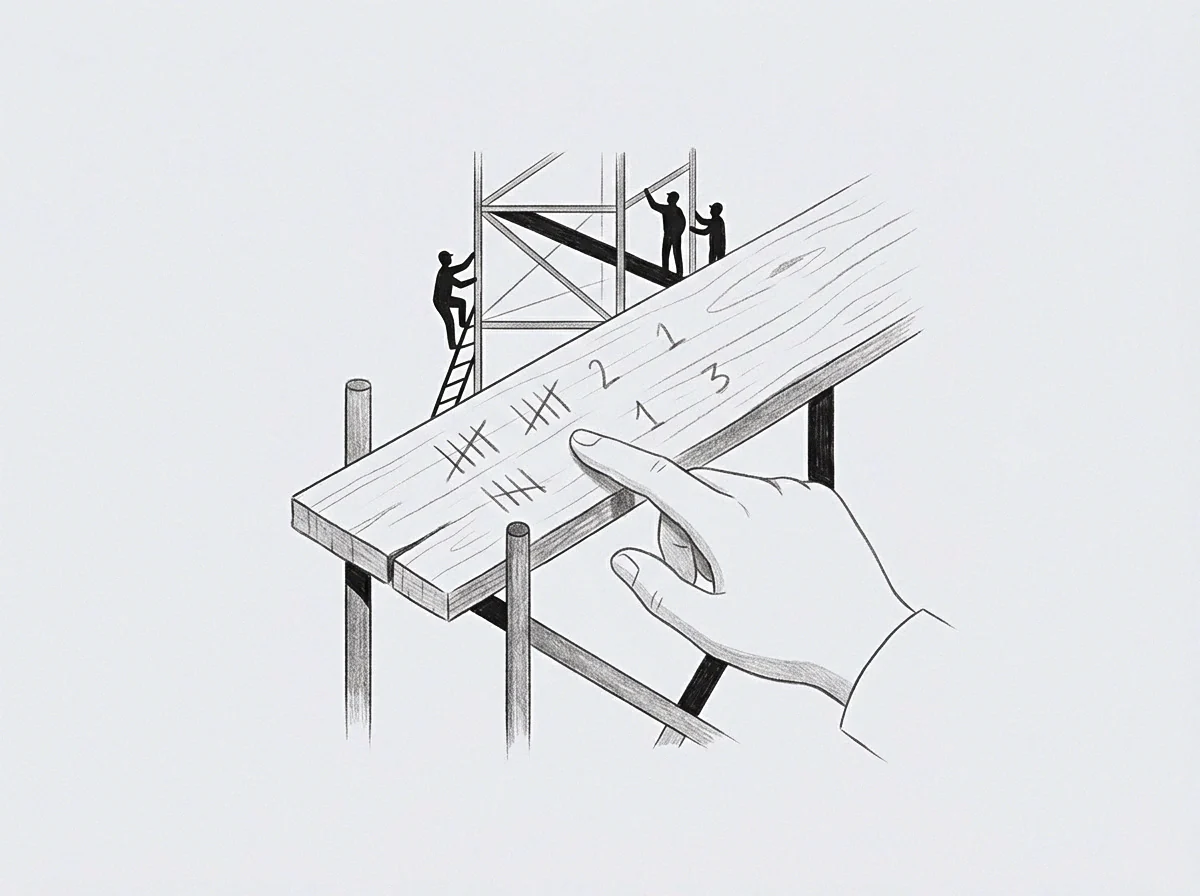
Temporal reduction functions measure the speed at which signal strength or capital value diminishes across successive evaluation intervals. Observing decay rate allows former founders to project when active maintenance must intervene before baseline capacity collapses. The metric applies directly to customer retention models, software asset depreciation and institutional memory retention.
High rates of decay indicate rapid structural degradation requiring continuous resource injection.
Half Life
Exponential degradation curves define the precise duration required for a baseline quantity to reduce to fifty percent of its initial value. Tracking half life values simplifies forecasting models across long operational horizons.
Depreciation Velocity
Loss of structural functional capability accelerates when system maintenance routines fall below critical threshold frequencies. Operational analysis measures the slope of value loss across weekly or monthly observation windows. The calculation divides the change in baseline capability by the total elapsed time between measurement points.
Mathematical models fit exponential or logarithmic curves to these data points to extract the underlying decay rate coefficient. If external disruption alters system usage patterns, the velocity curve shifts, requiring updated model parameters.
Maintenance Requirement
Minimum reinvestment inputs offset natural systemic erosion to maintain functional stability. Comparing capital injection against asset degradation establishes the equilibrium threshold for sustainable operations.