Meaning
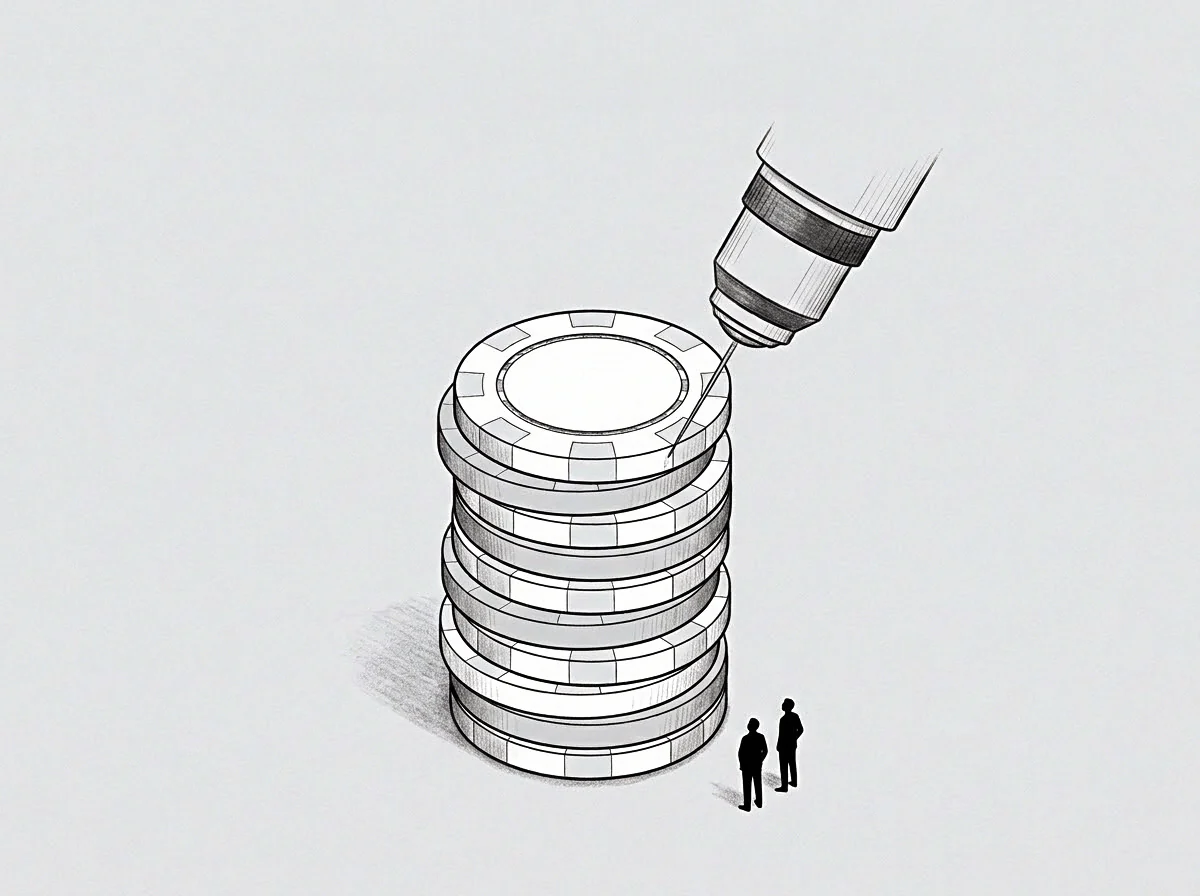
Total cost in time, energy, and currency required to complete an exchange beyond the actual price of the asset reduces the net value of a trade. High transaction overhead can make an otherwise profitable move unviable. This friction is a key consideration when planning the movement of capital or the sale of assets.
Friction Component
Specific elements that contribute to the extra cost include legal fees, brokerage commissions and the time spent on negotiation. When transaction overhead is calculated, every minute of attention from the founder must be included as a cost. These invisible expenses often add up to a significant percentage of the total deal value.
Reducing this friction is a primary goal for any entity looking to increase its operational efficiency.
Net Yield
Actual gain from a transaction is found by subtracting all overhead from the gross proceeds. If the transaction overhead is higher than the expected profit, the move should be avoided. This simple calculation provides a hard limit for any proposed exchange or reallocation.
Efficiency Limit
Boundary of the concept is reached when the cost of making a change is exactly equal to the benefit it provides. At this point, the system is in a state of paralysis where no move can be justified on a cost-benefit basis. This state indicates a need for a structural change to reduce the friction within the organization.