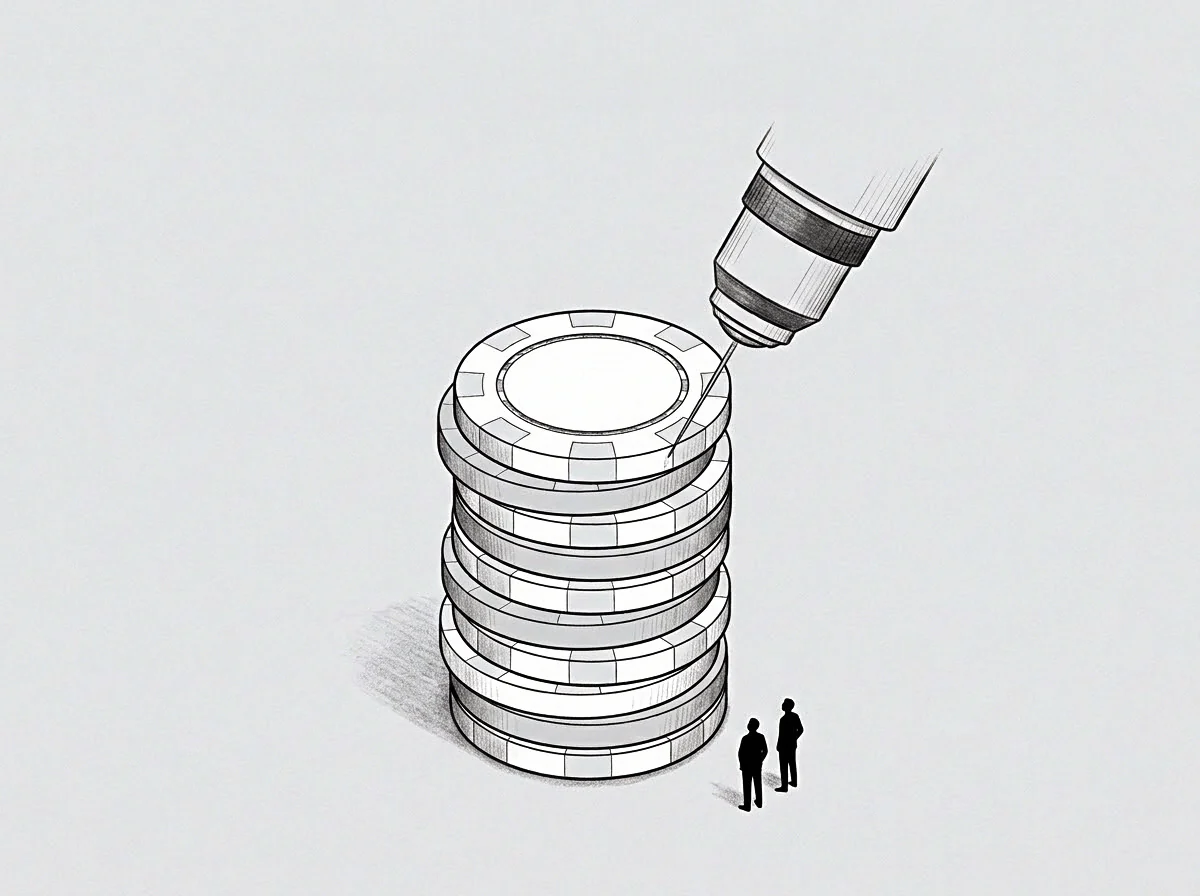
Meaning
Percentage-based reduction in the surplus generated by business operations indicates a loss of structural efficiency. This enterprise margin deterioration typically stems from a rise in overhead that outpaces the growth of gross income.
Complexity Tax
Organizational growth often introduces new layers of management and coordination that do not produce direct value. Such enterprise margin deterioration happens when the cost of communicating across a large team exceeds the benefits of the extra labor. Simplification of reporting lines can sometimes arrest this decline.
Price Pressure
Market saturation or increased competition can force a firm to lower its rates while internal costs remain high. This form of enterprise margin deterioration is harder to fix because it depends on external forces. Maintaining a unique value proposition is the standard response to this downward pressure.
A company that cannot differentiate itself becomes a commodity subject to the whims of the buyer.
Operational Audit
Identifying the specific leaks in a financial model requires a granular look at unit economics. When enterprise margin deterioration is detected, the first step is often a freeze on non-essential spending. Long term survival depends on keeping the gap between cost and price wide enough to weather market shifts.